Furry Little Demons

It was in 1924 that the Bureau of Biological Survey, precursor to the US Fish and Wildlife Agency, responded to a request from local sheep farmers in Kern County, California and set out to eliminate coyotes and other predators from the area. The campaign, which sounded like a much better idea in 1924 than it does a century later, was a success, but it came at a cost.

According to the West Kern Oil Museum, the cost was the most epic house mouse infestation in US history. To be fair to the Bureau, Harvard mouse researchers have since drawn the conclusion that it might not have been entirely their fault. It turns out that a few dry years plus a dry lake bed planted with wheat, barley, corn, and cotton plus one of the most wildly successful invasive pest species in the world plus a torrential rain equals 100 million mice. 

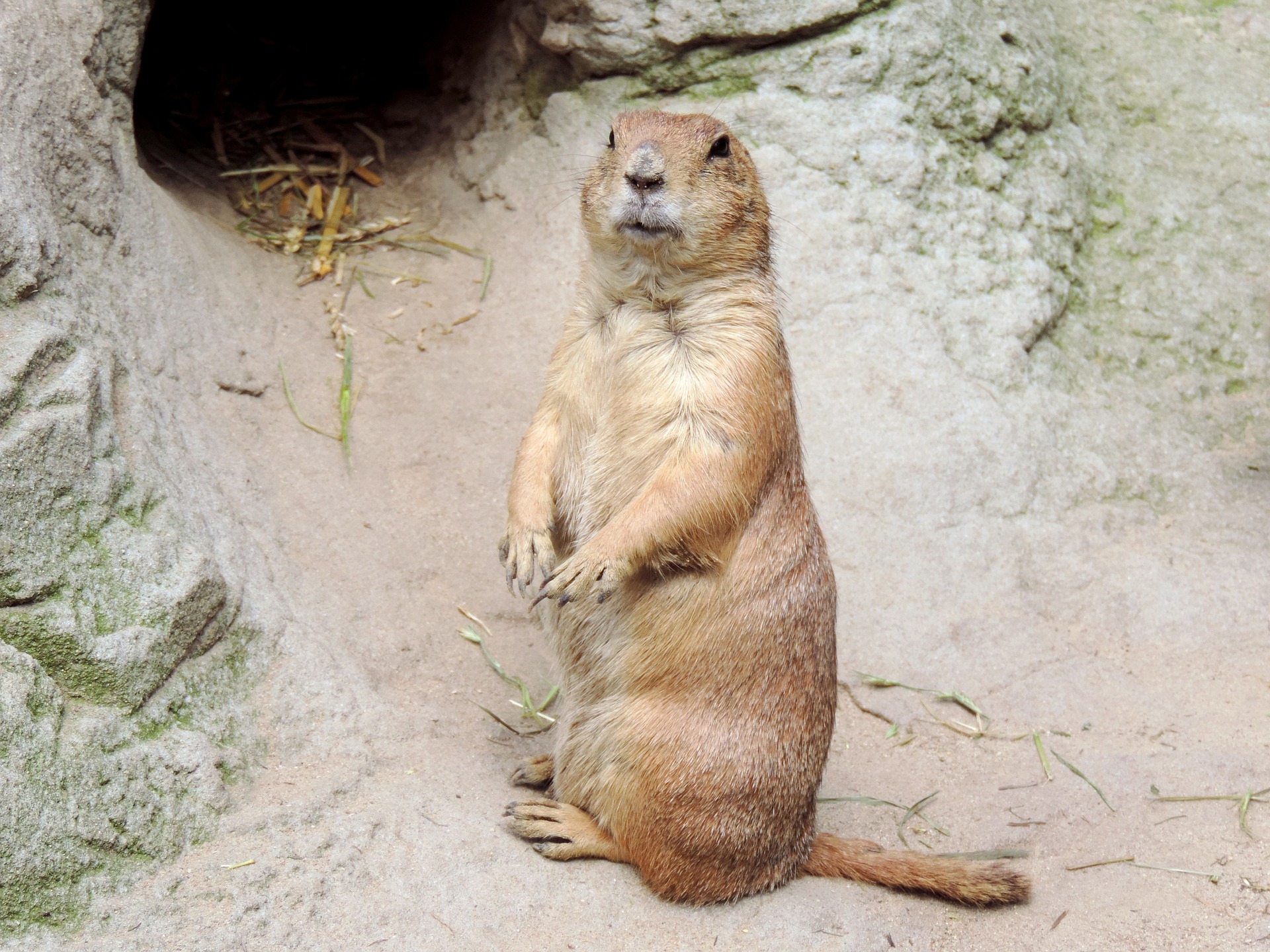
Such a ridiculously cute furry little demon. Image by Alexa from Pixabay

Admittedly the number might have been a little smaller if there’d still been a few coyotes skulking about, but once you reach a million or so mice, I’m not sure it’s worth quibbling over the thousands a healthy coyote population might consume.

Oil companies close to the source of the outbreak did attempt to control the problem, digging long trenches filled with poison-laced grain, but it wasn’t long before the horde, fleeing their now flooded lake bed home, made their way to the nearby town of Taft, where residents set as many traps as they could and the house cats ate to bursting. But it was no good. They were at war. And they were losing.

I can sympathize, because as I mentioned in my last post, we recently bought some land in the country with a house that needs a little work. The house sat on the market for about a year before we found it, and the previous owners had long since moved out. We weren’t ready to move in just yet, as our son was finishing his senior year in high school and I was working in our current town. That was fine for us, because we had quite a few renovation ideas anyway and that gave us time to work on them. 

But what that means is that now for at least a year-and a-half, the house has been unoccupied except for the occasional night between shifts when my husband might sleep there or when we might stay a night or two working on projects. 

The mice have moved in. We are at war. And at the moment, it feels like we’re losing. 

Each time I’m at the house now, I set traps and catch a few. Yes, we do have a contract with a pest control company that has treated the home for insect infestations, eliminating our previously significant wasp problem, set up a termite monitoring system, and provided us with a rodent-fighting defense system, but I think we must have had a pretty good population of the little critters living, and unfortunately also dying and stinking, in our walls already. 

It seems so simple. I’m not sure what we’re doing wrong.

At this point, I’m ready to call in the Pied Piper.

That is what the people of Kern County did. Once again they appealed to the Bureau of Biological Survey, which in January of 1927, sent in an agent named Stanley Piper, because if you happen to have a Piper on staff in that situation, I don’t think you really have any choice. 

Piper pulled out the big guns and got to work poisoning the mice, though he also just kind of got lucky, because environmental conditions shifted, as they do, predatory birds moved back into the area, probably drawn by the horrendous smell of a great deal of prey, and the house mouse population soon fell to tolerable levels.

I’m hoping that will be our experience, too. I’m hoping that once we are in the house on a more regular basis, setting traps and making noise with our scary predator-smelling dog in tow, maybe we’ll win a few battles, and eventually the war.

I’m fairly certain we do at least have plenty of coyotes.

Don’t Call it a Comeback

Hello blogosphere! I know it’s been a hot minute since I appeared in this space. It turned out I needed the break. I also have had less time to write as I spent the last school year working full-time at a middle school where I learned to use phrases like “it’s been a hot minute.” I had a great year and would happily return for another, but life is shifting again, as it does. 

For well over a year now, my husband has been dealing with a long commute for a job that he loves. With our youngest son’s graduation from high school this spring, we’ve been looking to escape the bustling suburb that has been our home for more than a decade, searching for more land, a smaller house, and a shorter drive.

I’m pleased to report that we found all three, but as his route to work is shortening, mine is lengthening too much for my position to be practical. And that’s okay, because now, in between renovation projects on our new kind of weird house that sits on the pretty much perfect land, I can spend more time writing again.

Because when I see a majestic creature like this, the first thing I think is that it sure would look good in a hat. Minette Layne from Seattle, Washington, USA, CC BY 2.0 https://creativecommons.org/licenses/by/2.0, via Wikimedia Commons

I’m excited to be back. I’ve missed this sharing of vaguely historical and occasionally hysterical tidbits, kind of like one misses the hottest trends of their childhood. I’m seriously at least as excited as I would be if celebrities suddenly started wearing acid wash jeans again, we all decided to walk like an Egyptian, or whales donned dead salmon hats

Okay, so you may not have been entirely hip to Orca culture of the late 1980s like I have recently pretended to be, but yes, apparently, there was a brief window of time in 1987 when trendy killer whales, particularly those who frequented the Puget Sound, placed jaunty dead fish on their enormous heads.

Why they did this researchers aren’t sure, but then acid wash jeans didn’t make a lot of sense either. Some suggest it was a clever way to save some food for later during times of abundance. Orcas have been known to swim with large chunks of food tucked under a fin, a mode of transportation that isn’t terribly practical for a relatively small fish like a salmon. That fits much better as a hat. 

Or it could just be a playful fashion statement that this year has seen a little bit of a comeback. It’s definitely not as wide-spread as it was in 1987, but then I suppose the retro look isn’t for everyone. 

In case you want to dress like a fashionable Orca, Amazon has you covered.

Still, there have been a few instances over the past several months of Orcas once again sporting dead fish hats, enough to get some in the whale fashion industry to declare it a hot trend of the season, similar to the boat rudder disabling challenge that cropped up a couple years ago or the orca kelp massage fad surging right now, that is surely the result of a whale lifestyle influencer.

And why not bring back a little bit of fun, like a silly hat in a great big briny sea, or one more hopefully amusing, poorly researched, sort-of history blog written by a real human being drifting in a metaphorical sea of the artificially intelligent web.

I mean, I’m not walking like an Egyptian, but I am pretty excited to be back.

Song of the Cicadas

On April 15, 1791, the first of four stones marking the corners of the Federal District in Washington DC was laid by surveyor George Ellicott and his team, which included brilliant mathematician, astronomer, tobacco farmer, and free-born Black man Benjamin Banneker.

A representation of Benjamin Banneker, who for the next few weeks will be known primarily as the naturalist who documented the seventeen-year brood cycle.
PBS: http://www.pbs.org/
wgbh/aia/part2/2h68b.html, Public domain, via Wikimedia Commons

Banneker is known in the history books not only for his role in the laying out of Washington DC, but also as the man who compiled one of the earliest American almanacs. He provided a copy to then Secretary of State Thomas Jefferson as a counter to Jefferson’s assessment that Black men did not possess the mental capacity of white men. Throughout Banneker’s life he did what he could to fight this unjust assumption and advocate for freedom.

There’s a lot of big and important stuff Banneker should be remembered and celebrated for, but today I find myself only wanting to really talk about one of them—a topic that is at the forefront of the thoughts and conversations of millions of people in my corner of the world. Because according to Morgan State University researchers Asamoah Nkwanta and Janet Barber, Banneker is also one of the first people to have calculated and recorded the seventeen-year life cycle of the periodic cicada.

I admit that among insects that I give regular thought to, cicadas usually rank pretty low, somewhere way behind mosquitoes, ticks, and the carpenter bees that try to eat my deck every year. Recently, though, cicadas have claimed the top spot. I’m not alone, either, because the most frequent Google search topic over the last week in Missouri has been cicadas.

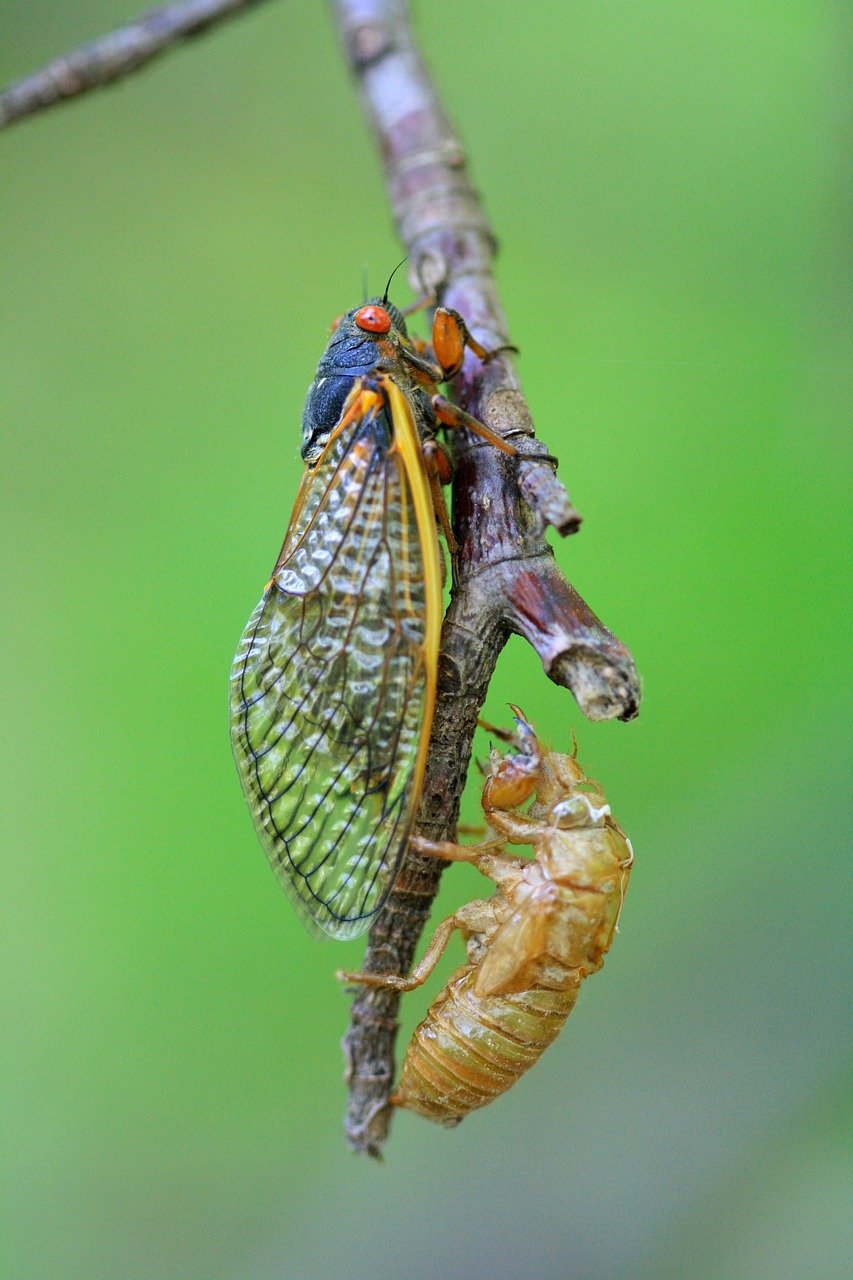
That’s because we make up part of the map covering two large broods of periodic cicadas. To give some context to that, there are some different varieties of this particular insect. One lives out its mating ritual for a few weeks every summer, molting and abandoning its creepy exoskeletons on tree trunks so that big brothers can stick them to the tee shirt backs of unsuspecting little sisters throughout the Midwest.

Top Google searches make great blog topics. Image by Ashlee Marie from Pixabay

Then there are the periodic variety that emerge from the ground to spend a few weeks molting and singing and mating every thirteen or seventeen years. This year, there are two large broods of periodic cicadas singing their way through Missouri’s trees. These particular broods have not been seen at the same time since 1803 and it will be another 221 years before it happens again. There are allegedly billions of them in the state right now. I believe it.

Their high pitched buzz, which peaks between 10 AM and 6 PM every day, was kind of pleasant at first, but has grown into an ever-present eerie drone still audible over the car radio and in every corner of my house. They drop onto sidewalks, hurl themselves into innocent passers by, cling to every rough surface they can find, and people on my social media feeds keep sharing cicada recipes as if I am going to start eating them. I assure you I am not.

Benjamin Banneker didn’t quite know what to make of the periodic cicadas the first time he encountered them either, and didn’t have the luxury of Googling for information. When he was seventeen, a large brood emerged in his corner of the world in rural Maryland. He initially thought they were locusts that would destroy the family’s tobacco harvest. He waged a fruitless war against them before coming to the conclusion that not only was he fighting a losing battle, but that the insects really weren’t doing much harm. And then, because he was a much better observer and record keeper than I am, he eventually mapped out their extremely extended life-cycle.

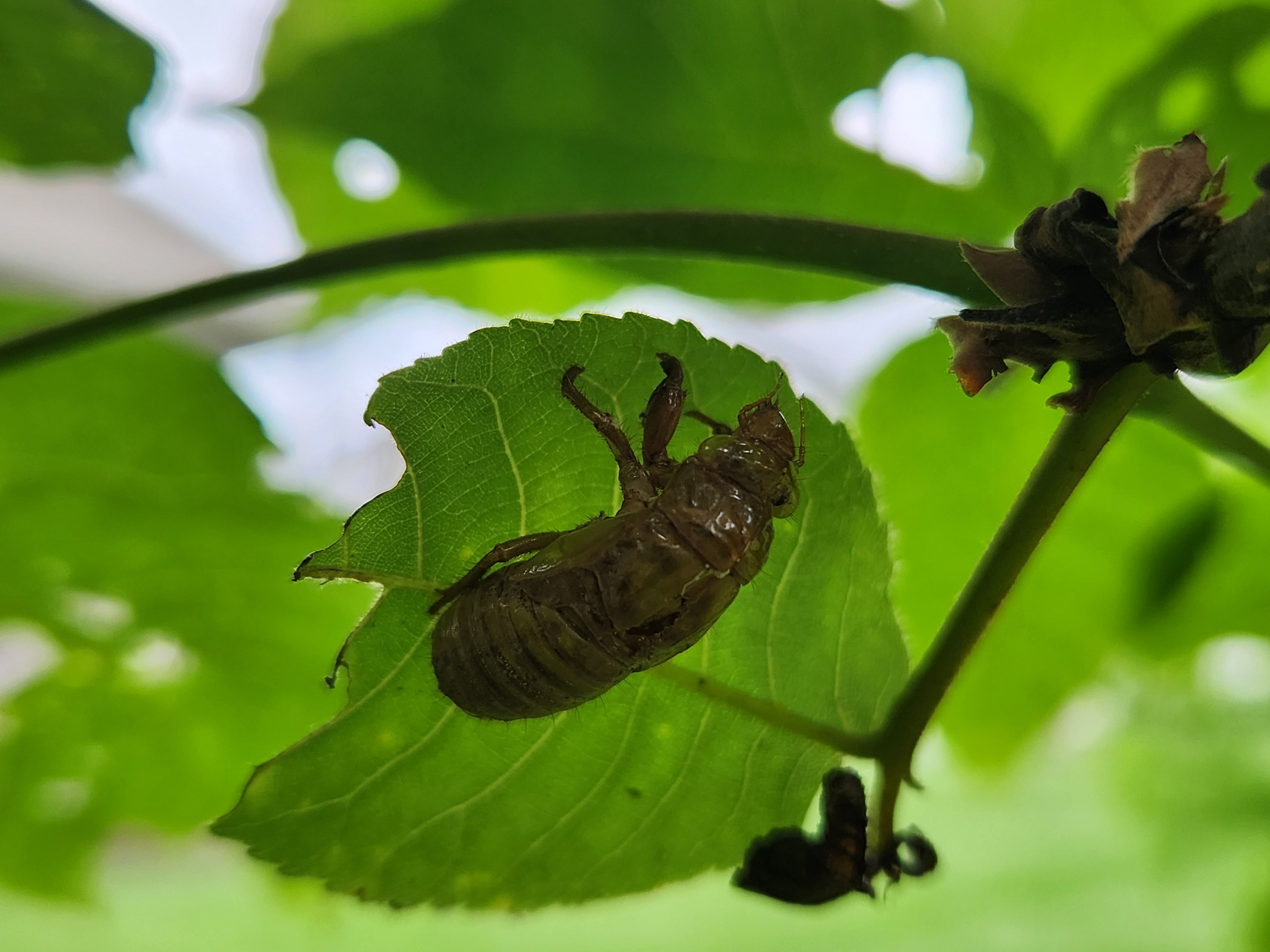
This is pretty much what the underside of every leaf in my yard looks like right now.

Our cicadas aren’t much of a problem this year, either. They may cause a little damage to trees while feeding on sap and laying their eggs in slits they make in the trunks, but unless the trees are young, it’s not a big deal. And the cicadas have been great for our cherry harvest because the birds have been so busy eating the big loud bugs they have more or less ignored our fruit.

Despite my best efforts, my dog eats the cicadas too, even without including them in a stir fry or dipping them in chocolate as so many of my disgusting friends have suggested. It’s given him a little bit of a belly ache, which kind of serves him right, I think.

I am looking forward to a few weeks from now when the billions of periodic cicadas will be gone, their eggs safely deposited for the next thirteen or seventeen years, and we can all go back to thinking about and discussing all of the many other much more important things going on in the world.

In the meantime, I’m trying to appreciate them the way Banneker came to. In his journal, he wrote “that if their lives are short they are merry, they begin to sing or make a noise from the first they come out of the Earth till they die.” Okay, I guess their singing isn’t THAT irritating. But I’m still not eating them.

Making a Big Splash

In 1882, owner of the Rock Island and Milan Steam and Horse Railway Company, Bailey Davenport took on a new business venture to drive more business. What he created was Watchtower Park, a leisure destination at the end of the line on the bluffs overlooking the Rock River at Rock Island, Illinois.

This recreational park, admission to which was included with the price of a trolley ticket, opened with groomed hiking trails, a grand pavilion with picnic tables, and what Davenport advertised as a healing spring. Eventually, it would expand to include live theater, vaudeville, tennis courts, and billiards tables.

Shoot the Chute on the Pike at the 1904 World’s Fair.

But the biggest attraction, built in 1884 by J. P. Newburg, was a five hundred foot greased wooden track built into a hill down which a wide flat-bottomed boat zoom toward the river where it created a satisfying splash and glided across the surface of the water. An attendant then used a pulley system to drag the boat back up the hill for another go.

Watchtowers “Shoot the Chute” ride was the first of its kind, but the design quickly took off, becoming a frequent feature of amusement parks throughout the United States and the world. It’s probably no surprise then that a Shoot the Chute ride popped up in 1904 in the entertainment section, known as the Pike, on the grounds of the World’s Fair in St. Louis.

What might be more surprising is that there were actually two such rides on the Pike—one for the fairgoers, and one for the elephants at Hagenbeck’s Zoological Paradise and Trained Animal Circus. And just as a visitor standing nearby the Shoot the Chute could expect to enjoy a cool splash on a hot, sticky St. Louis summer day, a visitor to Hagenbeck’s could get showered by the kerplunk of an 8,000 pound pachyderm.

The elephant slide sure did make a splash, and appears frequently as a highlight in fairgoer written accounts. One biographer of Hagenbeck elephant trainer Reuben Castang even recounts a shared story in which Castang took an accidental plunge with the giant animals, and lived to play it off as if it had been a planned stunt.

Now that’s how you make a splash.

A fictionalized version of this scene appears in my new historical mystery, Paradise on the Pike, which came sliding onto the market this past week. With any luck, and with a lot of help from wonderful people spreading the word and building the buzz, it’s making a big enough splash that readers will notice and take a chance on it.

Hagenbeck’s Zoological Paradise and Trained Animal Circus is central to the novel, which is populated by elephants and many other animals that were fun characters to write. And of course sometimes when researching, you come across something that you just can’t leave out. Because everyone loves a good Shoot the Chute ride and some stories just make a big splash.

If you’d like to read more about the real Hagenbeck elephant antics that appear in the book, check out my guest post featured by writer and very gracious host Roberta Eaton Cheadle on her blog Roberta Writes.

Not a Nut

In January of 1942, Pennsylvania dental surgeon and amateur inventor Lytle S. Adams had a big idea to share with the United States government. Like many Americans, I’m sure, in the weeks following the Japanese attack on Pearl Harbor, Adams had big feelings to work through, a strong sense of patriotism, and an overwhelming desire to help defeat the darkness then spreading through the world.

He knew just how to do it, too. All he needed was the attention of President Roosevelt and about a million bats.

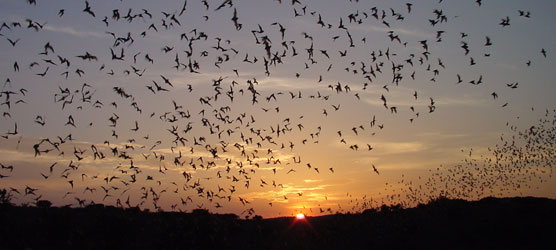
Mexican free-tailed bats emerging from Carlsbad Cavern. Nick Hristov, Public domain, via Wikimedia Commons

A recent vacation to Carlsbad Caverns in New Mexico to watch thousands upon thousands of bats take flight and begin their nightly bug-hunting expedition had inspired Adams to wonder if a million bats might carry a million tiny incendiary devices to roost in a million hard to reach places within the flammable buildings throughout Japan.

Adams happened to be acquainted with First Lady Eleanor Roosevelt, and so when he sent his cruel, disturbing, and possibly kind of genius idea to the White House, it made it to the president’s desk where Roosevelt wrote in a memo: “This man is not a nut. It sounds like a perfectly wild idea but is worth looking into.”

With approval of the project, later known as Project X-Ray, Adams began assembling a team of specialists from a wide variety of fields. The list included mammalogist Dr. Jack von Bloeker, as well as Harvard chemist and inventor of napalm Dr. Theodore Fieser. It also included a pilot-turned-actor, a one-time hotel manager, a fitness expert, a former gangster, a lobster fisherman, and a couple of high school student lab assistants, which sounds a bit like the set up to a joke. And in case you forgot, it’s worth mentioning again that the project leader was a dentist.

The team got to work and designed a tube carrier that could hold 1,040 Mexican free-tailed bats, kept just cold enough to maintain hibernation during transport, deploy a parachute at four thousand feet above the ground, and open to release the newly awakened bats, each with fifteen to eighteen grams of napalm glued to their furry chests.

Upon testing, some of the bats dropped to the ground having never woken up, and others flew off into the sunset neglecting to roost, but the bat bombs weren’t entirely unsuccessful. They did burn down a mock Japanese Village. Unfortunately, a handful of accidental releases also managed to completely destroy the Carlsbad auxiliary airfield.

Then after the not-yet-perfected project got shuffled around from branch to branch within the US military for a while, another secret weapons project came to light. While the atom bomb was certainly no less cruel, disturbing, and possibly genius than the bat bomb, it did overshadow Project X-Ray, which was cancelled in late 1944, much to the relief of a million Mexican free-tailed bats.

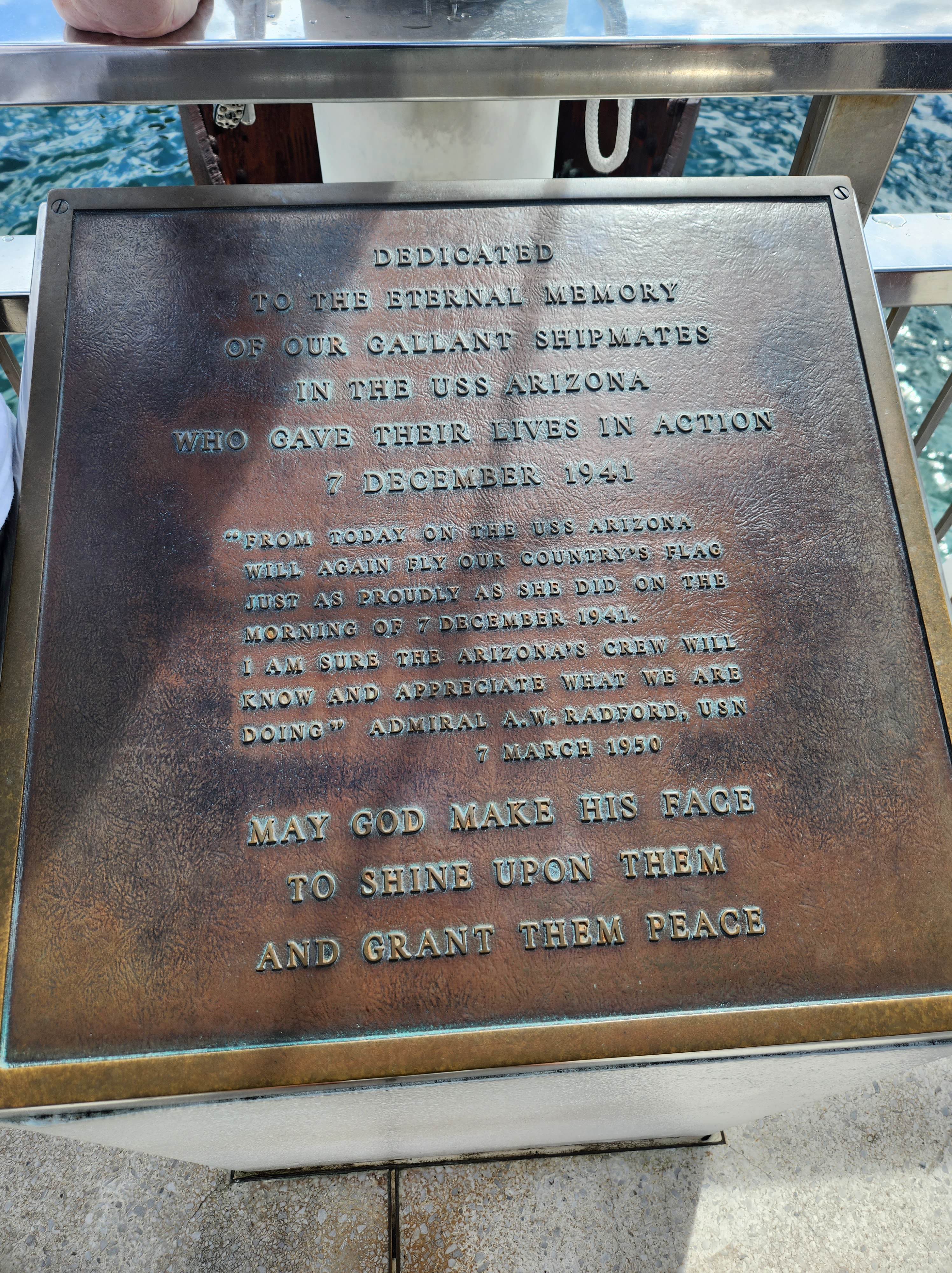
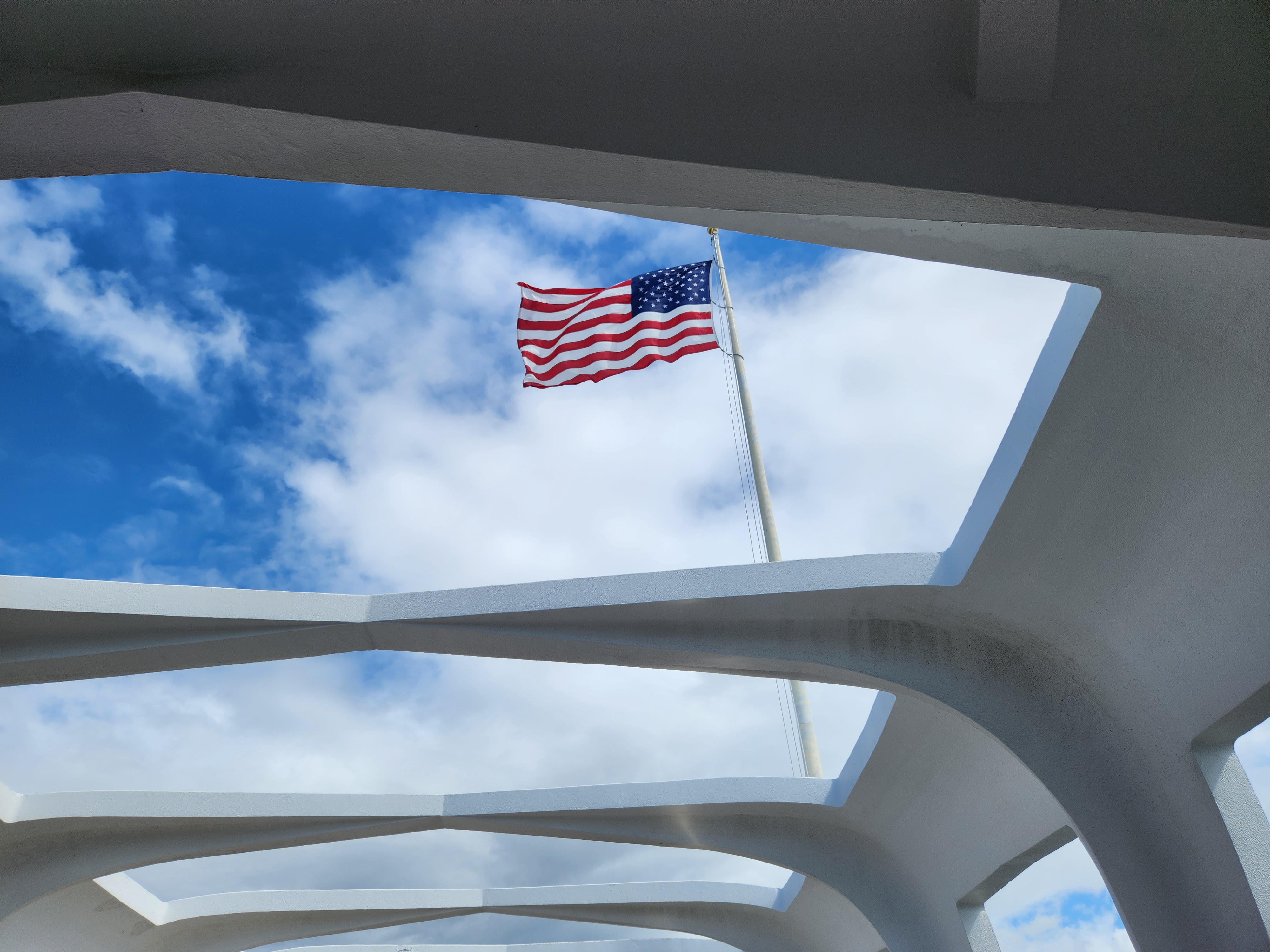
I don’t often write in this space about the more serious moments in history, at least not very directly, but today marks the anniversary of one of the deadliest attacks ever committed against the United States, and the beginning of this nation’s official participation in World War II. This year more than any other, I feel connected to that moment in history. Largely that’s because this past summer my family and I visited the Pearl Harbor National Memorial in Honolulu.

There we stood silent above the watery grave of the USS Arizona where the bones of many trapped servicemen still lie, and watched as small amounts of oil bubbled up to the surface of water that eighty-two years ago today was covered in flames. It’s a somber place that leaves one with big feelings to work through, a strong sense of patriotism, and an overwhelming desire to help defeat the darkness now spreading through the world.

Because I don’t know about you, but to me the world is feeling like a pretty dark place right now. I’m certainly not prepared to assemble a motley crew and sentence a million poor little bats to death, but I can almost understand the sentiment behind Lytle Adams’s big idea. I might even agree with Franklin Roosevelt’s assessment that the man was perhaps not a nut.

Thinking About the Roman Empire

I’ve been at this blogging thing for going on twelve years now, which is long enough to lose a little steam, and also to not always remember what territory I’ve already covered in this space. I am pretty sure, however, that in the first eleven years, I never once wrote specifically about chickens*. Now in year twelve, I have so far found myself writing about them twice.

Oh, maybe this is why all of the men are thinking about the Roman Empire! Public Domain, via Wikimedia Commons

It’s not that chickens aren’t fascinating creatures. I’m sure they are. I just never realized they held much of a significant role in history. That is until we all started thinking about the Roman Empire so much.

Actually, maybe you haven’t been thinking about the Roman Empire all that much lately. It started as an Instagram post turned Tik-Tok trend with a couple of Swedish influencers challenging women to ask the men in their lives how often they think about the Roman Empire. An oddly large percentage of men responded that they do think about the Roman Empire fairly often.

I’m a little late to the game because I don’t spend a great deal of time on either Instagram or Tik-Tok, but still several of the men in my life have played along and posted more than once that they are thinking about the Roman Empire again, which in turn makes me think about chickens.

Because chickens were pretty important to the Roman Empire, particularly the sacred chickens from the Greek Island of Euboea, whose opinions on foreign policy held great sway. Rightly so, because there was at least one incidence when their advice was not taken and disastrous results followed.

The story goes that during the First Punic War between Rome and Carthage, Roman consul and naval commander Publius Claudius Pulcher decided to attack the Carthaginian fleet at in the harbor of Drepana off the western coast of Sicily. As one evidently does while in Rome, he consulted the sacred chickens.

He asked his friendly neighborhood pullarius (Latin for chicken priest, just in case that ever comes up in conversation), who offered feed to the chickens and waited to see what would happen. If the chickens decided to eat, that would have been a sign of good luck. If not, then perhaps Pulcher would have been better off planning his attack for another day.

It seems reasonable to assume that if these creatures don’t feel like eating, it might be an ominous sign. Image by Emilian Robert Vicol from Pixabay

On this particular day, the chickens did not prove hungry, but Pulcher was not going to be told what to do by a bunch of bird-brained soothsayers. He allegedly responded to the chicken priest’s report that if the chickens didn’t want to eat, perhaps they could drink, and he ordered them all thrown overboard. He then went on to suffer the greatest naval defeat of the war and returned to Rome in shame.

It turns out that thinking about the chickens may be a worthwhile endeavor after all. If you spend much time thinking about the Roman Empire, they’re bound to come up eventually. Maybe even twice in only a few months.

I don’t know that I would say I spend an inordinate amount of time thinking about the Roman Empire, at least not as much as many of the men in my life apparently do. But I would bet that the time I spend writing blog posts about chickens is above average.

*After writing this post, it occurred to me that I did write about Mike the Headless Chicken once, back in June of 2016. You can begin to see why the topics are not coming as easily these days.

Really Fowling Up the Place

In March of 1847, 19th century literary journal The Knickerbocker published what is most likely the first printed version of what has become one of the most ubiquitous terrible jokes in the English language. It asks, “Why does a chicken cross the street?” It also offers up the answer: “Because it wants to get to the other side!”

Gas station chicken.

And because as everyone knows, a joke is always funnier when its punchline is thoroughly explained, the editor includes that as well: “There are ‘quips and quillets’ which seem actual conundrums, but yet are none.” In other words, the joke is vaguely funny, because it’s not.

This joke has been running through my head a lot the last couple of weeks because my family and I recently returned from a vacation in Hawaii, a big trip when you consider that we live in Missouri.

Many years ago, my husband and I decided we wanted to visit all fifty states in the US by the time we turned fifty. Our ambitious now eighteen-year-old son decided he would do it by the time he turned 25. He’s close, and pretty smart, so when we asked him to choose our family vacation destination before heading off to college, he didn’t hesitate.

Parking lot chicken.

When the boys were small, and we lived on the West Coast not far from an airport with direct flights to the islands, the two of us left the kiddos with grandparents and visited the Big Island, but this was the first trip there with all four of us.

We chose Maui this time (with a quick hop over to Oahu to visit Pearl Harbor for the history buffs among us) and it was as absolutely gorgeous as you might expect. There were waterfalls, and rainbows, and sea turtles, and lava tubes, and secluded beaches, and deadly narrow roads on mountainsides, and feral chickens.

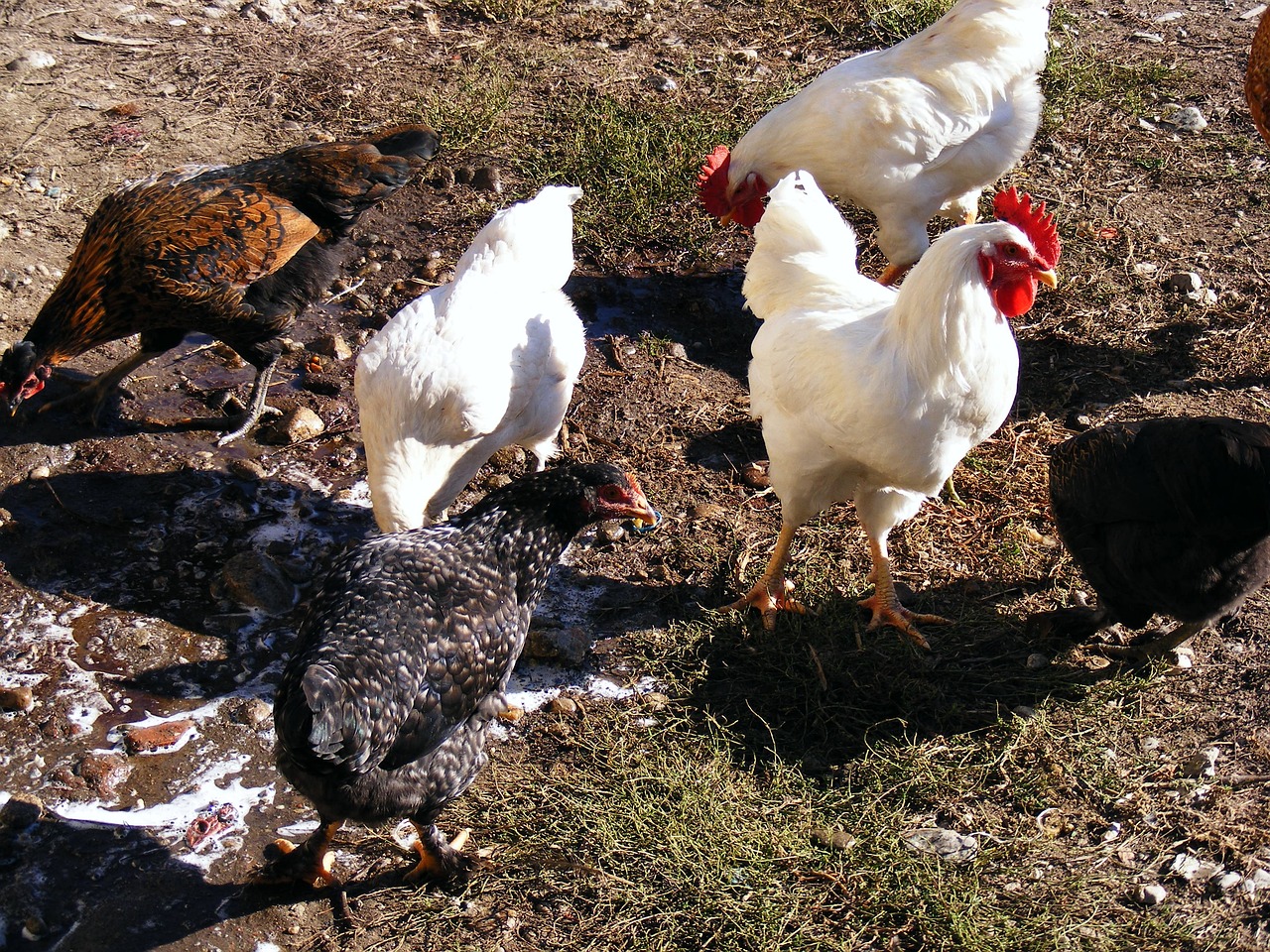
So many chickens. There were chickens at the airport, at our hotel, on hiking trails, in the parking lot of the grocery store, and even hanging out beside the pumps at the gas station, where I assume they were fueling up to head out across the road.

Resort chickens. What is funny is the amount of time I spent during my vacation to beautiful Hawaii taking pictures of chickens.

I was more or less expecting most of the sights we took in, but I admit I was not expecting feral chickens. I didn’t remember noticing them on the Big Island. I’ve since discovered that while it’s a problem there, too, the islands of Maui and Kauai are especially overrun.

There have been chickens on the islands for as long as there have been people there. When the Polynesians first arrived as early as 1200 AD, they brought food supplies with them, including several crops and animals like red junglefowl, which is believed to be the ancestor of the domesticated chicken.

When Captain Cook arrived in 1778, he brought a more domesticated version with him. So did the missionaries, turned businessmen who ran large sugarcane plantations. That industry surged through the American Civil War when the North couldn’t import sugar from the South and then declined sharply toward the end of the century. Chickens, which were good to have around for pest control on the plantations, were then released into the wild where they began really fowling up the place.

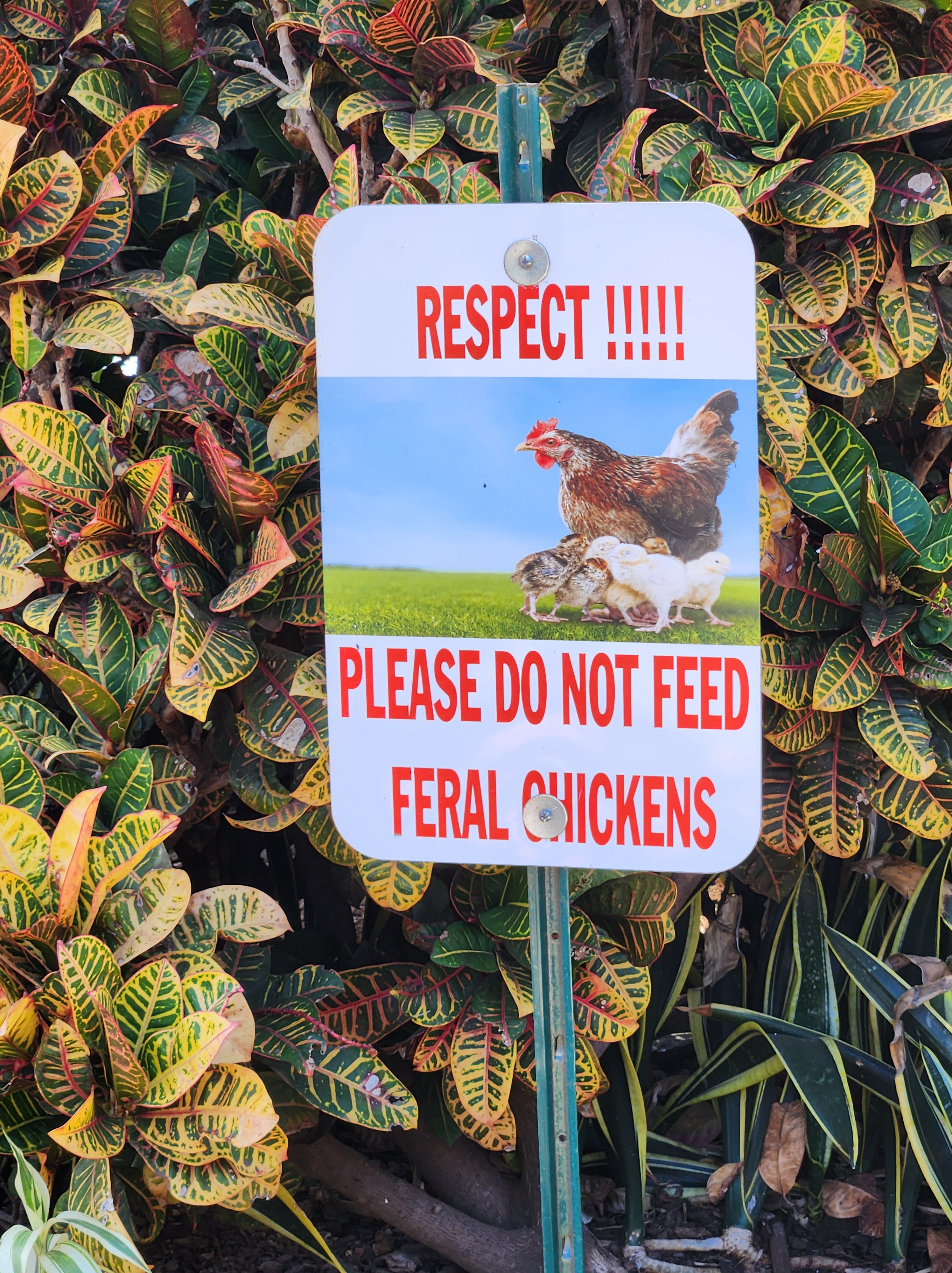
The state hasn’t managed to get control of the chicken problem, but their efforts have resulted in a number of signs. So I guess that’s something.

And then there are the hurricanes and storms that blow up and tear apart chicken coops, releasing even more of the birds onto islands where there’s abundant food for them and not much in the way of predators that want to eat them.

Of course, humans make a pretty formidable predator of chickens, except that these have crossbred with the protected red junglefowl, making it difficult to know which, if any, can be legally harvested. Also, rumor has it, they are awfully gamey.

The state has made attempts to address the growing problem of loud, messy, feral chickens scratching up gardens and making a general nuisance of themselves, but they haven’t made a lot of progress. And so, for now, Hawaii has breathtaking sunsets, gorgeous flowers, awe-inspiring starry skies, majestic marine life, and a whole bunch of chickens crisscrossing its streets. That could seem vaguely funny, except that of course, it’s not.

Orca-strated Attack

These past few weeks, or maybe months, I have fallen out of the blogosphere a little bit. Life has just been really busy. Fortunately, it has calmed down a little now, and I’m hoping to reestablish the routine of a weekly post, because apparently when I turn my back for just a couple of minutes, the killer whales go to war with humanity.

To be fair, this might not be entirely unexpected behavior. In his Natural History, Pliny the Elder refers to the orca as “an enormous mass of flesh armed with teeth” that is “peculiarly hostile” to whales, often ramming them until they manage to kill them, “dash[ing] them to pieces against the rocks.”

This man knew a storm was brewing. Pliny the Elder, Public Domain, Wikimedia Commons.

Humans have had a varied relationship with these animals throughout history. While Western culture has often feared orcas, most Indigenous American cultures have, through various mythologies, regarded them as powerful rulers of the sea, sometimes depicted living in houses and cities beneath the waves, and generally benevolent toward humans.

It turns out that both perspectives might reflect a little bit of the truth, because one thing that’s pretty clear is that orcas, which are more closely related to dolphins than to whales, are pretty smart. Reading about their natural behavior, one comes across words like clans, matriarchs, and friendships. Orcas have highly organized social structures. Throughout the world, though they may “speak” different dialects and enjoy different dietary habits, they still seem to communicate pretty well with one another.

An enormous mass of flesh armed with teeth. But it’s also pretty cute, as long as you don’t make it angry. Public Domain, via Wikimedia Commons

And a growing number of them are angry. It turns out that a global pandemic isn’t the only thing that 2020 brought us. It also saw a rapid uptick in orca attacks on boats, particularly off the coast of the Iberian Peninsula. Some researchers trace the attacks to a single female orca they’ve named White Gladys who after experiencing some unknown trauma at the hands of humans, started rallying the troops to get her revenge.

Now, I’ve grown up in the era of Free Willy, rather than the horror film Orca. I’ve enjoyed watching these beautiful creatures play in the wake of a ferry in the Pacific Northwest, and my adorable little niece (now grown) dubbed them “Er-Ers” because to her that is what they sounded like. I’ve always kind of liked orcas, and so it has been a little shocking for me to discover that they are vengeful, and organized, and seem to have a solid working knowledge of the mechanics of boats.

Because the behavior Pliny the Elder described in 70 AD is more or less exactly what the orcas are now doing to boats. They ram them in a particular and consistent fashion, targeting the rudders until the boats are disabled in the water. These are not boats that have provoked the creatures in any way, though they certainly seem to be getting the blame for something terrible.

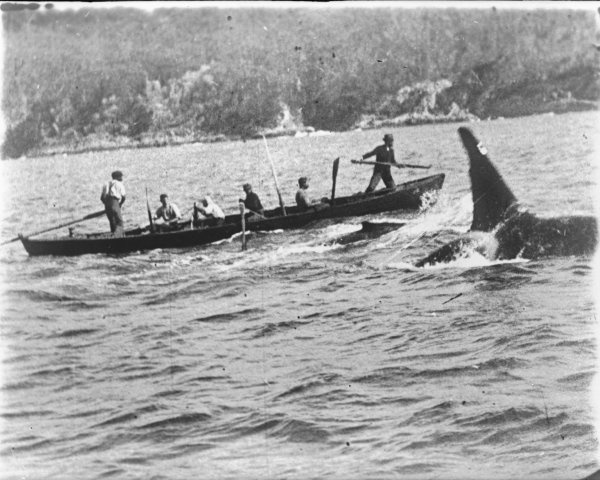
I mean, if the orcas have declared war on the humans and their boats, I don’t know that it’s entirely unjustified. Charles Eden Wellings (1881-1952), Public domain, via Wikimedia Commons

Often the animals have lost interest once the boats are rudderless, but there have been recent cases in which the orcas have followed, continually ramming the boat and pretty much terrifying the people on board as it’s towed back to safe harbor. In at least three instances now, boats have actually been sunk by orca attack.

Since July of 2020, there have been more than seven hundred reports of orca encounters in the same part of the world, five hundred of which resulted in engagement and damage to boats. Some observations suggest that adult orcas have been teaching younger ones how to efficiently take out rudders. The behavior is spreading.

One solution on offer is to tag and track several of the adult orcas we know to be instigators so that we can better predict where attacks might occur and boats can more easily avoid troubled waters. The problem is that the tagging process can be fairly traumatic for the animal, which is clearly already a little disgruntled with humans. It could make the problem worse.

Personally, I’m not terribly concerned as I live something like seven hundred miles from the nearest coastline. I’m unlikely to encounter an angry killer whale in my neighborhood. And not to be a traitor to my species, but I also would be lying if I said I wasn’t a little impressed with the orcas.

Obviously, people who do spend a fair amount of time on the ocean are going to have to figure out a good way to avoid conflicts, and marine biologists need to determine how best to stop the problem from spreading across the world. Then again, in a fast-paced world in which the biggest new problem facing humanity feels like artificial intelligence, it’s kind of nice to know that good old fashioned animal intelligence can still be threat.

Godspeed, Ben!

On April 30, 1904, the Louisiana Purchase Exposition opened to the world on the grounds of Forest Park in St. Louis. To walk through Forest Park today, nearly one hundred and nineteen years later, you almost wouldn’t know the fair had been there at all. The only structures that remain are the Art Museum building and a large, elliptical, walk-through birdcage that forms part of the St. Louis Zoo.

Pub. by Chas. M. Monroe Co. “Tichnor Quality Views,” Reg. U. S. Pat. Off. Made Only by Tichnor Bros., Inc., Boston, Mass., Public domain, via Wikimedia Commons

The aviary wasn’t originally intended to be a permanent structure. It had been erected by the Smithsonian Institute to house the birds it would display as part of the fair. When the fair was over, the city of St. Louis, which had long wanted a zoo, purchased the structure and by 1913 had erected a seventy-seven-acre zoological garden around it.

In 1916 the school children of the city donated enough pennies to acquire the zoo’s first elephant, Miss Jim, and the same year, St. Louis voters approved a special tax to support their new zoo, which today remains one of very few community-supported zoos in the world, offering free admission to visitors.

In 1921 came bear pits; in 1924, a primate house; and in 1927, a reptile house. The 1960s brought an aquatic house, a children’s area and railroad, and a significant renovation to the original aviary. Over the years the zoo in Forest Park has been improved a great deal, has expanded to cover ninety acres, and welcomed around three million visitors per year. It currently houses about eight hundred different species, including 9,200 animals.

Too cute to be contained. (not Ben). Alberto Apollaro Teleuko, Public domain, via Wikimedia Commons

But there’s about to be one less critter among them because on February 7, 2023, a four-year-old Andean bear named Ben escaped his enclosure. Fortunately, this happened in the morning before the zoo had opened to the public and Ben was tranquilized and secured without incident. Zoo staff added stainless steel cargo clips with 450 pounds of tensile strength to the steel mesh through which Ben had found his way to freedom. All was well.

Then about three weeks later Ben forced his way through the new cargo clips and escaped again. This time, the zoo was open. Visitors were ushered indoors while Ben was once again tranquilized and secured. With the exception of the cargo clips, no real harm was done.

Evidently, like so many St. Louis residents these days, with skyrocketing crime rates, a district attorney under fire who can’t even seem to keep the zoo animals behind bars, and yet more negative national media attention, Ben the Andean bear doesn’t want to be in the city. He’s moving to Texas.

And who can blame him, really? This delightful Houdini has been described by zoo staff as a fun and playful character. Soon he’ll get to trade his steel mesh in this currently struggling city for a moat at the Gladys Porter Zoo in Brownsville, Texas, right next to the Mexican border where thankfully there is little crime, a well-functioning system in place for keeping everyone well-organized and contained, and almost no media attention whatsoever.

Godspeed, Ben!

Prognosticator of Prognosticators

On February 2, 1887, exactly one year after Punxsutawney Spirit newspaper editor Clymer Freas suggested the idea of an official Groundhog Day, a group of well-dressed and maybe just a little bit silly local businessmen who referred to themselves as the Punxsutawney Groundhog Club began a tradition that has to go down as one of the most ridiculous annual ceremonies I actually pay attention to.

I refer of course to that preferably not so bright Candlemas morning when the world’s most famous rodent named Phil appears before an adoring public to make an official statement regarding the amount of winter weather that remains to be endured.

The groundhog, aka woodchuck is an animal that is at least as good at long-range weather forecasting as it is at chucking wood, which it would probably do a lot of if it could. Image by Mona El Falaky from Pixabay

Officially known as Punxsutawney Phil, Seer of Seers, Sage of Sages, Prognosticator of Prognosticators, and Weather Prophet Extraordinaire, Phil is allegedly the oldest groundhog on record at the whopping age of 136. That’s approximately 130 years longer than the expected lifespan of a groundhog.

Phil’s “Inner Circle,” which includes the world’s only human speaker of Groundhogese, explains that his exceptionally long life can be attributed to a life elixir he takes every summer, the side effects of which can cause him to occasionally change his physical appearance somewhat dramatically.

Okay, it’s quirky. Maybe even just plain weird, but the Groundhog Day celebration draws as many as thirty to forty thousand visitors to the tiny town of Punxsutawney, Pennsylvania every February second. Hordes of groundhog enthusiasts flock to Gobbler’s Knob, the site of Phil’s proclamation near Downtown Punxsutawney, and probably spend a fair bit of cash while visiting the community.

The movie that put Punxsutawney and Phil on the map was actually filmed in Woodstock, Illinois, which also has stupid cold February mornings. Public Domain, via Wikimedia Commons

And so, it makes perfect sense to have continued the event since the 1993 film Groundhog Day forced Bill Murray to live the day over and over again, and let the world know about this silliest of festivals. What makes less sense is that the annual tradition occurred for one hundred and six years before that. I somehow doubt that the members of the original Punxsutawney Groundhog Club foresaw a day when Hollywood would come knocking on Phil’s burrow.

Then again, they do have a connection to the Seer of Seers, and his accuracy in predicting whether spring is right around the corner or we will experience six more weeks of winter, is about 36%. For those of you keeping track at home, that’s less accurate than a coin flip.

But he is just a really old rodent. And groundhogs have not always been a part of such predictions. The Candlemas long-range forecasts themselves are actually much older, with a general acceptance that “If Candlemas Day is clear and bright, Winter will have another bite.”

Looking at this halfway point between the winter solstice and vernal equinox as a predictor of weather patterns coming into spring even predates Candlemas as a part of the Celtic celebrations of Imbolc. Groundhogs didn’t get mixed up with it until German immigrants brought the tradition with them to Pennsylvania and made it their very own.

Phil, looking super thrilled to be here. Chris Flook, CC BY-SA 4.0 https://creativecommons.org/
licenses/by-sa/4.0, via Wikimedia Commons

But I guess it’s okay that they’re mixed up with it now. Punxsutawney Phil’s festival in Gobbler’s Knob has inspired at least thirteen similar festivals throughout the Eastern United States, because I guess it’s something to do while we wait out the last six or so weeks of winter. So, here we go again.

I have been known from time to time to be delighted by silly traditions and I confess that I have a fair few bizarre events on my bucket list. Groundhog Day in Punxsutawney, dear reader, is not one of them, mostly because February mornings in Pennsylvania are really stupid cold. For you, however, I did watch the livestream of Phil’s pronouncement this morning from the comfort of my warm living room while still in my pajamas.

I may not have been there, but Miss Pennsylvania was, and so was the governor of the state, as well as a large number of reporters who were probably questioning their career choices. The top hat-clad president of the Punxsutawney Groundhog Club was there, too. He had a lengthy conversation with a rodent, who I’m sad to say, predicted six more weeks of winter, and there’s only a 64% chance he’s wrong.

Happy Groundhog Day!