A Preposition Proposition

There’s a video put out by the folks of Miriam-Webster that has been floating around. It’s worth a little thinking about. It suggests that, despite what your third grade teacher taught you, a preposition might not be the most terrible thing to end a sentence with.

In fact, these language experts who, mind you, have now decided to include the nonsensical “irregardless” in their dictionary, point to the history of English to rest their case upon. They suspect it began with a little known 17th century grammarian named Joshua Poole whose work, The English Accidence, does mention that one should use prepositions following only the natural order they should appear in.

England’s first Poet Laureate John Dryden apparently agreed with him, and once took critical aim at poet Ben Johnson’s use of the line: “The bodies that those souls were frighted from.” Because Dryden used to translate his own work into Latin as a way to revise for concise and elegant language, the assumption is that he preferred the grammatical rules of Latin to force English into.

If you want to get creative with prepositions, you’ll have to think outside the box. Or in it. Or on it. Or around it. Image by Agata from Pixabay

Whether this was the real reason for his preference, however, doesn’t totally shine through. Dryden did also once take himself to task for occasionally spotting a line or two in his own work where a sentence-ending preposition had slipped out.

All writers have preferences they rarely go against. It’s certainly not a habit that I can claim to be above. Still, it’s unclear why this particular preference of this particular poet became a hard and fast rule no student could live without. What is certain is that in the wake of Miriam-Webster’s claim that the rule never was a rule, the debate has been a furious one that it may take some time to get over. This is a topic that sure gets people worked up.

I do appreciate that language evolves and I try not to be too pretentious about it, but based on this brief experiment with lackluster, and maybe even just plain strange sentence structures, I don’t think I’m ready yet to throw the rule out. All I can say is that I will certainly think it through.

Literary Daydream and Introvert Nightmare

In 1936, Eleanor Roosevelt wrote in her nationally syndicated news column, My Day: “I wonder if anyone else glories in cold and snow without, an open fire within, and the luxury of a tray of food all by oneself in one’s own room? I realize it sounds extremely selfish and a little odd to look upon this as a festive occasion. Nevertheless, last night was a festive occasion for I spent it in this way!”

Eleanor Roosevelt, Public Domain via Wikimedia Commons

This from a woman who gave more than three hundred press conferences in her role as First Lady, served as a delegate in the United Nations, and averaged more than a hundred speaking engagements a year throughout her life in public service. In her own words, she was an “ugly duckling” who was a “shy, solemn child,” who eventually grew into the woman who insisted you should “do one thing every day that scares you.”

But even though Mrs. Roosevelt clearly conquered her shyness, she still enjoyed a quiet evening by herself from time to time, indicating that this first lady was probably a pretty good example of an introvert.

That’s not the same thing as shy, of course, though the two may go hand in hand. Introversion is a personality trait that demands moments of quiet introspection. The introvert may actually enjoy a good party or press conference as much as her buddy the extrovert. The difference is that after the speech has been given, the crowd has dispersed, and the extrovert is all keyed up and on the lookout for the next party, the introvert is feeling the need for a festive night in with a tray.

I’ll take it!

I totally feel Eleanor on this one. I am not a particularly shy person. Maybe I was when I was younger, though I’m happy to say I never really considered myself an ugly duckling. I generally enjoy getting to know others and I’m sure I could manage a good press conference if I ever had to. But after that’s all done, I tend to be pretty exhausted. And boy am I tired right now.

If you’ve been reading this blog for the last few weeks, then you already know I’m in the throes of a book launch. It’s going well. Compared to previous book launches I’ve done, it’s actually going really well. By that I mean there seem to be actual real people that I don’t personally know, buying and reading my book.

I’m sure it helps that this is the fifth book I’ve sent out into the world. and maybe just maybe I’m getting better at it. For this one especially, I spent a minute or two over the past several months lining up promotional opportunities, most of which have been more or less panning out now that the time is finally here. Because the book has a timely and local connection, I’ve lucked into a few opportunities as well. And then there’s my wonderful launch team that has been enthusiastically and generously hyping the novel all over social media.

I am truly grateful that because of these efforts, this book is off to a good start, winding its way into the hands of a wider audience than I’ve ever reached before. In many ways, I am living in a lovely literary daydream. I’m also fairly overwhelmed at all the attention coming at me and my book, which is kind of my introvert nightmare.

I just need like one minute and then we can talk about the book again. Image by Hans Kretzmann from Pixabay

There’s a part of me (a big part, if I’m being honest) that might rather everyone just go back to their previously scheduled lives and ignore me and my book as we curl up to enjoy a festive night in.

Of course I don’t really want that. I do want people to read the book. It’s just that because I have strong introvert tendencies, I’m tired and also totally excited to know readers are discovering the book and engaging with it and with me, and I’m tired and I’m enthusiastic and I’m tired and I’m grateful, and I’m tired.

Yeah, it’s been a long couple of weeks. If you’d like to see me doing one thing that scares me, you can hop over to the Paradise on the Pike book page and check out my first ever live radio interview on local station NewsTalkSTL, which didn’t end up being as scary as I thought it might be. You go on ahead without me. I’m just going to take a minute to sit with a tray in my room.

Maybe We Should Taco ‘Bout It

In 1632, Italian scientist Galileo Galilei published his book Dialogue Considering the Two Chief World Systems. Produced under a license issued by the Inquisition, the work presented a discourse between different points of view on a wide range of scientific topics of his day.

One of these conversations involved the competing theories of 2nd century Egyptian mathematician Ptolemy who believed the earth to be the stationary center of the solar system, and that of 16th century Prussian mathematician Nicolaus Copernicus who said, “Nuh-uh.”

Clearly this is heresy. Image by WikiImages from Pixabay

It turned out that Galileo, a devout Catholic who was clearly well versed in the arguments of each, and pretty handy with a telescope, kind of sort of agreed a little bit completely with Copernicus. In the course of his Dialogue, it started to sound that way to his readers, too. Among those readers was Father Vincenzo Maculano who was appointed by Pope Urban VIII to suss out the truth behind Galileo’s potential heresy, general bigotry, and absolute hatred of puppies. Probably.

And he did just that, because three hundred and ninety years ago today, under the threat of torture, Galileo made a public statement denouncing his ridiculous, data-fueled suspicion that Earth revolves around the sun.

The Catholic church at the time, supported by the questionable literal reading of several verses of Scripture, was thoroughly convinced this was an error that had been inappropriately and willfully spread by Galileo’s heretical work. Also that Galileo most likely had other incriminating documents locked up at his house, or possibly in a box tucked behind his Corvette.

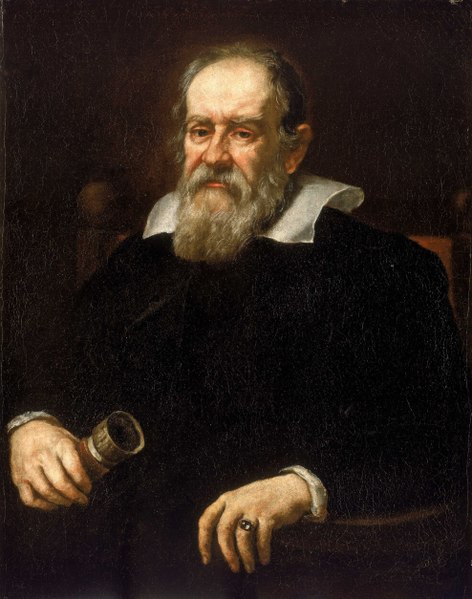
Although, the man really did know his way around a telescope. Justus Sustermans, Public domain, via Wikimedia Commons

It’s not hard to imagine why Galileo, sixty-nine years old at the time and not in the greatest of physical health, went ahead and stated for the record: “. . .with a sincere heart and unfeigned faith I abjure, curse, and detest the aforesaid errors and heresies, and generally every other error, heresy, and sect whatsoever contrary to the said Holy Church. . .”

The book was banned, which made the world much safer from thinking. That was a good thing since the world was already pretty busy revolving around the sun. Galileo himself was sentenced to penance and imprisonment that was soon softened to house arrest for the remainder of his life.

And it served him right, because troublemakers who float theories that go against the grain of societally accepted truth, and who are consequently bigots and puppy-haters who have obviously broken all the laws, deserve to be harshly judged and silenced.

Except that three-hundred and ninety years later, I think it’s safe to assume most of us would agree the trial and forced recantation of Galileo was wrong. It only took the Catholic church three hundred and fifty-nine years to officially come to that conclusion, remove his book from the list of the banned, and pardon the man so he could leave the house and get a taco. Tragically, he didn’t live long enough to see the day.

I’d probably be happy listening to any of your crazy ideas over a taco. Also, I might be a little bit hungry. Kurt Kaiser, CC0, via Wikimedia Commons

Still, it’s nice to know that given enough time, humans will listen to and consider the ideas of fellow humans without automatically assuming the person presenting those ideas hates puppies, which I should add, it’s entirely possible that Galileo did not.

I’d like to think we might even be able to swallow our pride enough to make an effort in fewer than three hundred and fifty-nine years, even though I know it can be pretty uncomfortable to listen to someone challenge a widely held idea that you personally think is pretty spot on.

But it might just be worth the effort to listen, because maybe the person on the other side of that discussion really is a bigot who hates puppies. Or it’s also possible that person actually shares most of your beliefs, but just has a telescope and some pretty good evidence that should also be considered. And that person would probably really like to go get a taco.  

Creativity Plays Opossum

A few days ago, as I was driving through the City of St. Louis and scanning the local radio stations, my brain caught on a conversation about ChatGPT and dead opossums. If you have been paying much attention around the water cooler lately, you’ve probably heard about ChatGPT. It’s the AI app that will quickly compose an email for you or help you solve that tricky math problem. It can give you the illusion of companionship, tell you a joke, write an essay for your English class, and offer useful advice like that you probably shouldn’t cheat on your English essay.

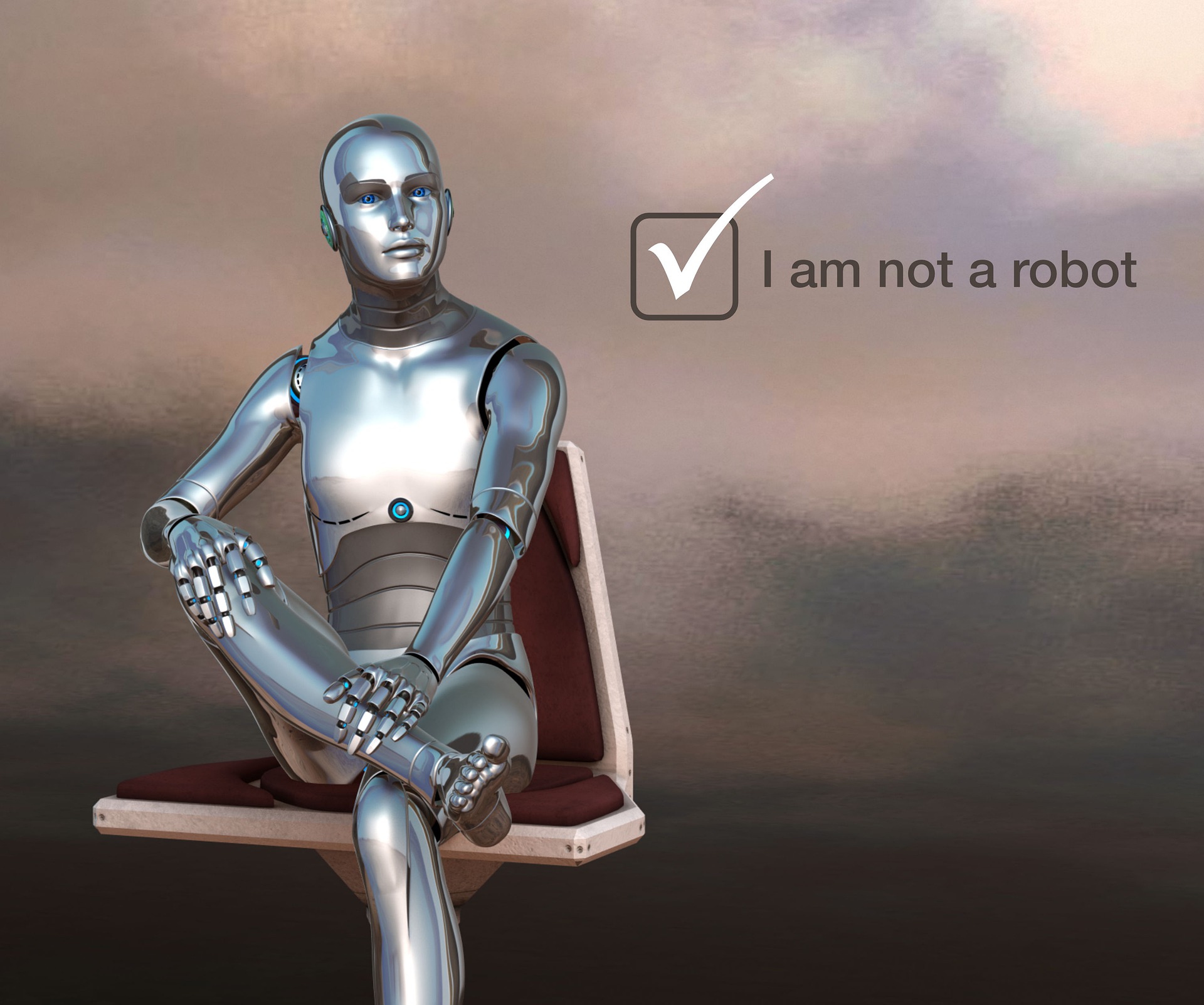
Which is, of course, exactly what I would say if I were a robot. Image by Janos Perian from Pixabay

I’m told it can even put together a blog post, but as the creative mind behind this blog has been artificially intelligent for years, I’m not sure there’d be much call for it in my little corner of the blogosphere. And yes, though I didn’t catch enough of the conversation to know why one might want this, ChatGPT can also compose lyrics for a song about dead opossums, or presumably also live opossums that are playing dead. It can even do it in a much shorter time period than your average folksinger, most of whom would likely never attempt to write one in the first place.

Personally, I’ve never used the app, and at this moment in time, I believe I never will, but it’s fascinating to listen to people talk about it. For most, it seems to be a bit like watching a horror movie. It’s super creepy and it makes your heart pound and your stomach hurt as your mind gnaws on the notion that human creativity appears as dead as an opossum. But on the other hand, it’s also kind of cheesy and entertaining and pairs well with popcorn.

There’s no doubt that AI is exploding onto the scene, but it’s been on the rise for years, beginning in the 1950s when computers were first able to store and retrieve data in addition to simply running through a program. The concept of artificial intelligence stretches back even further than that to at least 1872 to English writer Samuel Butler’s Erewhon.

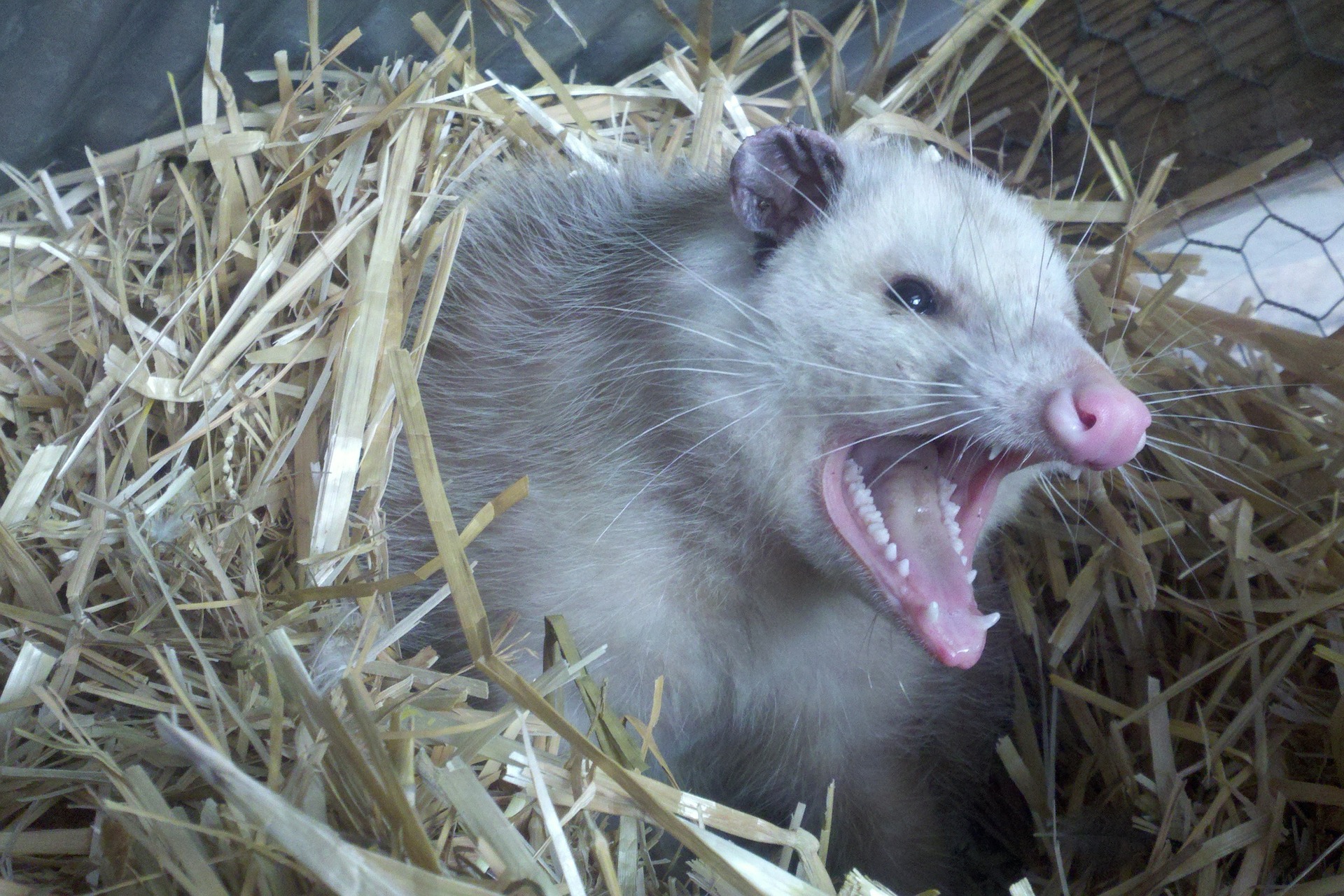
This is kind of how I’m currently feeling about AI. Image by Roy Guisinger from Pixabay

The novel tells the tale of protagonist Higgs who discovers a hidden Utopia filled with people who are remarkably concerned about his pocket watch. It turns out that three hundred years before Higgs’s arrival, the Erewhonians gave up all technology, including pocket watches, for fear that it would evolve to eventually overcome the human race.  

At the time the novel was published, and for many years after, it was assumed to be a commentary on the evolutionary work of Charles Darwin. It probably was, but from the perspective of 2023, it might read a little more like an incredibly insightful horror novel that is difficult to get through because it was written in the 19th century and as a result probably seems sort of dull to most 21st century readers.

I bet it could be nicely modernized by ChatGPT if anyone wanted to give it a try. Throw in a nice song about dead opossums, and you might just have a great work on your hands.

This Blog Post is Okay

Okay, so over the past few weeks, I haven’t been very active in this space. I’ve been posting sporadically and haven’t been regularly visiting the many other wonderful blogs I normally visit regularly. I apologize for that and I will be working to make the rounds again now in the coming days as summer begins.

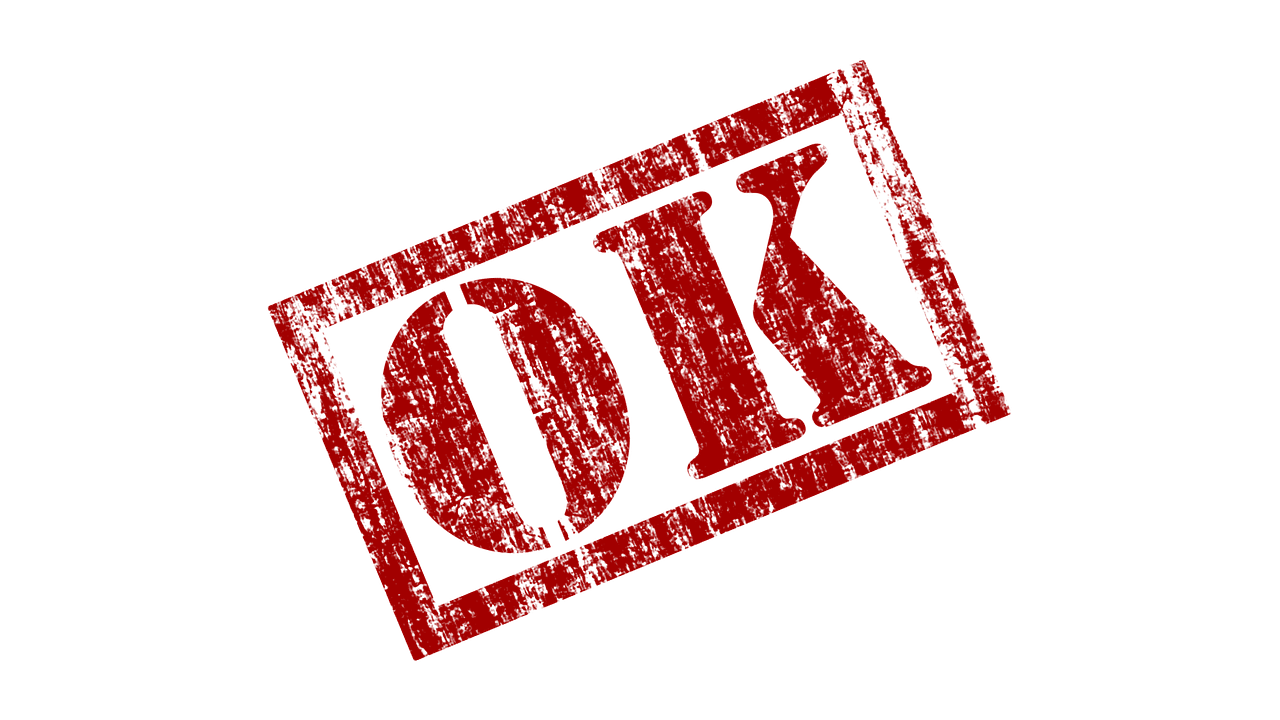
The last many weeks have been busy ones for me as I took on the full-time coverage for the maternity leave of a high school English teacher. Though it’s been a blast, it has also taken a lot of time and energy and I’ve had to let some things slide. But now the final exams have nearly all been given and the grades are almost submitted, and much like eighth president of the United States Martin Van Buren, I’m OK.

Martin Van Buren, OK US president. Mathew Benjamin Brady, Public domain, via Wikimedia Commons

Van Buren was only a candidate for the presidency when, in 1840, he first became known as “Old Kinderhook,” because he was from Kinderhook, New York. His supporters across the nation formed OK clubs and many historians assumed that this is how the ubiquitous little acronym OK, and the word “okay,” that it spawned, was born.

In truth, the Van Buren campaign may have influenced the persistence of the word, but that’s not where it started. Twenty-eighth president Woodrow Wilson was convinced the word had Native American roots, coming from the Choctaw word okeh, first borrowed by seventh president Andrew Jackson.

That explanation sure sounds okay, but it turns out it wasn’t right either. Neither were the assumptions made by various other o. k. linguists and who knows how many okay American presidents that the word descended from Latin, Greek, Swedish, or Mandingo.

It wasn’t until the more than ok work of word historian Allen Walker Read in 1963 that the world learned the story of its favorite word, a word that is understood in nearly every language in the world. Read explained in the magazine American Speech that o.k. was first used in 1839 as an abbreviation for “all correct” by an editor for the Boston Morning Post, and was meant as a friendly poke at a colleague at the Providence Journal in Providence, Rhode Island.

Image by Joakim Roubert from Pixabay

To modern readers that story probably sounds a little strange, but Read explained that at the time, there was a brief craze in English over both abbreviations and intentional misspellings. Well, ok.

And really, if you consider the modern teenager, with whom I’ve recently spent a great deal of time, it’s not so hard to imagine written communication carried out almost entirely in acronyms and misspelled words. Also, I think we can trust Allen Walker Read, as he is also the man who presented the world with a thorough understanding of the origin of the F_ _ _ word. But that’s another blog post.

The origin of ok or o.k. or OK or okay certainly doesn’t make for a glamorous story, but then maybe that’s appropriate. The really curious thing, I think, is how it managed to work its way into the speech of so many various cultures. I somehow doubt that it was all due to the influence of Martin Van Buren.

Perhaps the word has just evolved because as a species, we humans don’t always have something all that brilliant or important to say and so we end up saying things that are just ok. All I do know is that whatever corner of the world you’re from, you probably know what I mean when I say it. And that’s okay with me.

The Naked Truth About Pirates

In April of 1716, the crew of the French vessel Ste. Marie got a strange and probably pretty scary surprise. Off the coast of Cuba, the ship, carrying at least 30,000 pieces of eight, was flanked by two small vessels full of pirates who were armed to the teeth and were otherwise as naked as the day they were born.

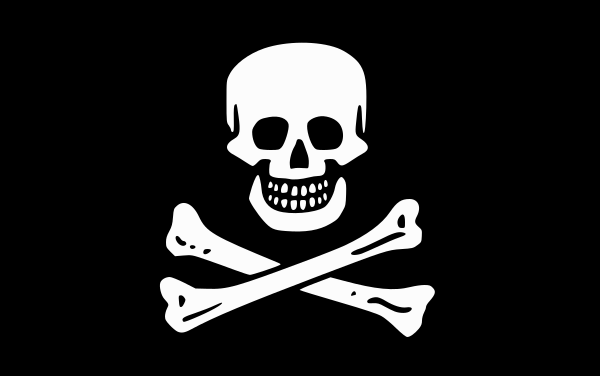
There were many versions of the menacing flag associated with pirates. Among the simplest of them, this one was most likely flown by Black Sam. RootOfAllLight, CC0, via Wikimedia Commons

It had been eight months or so since eleven of twelve Spanish ships transporting a large haul of treasure from the New World to the old had fallen victim to a hurricane and wrecked off the coast of Florida. The tragedy claimed as many as 1,500 lives and quickly attracted the attention of treasure hunters, including partners Paulsgrave Williams and Samuel Bellamy who sailed from Cape Cod, arriving in the fall after much of the treasure had already been plundered.

Of the two, Bellamy was the experienced sailor and the historical rumor mill suggests that he had a pretty good reason for needing that treasure. He had met the girl of his dreams but her father refused the poor young man’s plea to marry his daughter. Frustrated at the lack of treasure, Bellamy, who would later come to be known as Black Sam, turned to piracy because, obviously, it’s every father’s dream for his daughter to marry a pirate.

And he was a really good pirate, actually one of the most successful of the Golden Age of Piracy despite a relatively short run. He often shared his ill-gotten wealth with those who needed it most, earning a reputation as the Robinhood of pirates. A brilliant strategist, he went out of his way to minimize violence, even stripping to the buff in order to shock the crew and take the Ste. Marie without a single shot fired.

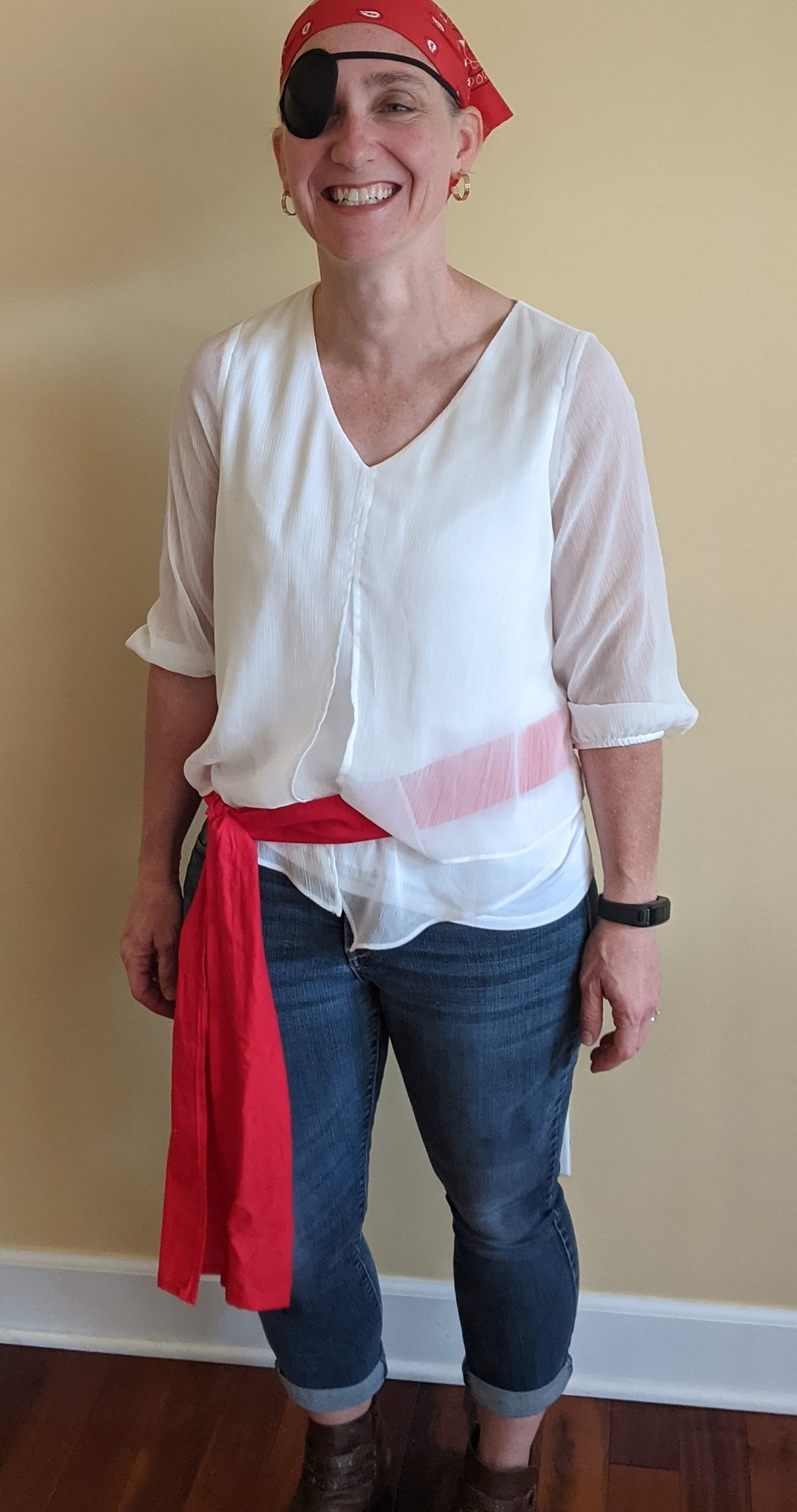
If you do wish to dress like a black-hearted bilge rat, I suggest something more along these lines. It will probably still surprise most of the landlubbers you encounter and it is much less likely to get you arrested.

And despite his nakedness, he allegedly treated his captives with respect, preferring “Please and thank you, sirs” to “Arrr. Walk the plank, ye black-hearted bilge rats!” That may be something to bear in mind as we celebrate Talk Like a Pirate Day coming up this Sunday, September 19th.

You will be celebrating Talk Like a Pirate Day, yes? Among all the thousands of ridiculous made-up holidays and “official” recognition days that have been crowded onto our calendars over the years, this one is definitely on my short list of favorites (Pi Day on March 14 claims the top spot).

Originally created by some guy in Oregon as a way to pillage some fun on the date of his ex-wife’s birthday, the probably-not-so-celebration-worthy event attracted notice when humor columnist Dave Barry wrote about it in 2002. So now, people in the know, spend the day calling one another scurvy dogs and saying Yo ho ho a lot.

And why not? Historians may argue that outside of Disney movies pirates probably didn’t actually talk all that differently than the rest of us, but it’s kind of a fun challenge to try to work shiver me timbers into a conversation. Go ahead and give it a try; talk like a pirate. Just maybe think twice before dressing like one.

The Title of this Post has Been Censored

In March of 1919, noted socialist activist Kate Richard O’Hare, fresh from the Missouri State Penitentiary where she had been briefly imprisoned for interfering with military recruitment through her anti-war speech, arrived in Des Moines, Iowa where she was scheduled to speak at the public library auditorium.

There she was denied the right to present by city librarian Forrest Spaulding who claimed the auditorium had been booked under false pretenses, stating “I believe that I have the support of the large majority of citizens of Des Moines whose interests I am endeavoring to serve.”

I don’t doubt that he was correct about a majority supporting him, but I question his assertion that he was serving their best interests by denying space for a perspective many might have found unpalatable. And it turns out, he probably questioned it, too.

Because by 1940, his tune had changed dramatically. That’s when a local minister approached him about banning Hitler’s Mein Kampf from the library shelves, to which Spaulding responded, “If more people had read Mein Kampf, some of Hitler’s despotism might have been prevented.” It wasn’t the material that frightened him nearly as much as the “small minds” who wished to prevent others from engaging intellectually with controversial ideas.

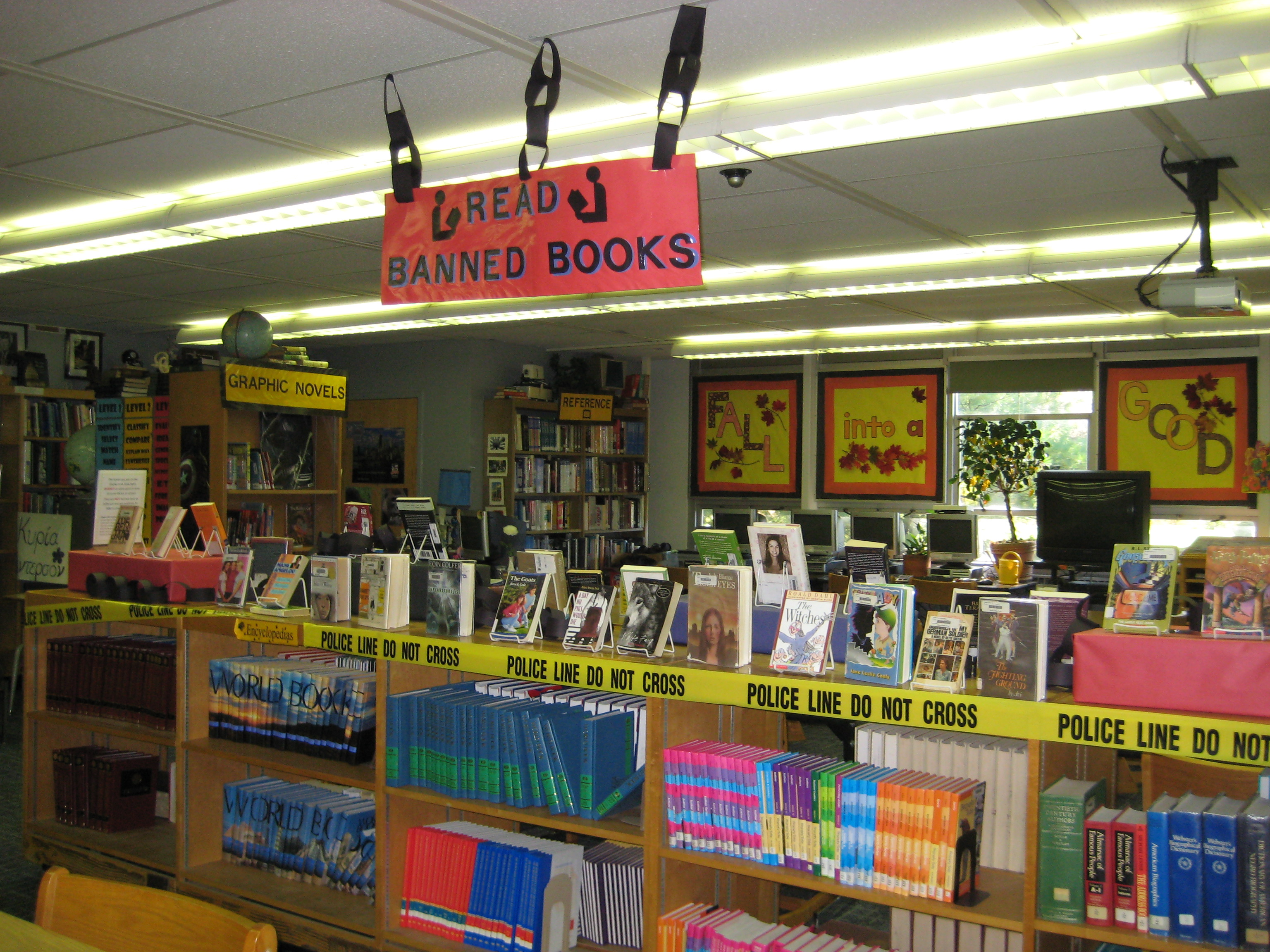
Go ahead and read it, you rebel you. photo credit: covs97 Banned books display via photopin (license)

He was also pretty outspoken against the frequent banning of Grapes of Wrath, for which I am grateful because it was one of the better books I was required to read in high school. And it was the fight over access to that book that led the American Library Association in 1939 to adopt the Library Bill of Rights, a slightly more generalized version of the one created specifically for the Des Moines Library by Forrest Spaulding in November of 1938.

The wording of that document has been tweaked a little through the years, but it’s still going strong and you should click here and read it, because it’s important. Go ahead. I’ll wait.

Image by Prettysleepy from Pixabay

Now, this is more or less an apolitical blog. As a writer who is not apolitical in my personal life, I do try very hard to keep it that way. I think there should be some places where we all can just have fun. But about this one issue I will shout loudly from every corner of every platform I ever have the opportunity to occupy.

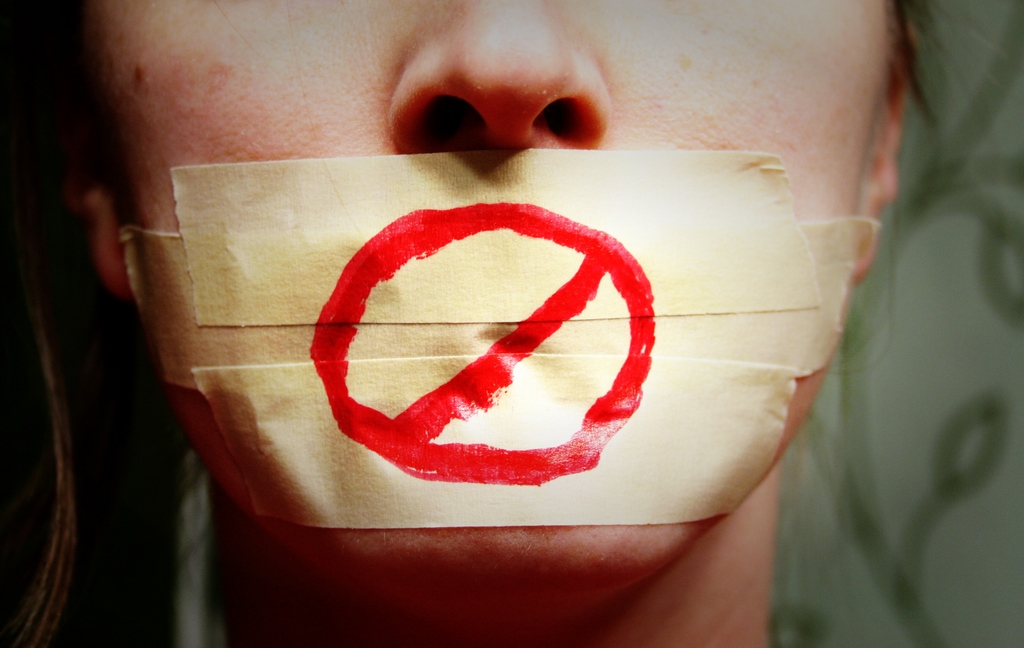
Censorship is the death of freedom. And willfully ignoring or silencing the voices on the other side of an argument only leads to increased violence and instability. That’s not a Democrat or Republican thing. That’s a human thing.

Politically speaking, we’re still going through a rough patch here in the US. It’s been building for a long while and for a lot of reasons and it’s erupted in violence and destructive behavior more in the past few years than it had for quite a while. I think it’s safe to say that no matter our individual political bents, that’s kind of scary.

I remain optimistic that we’ll eventually weather it okay, not without fallout of course, but hopefully with the opportunity to move forward and be better. However, I am absolutely convinced that it will only get rougher if we silence one another.

Librarians are seriously some of my favorite people. photo credit: nataliesap Banned Books Week display via photopin (license)

And so, I ask you, please listen and consider, especially when those you tend to agree with are saying you shouldn’t. Turn on the channels you have a hard time watching, reach out to your friends who post things that make you want to block them, read the books and articles by authors you aren’t sure you trust, and look up the actual wording of the speeches of those politicians you wouldn’t mind seeing thrown out of office.  

Don’t do this because you’ll likely find something to agree with them on. You might. You might not. Don’t do it because it will feel good. Because it probably won’t.

Do it because the humanity of the person on the other side of the argument matters as much as your own. Do it because they don’t really understand how you reached your conclusions, either, and maybe in the act of listening and considering, you both might see that your differing perspectives don’t actually make you all that different from one another.

It’s not too late to be part of the solution, even if we’ve failed in the past.

Forrest Spaulding once disallowed a speech by someone many of his library patrons would have found disagreeable. And by the standards he himself later laid out, that was the wrong thing to do. He then went on to speak out against censorship and was included on the American Library Association’s list of the hundred most important library leaders of the 20th century.

I know you may not think that such a list is a big deal, but I bet that like me, you know a few great librarians. So, consider that Mrs. G., the wonderful children’s librarian in my hometown when I was a kid, is not on that list. This is the woman who listened to me drone on and on about the books she’d probably read a hundred times because she knew that a reader becomes a thinker and a thinker becomes a person who can stand up and speak for the rights of all. That made a difference in my life and, I’m guessing, in a lot of lives. And she’s not even in the top 100.

And this is where I tell you that this morning, I very nearly decided to pull this post and replace it with a sillier, lighter re-run from the Practical Historian archives. Ah, the irony.

But next week will be sillier.

&%#$@!

In 1884, seven-year-old German-born Rudolph Dirks immigrated to the United States with his family and settled in Chicago. A gifted artist, Dirks began doodling comics at an early age and as a young man he moved to New York to seek out employment as an illustrator. Before long, he was hired onto the staff the New York Journal.

At the time, the New York Journal was in a heated circulation war with the rival New York World, which contained one of journalism’s first featured Sunday comic strips, The Yellow Kid. Dirks’s editor asked him to create a comic strip that would compete.

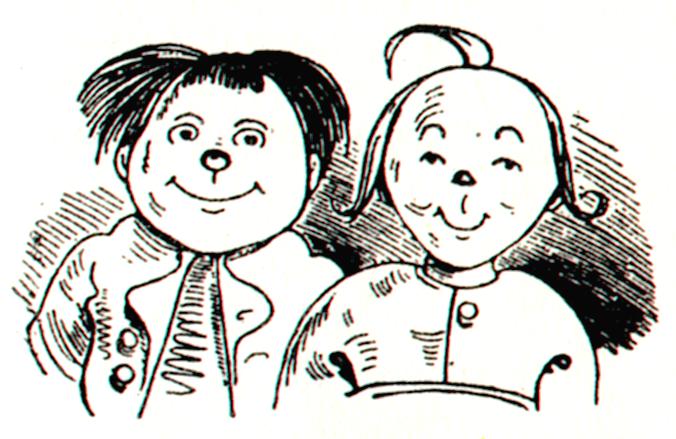
Wilhelm Busch’s Max & Moritz. Public Domain, via Wikimedia Commons

Reaching back to the tales of his childhood, Dirks created Katzenjammer Kids, based on an 1860 illustrated children’s story Max & Moritz by Wilhelm Busch, which tells of a pair of truly naughty boys who engaged in a series of brutal pranks and, in the grand tradition of German stories for children, wound up dying gruesome deaths.

The Katzenjammer Kids, whose names were Hans and Fritz, didn’t share the same terrible fate, but they were naughty. The comic strip consisted of their many shenanigans as they made life terribly difficult for a cast of adult characters that included, among others, their mother, a shipwrecked sailor, and a school official. These adults were sometimes, understandably, frustrated enough to say words that weren’t suitable for Sunday comics.

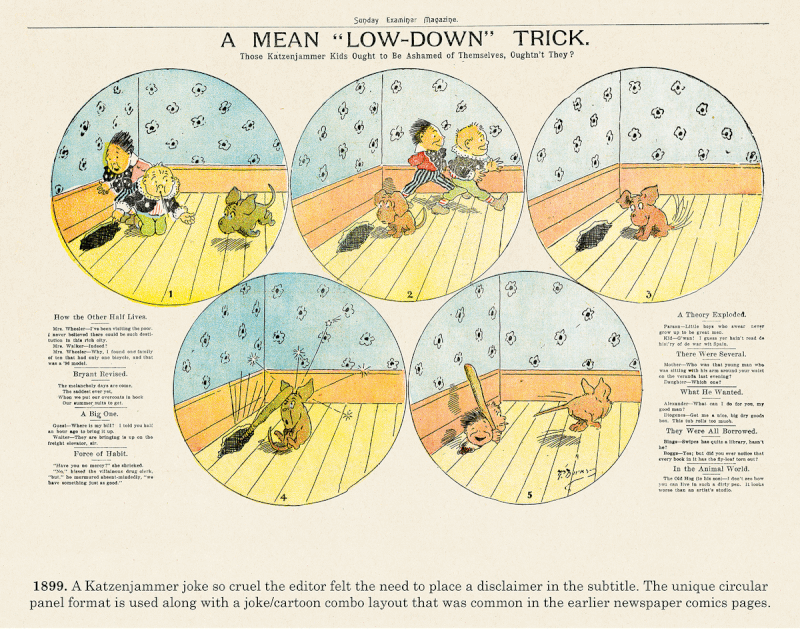
Hans & Fritz, the &#%’n #^%#s. Public Domain, via Wikimedia Commons

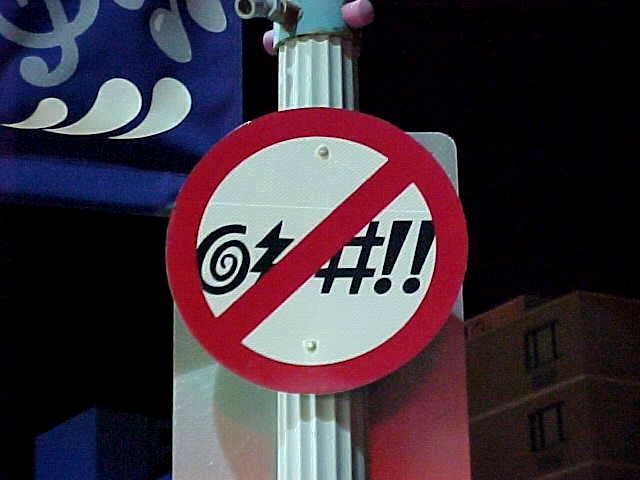
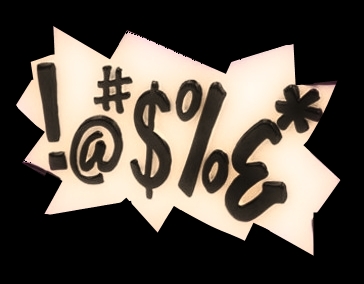
Dirks came up with a pretty clever solution for that. When his characters were wound up and so frustrated they couldn’t think straight enough to reach for better words, they said things like “%&$#!” instead.

The term for this handy little tool in the comic artist’s kit became official in 1964, when Beetle Bailey creator Mort Walker coined the term “grawlix” in an article he wrote for National Cartoonist Society. By then the cartoonist’s version of audio media’s bleep had been in common use since its initial appearance in Katzenjammer Kids in the early 1900s. And I for one, am grateful for that.

I’m not a big fan of profanity in general. I don’t use it much either as a writer or in my personal life. It’s not that I’m particularly shocked or offended by it and I don’t step too far out of the way to avoid it in the writing of others. I’m just aware that profanity seems to be the thing I reach for when it’s probably not the best time for me to speak.

It pops into my head, and if I’m not careful out of my mouth, when I’m angry, frustrated, exhausted, and irrational. When I write fiction, I do occasionally bring a character to that point and in those moments, a well-timed, and rare, use of profanity may be the best way to express his or her emotional state.

But for me, I find I’m usually best served by taking a deep breath and a step back to think about whether or not I need to communicate my feelings at all and if so, how best to do it. After all, according to some estimates, there are nearly a million words in the English language. Even if 800,000 or so of those are essentially obsolete, that still gives me a lot to work with.

Even with all of that at my disposal, I have found it difficult to put together the right words during these past few weeks of unrest in the United States. I’m angry of course; also worried about the future of the nation if we can’t redirect righteous anger into rational conversation and actionable solutions. Oh, and there’s still a pandemic, I think? I kind of just want to say, “&@#%$!”

But then sometimes . . . Public Domain, via Wikimedia Commons

I chose not to post to my blog last week because I realized that probably wouldn’t be that helpful for anyone. I didn’t know what words to send into the blogosphere. I had no comfort to offer readers who are likely feeling some of the same things I am and who maybe aren’t even ready to find comfort. I have prayed a lot and have found a great deal of personal peace in that, but I’m aware not everyone who stumbles across this blog views prayer in the same way I do.

So, a week later I still don’t have the right words. Because even with a million to choose from, sometimes the right one just can’t be found.  Maybe we need some creative person to invent a new term for us. Or maybe we all really do just need to say a collective, “&%#$@!”

And then take a deep breath and a step back.

WU (What’s Up) With this ARE (Acronym-Rich Environment)?

It started out like any morning, with me rushing to get the kids out the door in time for school. That’s been a little harder lately as the days have gotten shorter and the mornings darker. But we were on track. Lunches were sorted, backpacks were loaded, and we were just stepping out into the garage when my 14-year-old son said, “OMG, BRB.”

I don’t know what he’d forgotten (besides the English language), but he ran quickly into his bedroom and back again. We were on our way, still with enough spare time that I could stop and ask, “What?”

Spelling
It’s shocking, really, how much time we waste in classroom teaching kids basic spelling and speaking skills. Like they’ll ever use them IRL. photo credit: PlusLexia.com Spelling via photopin (license)

He rolled his eyes. Probably—it was still kind of dark. “It means ‘be right back.’”

I rolled my eyes. Definitely—because he deserved it. “I KNOW what it means. I just think it makes more sense to speak actual words.”

Yes, I will freely admit that in that moment I sounded like an old person. I might as well have told him his favorite music was nothing but a bunch of loud noise or that he needed a haircut because he looks like a felon. BTW, one of those statements is true.

He shoved his stuff into the car next to his little brother and said, “Everyone uses text speak. It’s a thing you’re probably just going to have to get used to.”

Here I should clarify that my son is not generally disrespectful and this was said with a charming LOL.

And the thing is that the more I thought about it, the more I realized he might actually be right. Language does evolve, usually in ways we don’t really anticipate and, no matter how hard we try, not always for the simpler.

text
I wonder if whatever he’s typing with his thumbs has the recipient responding with a ROTFLUTS. Though personally I’ve never seen anyone rolling on the floor laughing unable to speak because of a text message, I’m sure it happens.

In March of 1906, American steel magnate Andrew Carnegie certainly tried. That’s when he recruited twenty-six influential men of letters to form the Simplified Spelling Board. Included among the membership were Melvil Dewey, who organized all the library books, and Mark Twain, who wrote quite a few of them.

The board combed through some of the most oddly spelled words in the English language to determine when and why they came to be spelled as they did. Then, so as not to confuse a change-resistant American populace, they recommended a list of just three hundred words that could be immediately simplified by influential organizations.

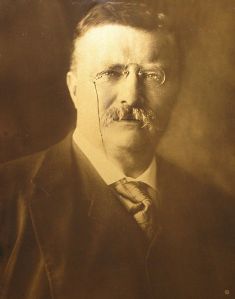
At least one additional powerful man agreed whole-heartedly. In August of 1906, then President Theodore Roosevelt ordered the implementation of the changes throughout all documents coming from the Executive Branch of the US government.

TRoosevelt
President “Rucevelt,” who IMHO may have overreached a little in this instance. Public Domain, via Wikimedia Commons

The press wasn’t having it and launched into sarcastic attacks on “Mr. Rucevelt” and the “notis” he’d taken of this truly important movement. The public largely agreed, and by December of that year, the House of Representatives, controlled by the president’s own Republican Party, issued a resolution supporting their strong preference for established dictionary spellings. They also said Teddy’s hair was too long and his music was too loud.

The president eventually gave up the fight and by 1920, the Simplified Spelling Board had dissolved, leaving behind a Handbook of Simplified Spelling and a nation that wasn’t particularly sorry to see them go.

But, some of those original three hundred new recommended spellings actually did get adopted into American English, including gram instead of gramme, maneuver instead of manoeuvre, and hiccup instead of hiccough. Because language evolves, and I guess I better get used to it.

For now, TYSM for reading and not marking this post TL;DR. I’m going AFK. TTYL.

See? I can evolve.

JK. I don’t textspeak.