Super Foods of Future Past

In the fall of 1902, twelve healthy young men sat down together in a dining room set up in the basement of the former Bureau of Chemistry in Washington D.C. for the first of many meals they would share. The food they ate was whole and healthy, prepared with the finest ingredients, and calculated to meet the specific caloric needs of each individual. Oh, and it was laced with borax.

Dr. Harvey Washington Wiley. Chief Chemist in the United States Department of Agriculture. Food and drug safety enthusiast. Poisoner of young men.

The twelve young men at the table were the first volunteer subjects of a study designed by the Bureau of Chemistry’s Chief Chemist Dr. Harvey Wiley to determine the human health effects of various common additive food preservatives.

Each young hero agreed that for the duration of his participation he would ingest nothing but the food provided him through the study, the only exception being water, which was carefully measured. He also agreed to regular medical examinations, and, of course, he agreed to clean his plate.
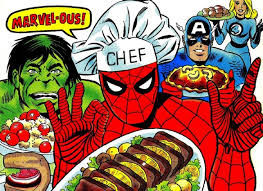
Wait, there isn't any radiated spider venom in this, right? I have the weirdest reaction to that stuff.
Wait, there isn’t any radiated spider venom in this, right? I have the weirdest reaction to that stuff.

At the dawn of the 20th century, Americans were as concerned about the chemicals in their foods as we are in 2014. And with no real regulation, it was nearly as difficult to make good family food decisions as it is today amidst confusing regulation and an overwhelming amount of ever evolving and sometimes conflicting health information.

Then along came Dr. Wiley and his “Poison Squad” as they were soon called by the press. They operated under the motto, “Only the Brave dare eat the fare,” rotating through and testing at various times throughout the five year duration of the study: borax, benzoic acid, sulfur dioxide, formaldehyde, copper sulfate, salicylic acid, and saltpeter.

As soon as a man developed symptoms that inhibited the performance of his daily routine, he was given a minimum of forty days rest during which he ate nutritious food that contained none of the test chemical. But as Dr. Wiley later explained during a hearing before the Committee on Interstate and Foreign Commerce, the study was necessarily limited because unlike with animal testing, he couldn’t cut open his test subjects and examine their organs. Apparently, they wouldn’t agree to that.

So, I don't know what's in that turkey leg, but I don't think it agrees with him.
So, I don’t know what’s in that turkey leg, but I don’t think it agrees with him.

Still, the study and the publicity that accompanied it, helped pave the way for the 1906 Pure Food and Drug Act and for the agency that would emerge officially in 1930 as the Food and Drug Administration. The act addressed fairness in labeling more than the elimination of food dangerous food preservatives, but four of Wiley’s test additives are long since gone from American foods, including borax, salicylic acid, formaldehyde, and copper sulfate.

Thanks to the heroic sacrifices of the poison squad, the food we eat is a little bit safer, which doesn’t seem to do much to ease our minds as we are still at war with all things perceived as unnatural in our foods. Regardless of what diet you subscribe to, be it the Mediterranean, Paleo, Flexitarian, or whatever, the one thing they all pretty much agree on is that you should eat as much real, single-ingredient, “whole” food as you can.

And even the most practical of nutritionists, who caution against adopting a diet so rigid that it’s not workable, agree that this is probably a pretty good idea. But as a mom who does the vast majority of the grocery shopping and as much of the cooking as I can’t get out of, I wanted to know, just what are those whole superfoods my family should be eating?

Turns out Prevention magazine has some suggestions. Actually, there are quite a few lists of the super-est foods of 2014, but I liked this particular list because most of the foods on it were included elsewhere, too, and there were several I’d never heard of before. You just can’t get any more super than that.

Holy Whole Foods, Batman!

A few of my favorite are:

1. Avocado oil – just the oil, not the avocado because it was super a couple of years ago
2. Coffee – some years it’s good; some years it’s bad; this year the price is going up so it’s super
3. Shichimi togarashi – a Japanese spice that is apparently really hot and rich in antioxidants, but way more Hipster-friendly than say, blueberries
4. Salsify – a root vegetable that is low calorie and high in fiber because, you know, it’s a vegetable
5. Za’Atar – a Middle Eastern spice that decreases the instances of foodborne illnesses, kind of like cooking does
6. Teff – a gluten free grain whose biggest claim to healthfulness seems to be that you can’t digest it
7. Canary seed – yep, that’s right, bird seed is a gluten free grain option for people, too, so that in 2014, you have permission to finally eat the way you’ve always wanted to, like a bird. Super.

Um, just no.
Um, just no.

I don’t know what was on the list of super foods in 1906, but I guess I know what wasn’t. Don’t worry, though. No formal follow-up study was ever done on the participants of the poison squad, but anecdotally their health didn’t suffer in the long term. One participant, William O. Robinson of Falls Church, Virginia, passed away in 1979 at the age of 94. I think we have to conclude that his longevity stemmed from the fact that he was so well preserved.

The Real Renaissance: Elves, Fairies, and the Golden Age of Piracy

058

I have long maintained that this is not a serious history blog. Though I do attempt to provide good-ish information, and have generally completed at least some “research” on the topic, I’m a storyteller first and so I often fill in a few blanks along the way. And, on occasion, I may throw in a few anachronisms that you, intelligent reader, I assume will pick up on.

Still, I think it bears repeating, if you are starting your big school history research project and the first thing you’ve done is stop by to see what the practical historian has to say about it, you’re probably not going to get a very good grade.

That’s why I decided recently that I should beef up my credentials a little so that I can provide more reliable, useful information. With that in mind, this past weekend, I attended, for the first time ever, a Renaissance festival. Just for you.

It turns out, I don’t live too far from the site of the annual St. Louis Renaissance Faire, a festival that isn’t the biggest (that’s in Texas where everything is bigger) or best of its kind (or even the top 13 according to the Travel channel), but seemed to me like a good place to start my quest for historical accuracy.

The real Renaissance is that period of time that spans the gap between the Middle Ages and life that is somewhat more recognizable by us modern folk. Generally considered to stretch from the 14th century to the 17th, it started as a cultural explosion in Florence and much like the black plague, spread through all of Europe.

The period is characterized by major shifts in art, science, religion, and education. The people of the Renaissance began to think of the world and of themselves differently. Exactly when and exactly why this shifting began is open to a surprising amount of (kind of hostile, actually) debate among scholars. The whole thing is frankly a little nebulous, so in the interest of making it a little more concrete, here’s what I learned when I visited the fair, set in the 16th Century French Village of Petit Lyon:

  1. There was an enormous amount of cleavage during the Renaissance. Seriously, it was everywhere, breast tissue spilling over the tops of
    Queen Elizabeth I didn't get the memo about the cleavage. Evidently she had no sense of style at all.
    Queen Elizabeth I didn’t get the memo about the cleavage. Evidently she had no sense of style at all.

    incredibly tight corsets. I even saw a too-tight corset paired with a pair of sweatpants. So, evidently, there were also no decent tailors.

  2. The Renaissance can be marked by the presence of elves, although admittedly this could have been only in France. A lot of elves. Many of them had bows. Some wore jester hats and jingling shoes. Still others had too-tight corsets. But though they varied, they could all be easily identified by their very pointy ears.
  3. Bands of singing and dancing Caribbean pirates roamed village streets. They were not the clandestine thieves you might expect, but rather were garishly dressed, self-identified as pirates, and occasionally performed for royalty.

    Someone should probably tell theses "gentlemen" that they belong in the Caribbean in the early 18th century, not in 16th century France. To illustrate the point, Captain Jack Sparrow was there, too, but he was too surrounded by an adoring crowd to get a good picture, as I was unwilling to wait in line.
    Someone should probably tell theses “gentlemen” that they belong in the Caribbean in the early 18th century, not in 16th century France. To illustrate the point, Captain Jack Sparrow was there, too, but he was too surrounded by an adoring crowd to get a good picture, as I was unwilling to wait in line.
  4. The waffle cone, suggested by many to have been invented at the 1904 St. Louis World’s Fair, was a favorite treat of European royalty during the Renaissance.
  5. If one could manage to avoid the elves, there was still the large number of fairies to contend with. So many fairies, complete with delicate wings, blue-tinted skin, high-pitched sugary voices, and sparkly magical fairy dust. It was best to avoid these whenever possible.
  6. Jousting knights mostly told jokes, especially puns. They loved puns. They also enjoyed insulting the attending royalty, who were pretty much cool with it.
  7. The most popular food of 16th century France was by far the turkey leg. As most sources claim that the turkey, which is native to the Americas, arrived in Europe in the 17th Century, I think we can safely assume that those sources are wrong.

    Anachronism tastes delicious!
    Anachronism tastes delicious!
  8. King Francois II of France did not speak French. I know this because my nine-year-old who only knows a few French phrases had the opportunity to be knighted. When the king addressed him in French, my boy responded politely in the king’s own tongue, to which King Francois blushed and quickly changed the subject, in English.

So there you have it, the real Renaissance as best as I can tell. I should caution you, though. If you happen to be starting your big school history project on 16th century France or the Renaissance in general and you start by checking out the St. Louis Renaissance Faire, you’re probably not going to get a very good grade. Unless of course you happen to be writing about elves and fairies. In that case, you should be good.

Go, Go Bananas!

Last week I received some exciting news from WordPress. I’ve been at this blogging thing for a little over two years now, posting once a week about history (sort of) and sharing bits of my experiences. And apparently last Thursday I published my 100th post.

Okay, so the number is a little inflated because I have reposted a couple of times. And, yes, if you know how many weeks there are in a year, then I’m sure you’ve realized I’ve missed a few weeks here or there. I am aware that many bloggers out there are way more productive than I am, posting two or three times a week. Some even post every single day!

That’s more than I can commit to because I’m a wife and mother and fiction writer, too. All of that comes first for me. But also because as shallow as my “research” often really is, it takes a fair bit of thought to put one of my posts together.

So when I saw that I’d posted 100 times to this blog, I was pretty excited. I wanted to celebrate. The question then, was how does one celebrate such an accomplishment?

Well, I thought about that, fielded a few suggestions from Facebook (mostly ice cream) and decided there’s really only one way to celebrate something this big: with BANANAS.

It even looks like a smile.

In 1876, the United States celebrated the 100th anniversary of the signing of the Declaration of Independence by throwing a big party on a world stage. The Centennial Exposition of 1876 was the first World’s Fair to be hosted on American soil. It started May 10 in the host city of Philadelphia and ran for six months, including around 30,000 exhibits and welcoming a whopping 10 million visitors.

The Exposition was more than a celebration of America’s past. It was a declaration to the world that the nation was emerging as an industrial leader and world power. And it was an opportunity for visitors to experience first-hand the cutting edge of cool.

Among the exhibits was a 50-foot-tall Corliss steam engine, a travel bathtub, a 2000-pound mechanical calculator, the first commercial root beer, the arm and torch that would eventually grace the Statue of Liberty, some device called a “telephone” invented by a fella named Bell, and the first bananas available to the public in the United States.

I think it's pretty safe to assume that the 1876 Centennial Exposition also introduced the world to the banana phone.   photo credit: bhardy via photopin cc
I think it’s pretty safe to assume that the 1876 Centennial Exposition also introduced the world to the banana phone. photo credit: bhardy via photopin cc

Originating in Southeast Asia, bananas were cultivated possibly as early as 1000 BC. They came to the New World in 1516 where they were planted by a Spanish priest Tomás de Berlanga who later took them into Panama. The fruit spread rapidly through Central and South America, but it didn’t make the journey to the US until the 1870’s.

So when banana trees (actually according to most persnickety Internet “experts” the plants are technically herbs) went on display at the Exposition on June 5th and the fruits (or, again, for the persnickety, the berries) could be purchased for 10 cents each, wrapped in aluminum foil and eaten with a fork, Americans were smitten.

Clearly NOT a tree.
Clearly NOT a tree.

In the 138 years since, bananas have grown to be the most often consumed fruit in the United States. That’s despite the insistence of some fitness “experts” (whom I’m assuming are also persnickety) that these nutrient rich, portable, fiber-rich, low-fat super fruits are somehow bad for us.

So, I know I haven’t been posting for 100 years and I think it unlikely that this silly little blog will ever emerge as a dominant world power, but I’ve decided that I’m going to celebrate 100 practical history posts Centennial Exposition style anyway.

And because I also value the opinions of my friends, I think I’ll have ice cream, too.

Now we're talking!
Now we’re talking!

Without a Driver in Mind: The Google Doodlebug

On February 7, 1661, at the tender age of seven, the Kangxi Emeror who would become the longest reigning emperor in history, ascended to China’s throne. It would be another six years before he managed to seize full control from his regents, but when he did, he proved to be a successful ruler.

Part of the reason for this, I have to think, is that he had at least one really smart friend. You know that friend, right? He’s the (kind of nerdy) one who seems to know at least a little bit about everything and can come up with solutions to any problem.

For the young emperor, that friend was a Jesuit priest named Ferdinand Verbiest who was serving as a missionary in China. Verbiest became a favorite teacher, tutoring the emperor in geometry, philosophy, and music.

Ferdinand Verbiest, Jesuit (1623-1666)

He spoke more than six languages, wrote more than thirty books, designed and oversaw construction of an aqueduct, was a capable cartographer, used fancy European astronomical gadgetry to correct the Chinese calendar, and rebuilt and headed the Beijing Ancient Observatory. In a day before everyone had the ability to google the answer to any question, a guy like Verbiest was pretty handy to have around.

And then to top it all off, he constructed a totally cool toy to impress the Kangxi Emeror, because what’s a know-it-all nerdy friend without a few impressive gadgety toys?

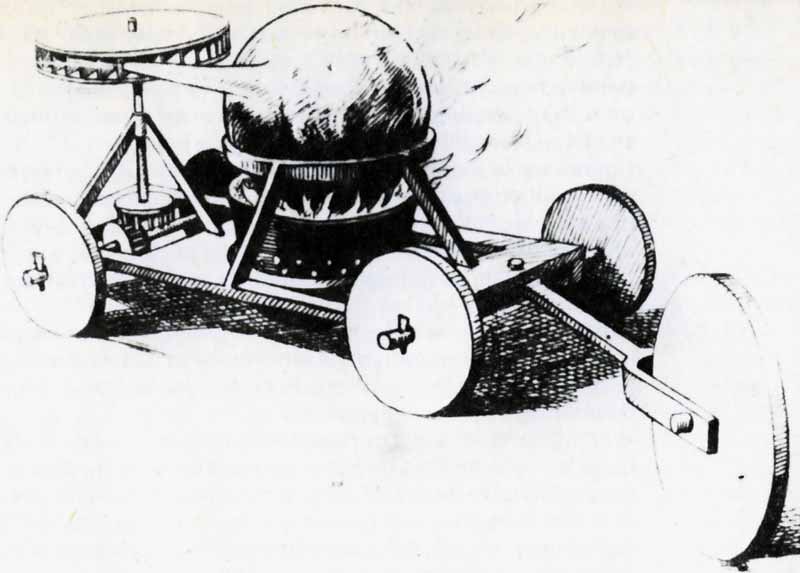
What Verbiest designed was a steam-powered vehicle. It was designed without a driver in mind as it was only a little over 25 inches long and though he describes it in his book Astronomia Europea, it’s not clear whether or not he ever built it. Still (not to take any credit away from Karl Benz) this may have been, at least in concept, the world’s first ever self-propelled “car.”

SteamMachineOfVerbiestIn1678

So let’s skip ahead a few centuries. I don’t know whether or not you yourself have one of those nerdy know-it-all friends like Verbiest, but fortunately, we all have access to one. In our house, we call him “Google.” Thanks to our smart phones this “friend” now goes with us everywhere and he knows (or at least he thinks he does) pretty much everything about anything.

photo credit: Mez Love via photopin cc

Of course you do have to be a little careful because he can’t always be counted on to give you an entirely correct answer. For example, you might ask him who invented the first car and he’ll direct you to some silly blog post about Ferdinand Verbiest, which you should probably just ignore.

But he has held up his end of the nerdy know-it-all friend bargain in the gadgety toy department. After all he did make you a pair of glasses that allow you to pretend to be the Terminator. And now he’s made you a self-propelled car that is designed without a driver in mind.

Just yesterday, Google announced that this summer, it will have about a hundred prototype vehicles ready for testing, without a gas pedal, steering wheel, or brake pedal among them. But don’t worry, your friend Google isn’t a complete idiot. He will include two seatbelts just in case some irresponsible driver of a regular old human-controlled car slams into you.

The new self-driving car seats two, won’t go over 25 miles per hour, and, frankly, looks kind of like a toy. Google hasn’t released a name yet for its newest gadget. I’m thinking it should be the Google Doodlebug. I’m also thinking, I probably won’t be lining up to drive ride in one any time soon.

A MOM, A RACECAR, A KAYAK—BLOG POST! DANG IT!

If you spend much time on social media, then I’m sure I’m not the first person to wish you a happy palindrome week. In fact, I’m kind of late since it started last Thursday (4-10-14) and will be over after this Saturday (4-19-14). Of course it only works if you write the date like we do here in the US, with month/day/last two digits of the year, but I think you’re probably welcome to celebrate even if you prefer your dates in a different order.

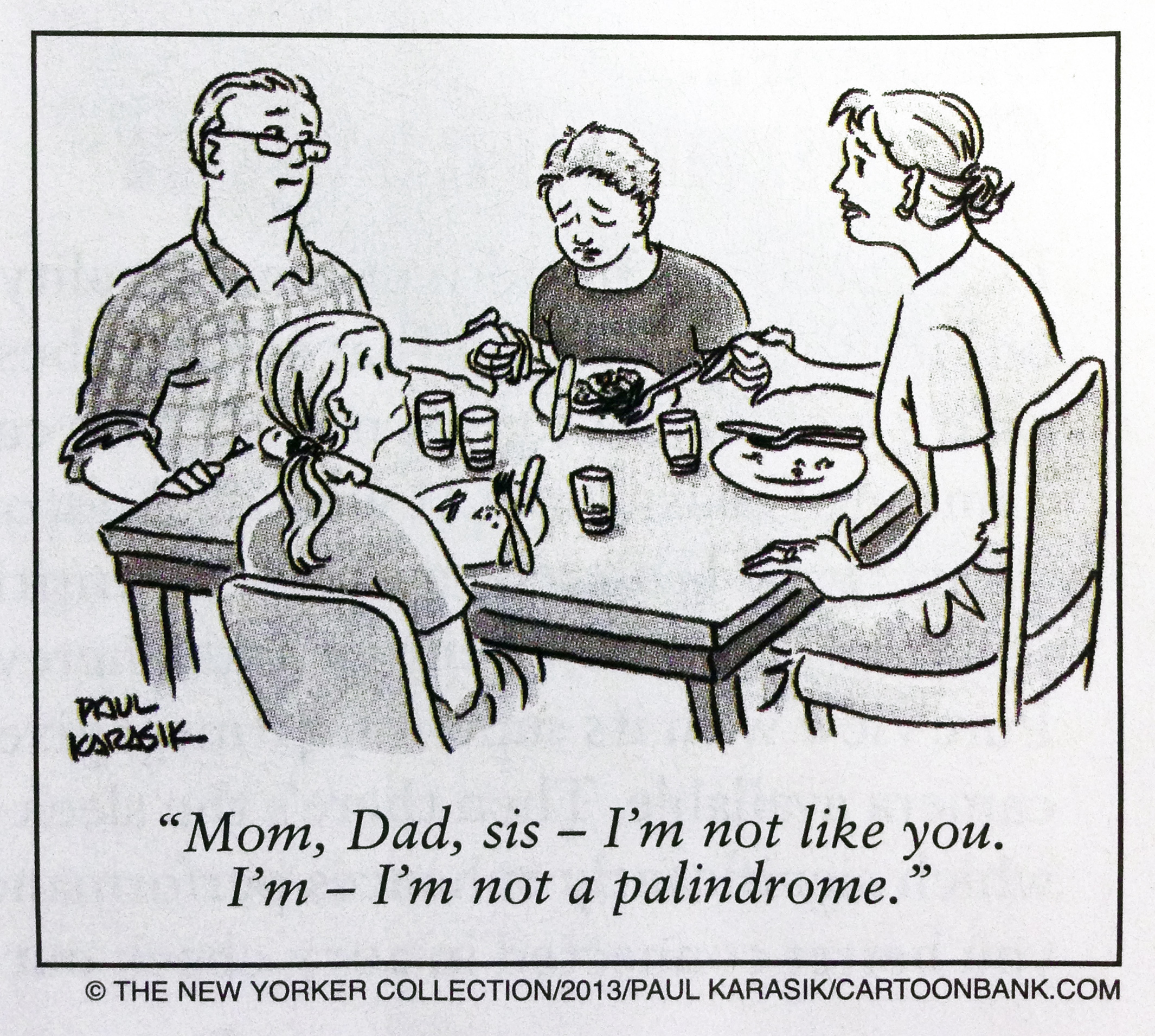
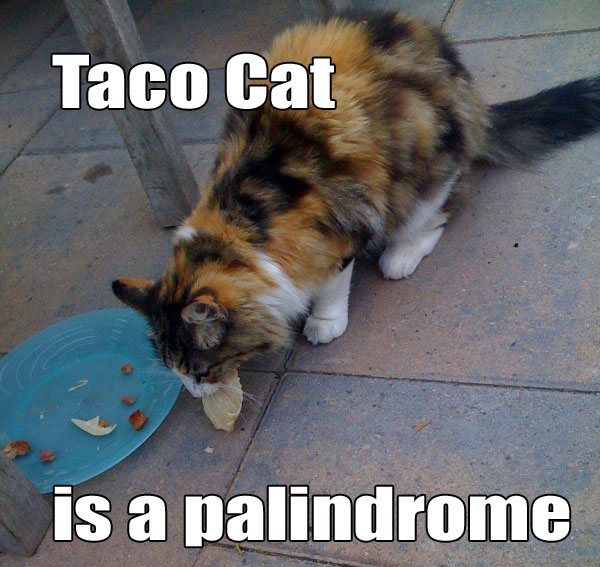
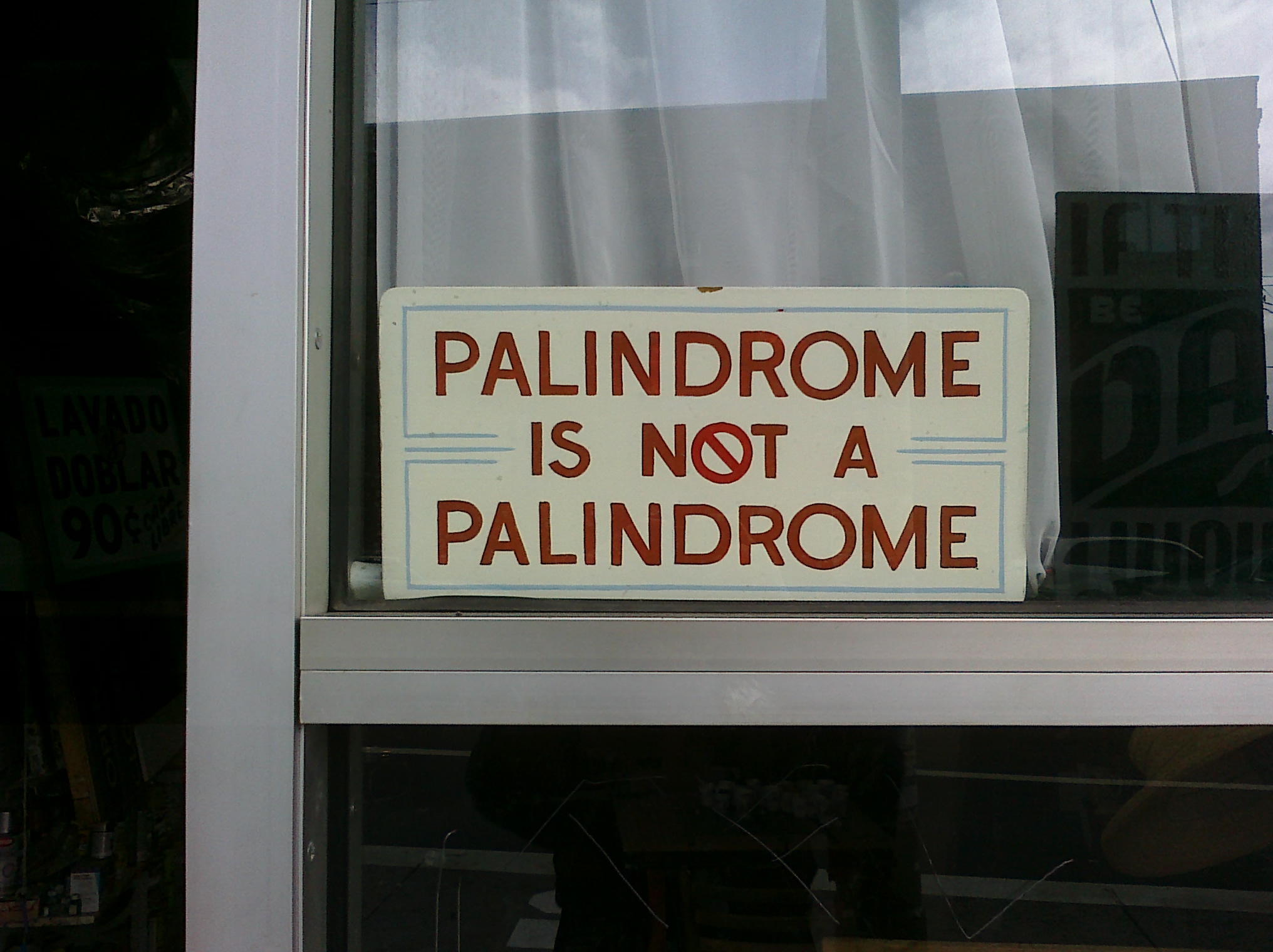
In case you are unfamiliar with the word “palindrome,” it refers to a word or phrase that is written the same forward and backwards. A few examples are “mom,” “racecar,” and “kayak.” You get the idea. Word nerds are fascinated by them, they’ve been around for millennia, and there are examples of them in almost every language on earth.

photo credit: Brett Jordan via photopin cc

But because it can be quite a challenge to come up with a palindrome and because the longer they are, the more nonsensical they tend to be, there are a handful of highly celebrated ones from the minds of some very clever individuals with far too much time on their hands. One of the most noted in English comes from Leigh Mercer (also celebrated for his mathematical limericks, as I’m sure you were already aware) who published in the November 13, 1948 issue of Notes & Queries: “A man, a plan, a canal – Panama!”

And boy did that get the word nerds buzzing with excitement. Mercer’s palindrome spawned numerous spin-offs, including, but certainly not limited to:

“A man, a plan, a cat, a canal – Panama!”

“A man, a plan, a cat, a ham, a yak, a yam, a hat, a canal – Panama!”

And my personal favorite: “A man, a plan, a canoe, pasta, heros, rajahs, a coloratura, maps, snipe, percale, macaroni, a gag, a banana bag, a tan, a tag, a banana bag again (or a camel), a crepe, pins, Spam, a rut, a Rolo, cash, a jar, sore hats, a peon, a canal – Panama!”

photo credit: shannonrosa via photopin cc

All of this nerdy word fun is generally traced back to a poet of Ancient Greece named Sotades who is credited with making the palindrome a thing. He lived during the reign of Ptolemy II in the 3rd century BC and history remembers him best as Sotades the Obscene, since the majority of his poems began “There once was a man from Nantucket.”

Eventually, Sotades decided to turn his poetic attention to the love life of Ptolemy II, which was something of a hot mess. The king didn’t like the attention and had the poet arrested and, eventually, wrapped in lead and thrown into the sea.

Despite his untimely end and the questionable subject of his poems, Sotades is remembered as a genius with words, once allegedly rewriting the Iliad in palindromic verse, presumably changing the setting to Panama. Unfortunately, I can’t post any of the poet’s work here mostly because this is a family-friendly blog, but also because it was lost to history (possibly wrapped in lead and thrown into the sea).

photo credit: engnr_chik via photopin cc

But his legacy has been carried on by people like Mercer and by comedian and wordplay enthusiast Demitri Martin who recently penned a 500 word palindromic poem that mentions neither Panama nor Nantucket, but is, in the tradition of Sotades the Obscene, too dirty to post on this blog. Still, it’s a pretty impressive work, because, it turns out palindrom-ing is not as easy as it looks…Dang it!

Worth Its Weight in Emeralds

About a month ago, I irreparably broke my favorite pair of sunglasses. So that you might understand the implications of this event in my life, I should explain, I’m not really what you might call a sunglasses person.

Of course I find them useful when driving west during sunset. And if I’m going to be hanging out poolside in the summer sun for a few hours with the kiddos, I would prefer to do so while wearing a pair, but I am not the type of gal who runs out to buy the season’s hottest shades in a variety of colors to match my closetful of sundresses. I’m not really a sundress person either.

I could never pull off this look. I'm also not a sun hat person.   photo credit: nickel.media via photopin cc
I could never pull off this look. I’m also not a sun hat person. photo credit: nickel.media via photopin cc

Despite that, I have owned many pairs of sunglasses in my lifetime and because I inevitably lose them, I never spend much money on them. So while I may go through as many pairs as your average Hollywood starlet, they probably don’t match the lone sundress hanging in my closet.

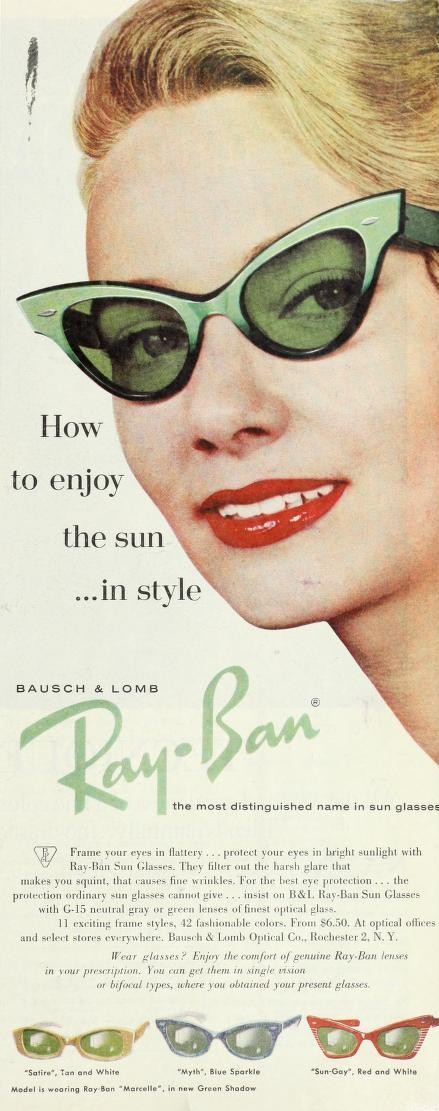
But this broken pair was different. You see after many years of encouragement from eye care professionals, I finally had an optometrist who got through to me. Basically, he told me that if I wanted eye cancer, then by all means, I should keep wearing cheap shades, but that if I preferred to live eye cancer-free I should buy overpriced sunglasses from him.

I bought the sunglasses.

I learned a few things from the experience:

  1. Unless you need prescription lenses, never ever buy sunglasses from an optometrist. Or maybe it’s just that mine was the Darth Vader of optometry, but yikes, that’s a markup!
  2. It’s amazing how easy it is to keep track of a pair of sunglasses when it represents more than a casual $10 investment.
  3. I look much better in a sundress when I’m not squinting.
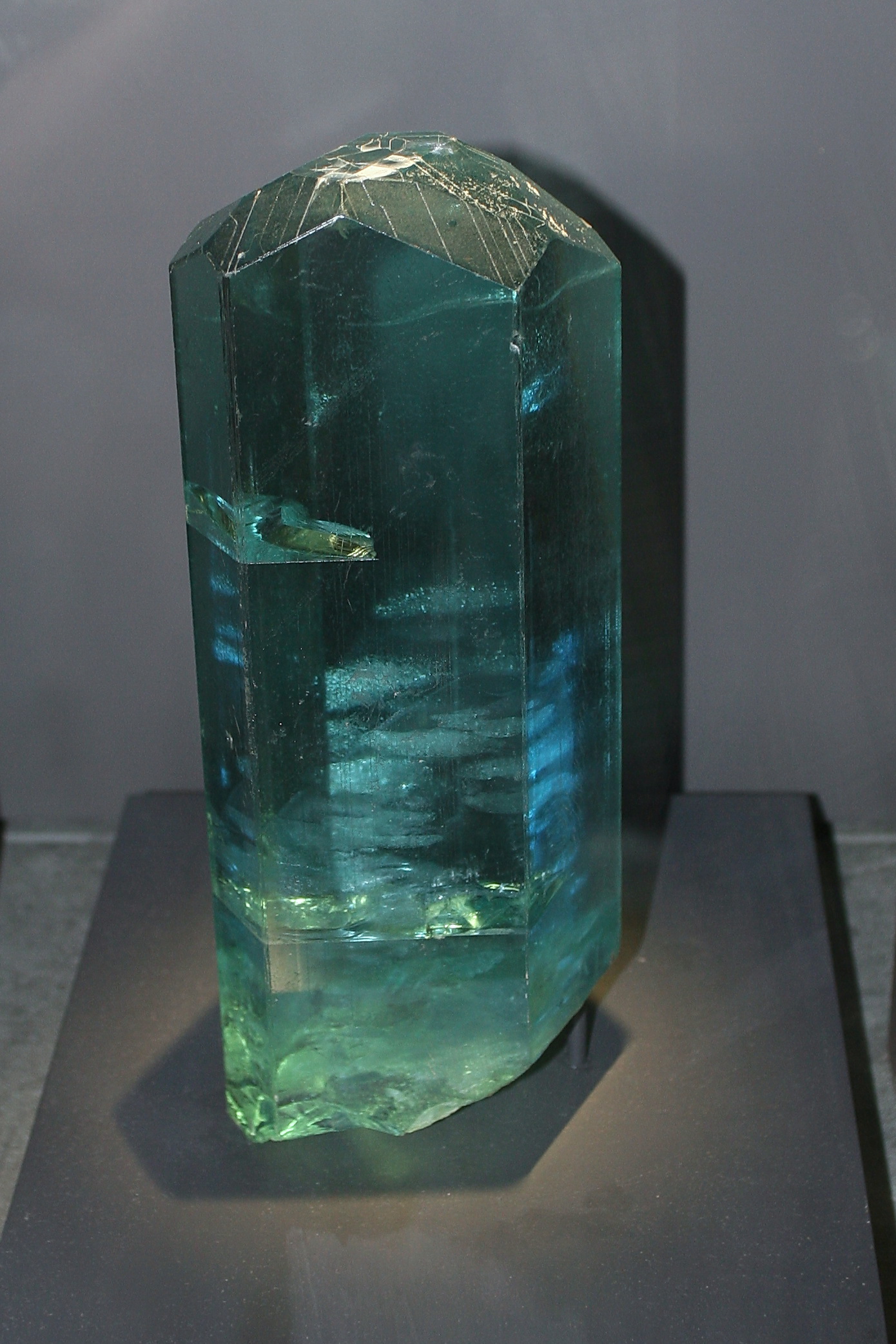
  4. A good pair of sunglasses is worth its weight in emeralds.
I find your lack of expensive sunglasses disturbing.  photo credit: Scott Smith (SRisonS) via photopin cc
I find your lack of expensive sunglasses disturbing. photo credit: Scott Smith (SRisonS) via photopin cc

This last point was even well-understood by Emperor Nero of first-century Rome who, though not described by his contemporaries as a very nice guy, was, according to Pliny the Elder, the proud owner of a nice pair of emerald shades. Or something like them anyway.

Pliny, who wrote about emeralds (in my favorite translation) that “nothing greens greener,” subscribed to the then commonly held notion that the color green was gentle on the eye and that emeralds in particular might aid in the rehabilitation of eyestrain and poor sight. So it stands to reason, then, that Nero who is known to have been nearsighted, might use emeralds, or as some have suggested, one very large emerald as a sort of looking glass to help him see better at gladiatorial contests.

photo credit: cliff1066™ via photopin cc
And I thought my sunglasses were expensive. photo credit: cliff1066™ via photopin cc

At this point you might be asking, how exactly did that work? Well, I’m not sure it did. First of all, though many sunglass historians (a very narrow field) have claimed Pliny’s reference to Nero’s strange behavior as a part of sunglass history, Pliny seems actually to have suggested that Nero used the emerald as a reflective surface in which to watch the gladiator battles (the first mirrored sunglasses?) rather than as a lens through which to view them.

Retro 1st-Century gladiator viewing emerald lenses. Some things never go out of style.   photo credit: The Bees Knees Daily via photopin cc
Retro 1st-Century gladiator viewing emerald lenses. Some things never go out of style. photo credit: The Bees Knees Daily via photopin cc

And then there’s Dr. David Wood, a classics professor at University College Cork in Ireland who had the audacity a few years back to suggest (fairly convincingly) that Pliny just might have misunderstood the whole bit about Nero’s amazing green goggles. The wording used by other historians of the day could have been interpreted to suggest that Nero watched the games through a slit in a curtain (the precursor of 1980’s shutter glasses) in order to hide the fact that he was too busy tweeting to pay attention.

Apparently Pliny (who didn’t seem to like Nero much) didn’t bother checking the facts. In another time, he would have made a decent practical history blogger, or, perhaps, the world’s most celebrated sunglass historian. We may never know for sure whether Nero rocked a great pair of shades, or a stylish monocle, or a weird concave green mirror type thing, because, of course, history lost them.

What I do know for sure is that over the next few weeks, spring will really be in full bloom here and after that will come summer days filled with sunshine, lazy days at the pool, and maybe even a few sundresses. With that in mind I finally ordered a new pair of sunglasses. They are coming from the same company as the broken ones, a very similar style, at about ¼ of the price I paid in Dr. Darth Vader’s office. Regardless of how much I paid for it, though, I remain convinced that a good pair of sunglasses is worth its weight in emeralds.

Orange Balls and Red Gatorade

Like many American households, ours will be dedicated this weekend to the sport of basketball. My nine-year-old has his final game of the season on Saturday and unlike with other sports seasons he’s had, I’m a little sad to see this one end.

It’s not that I don’t enjoy being the mom who makes it on time to all the practices with a water bottle for my kid and an extra for yours in case he forgot (because I’m the super mom), brings after-game snacks complete with little bottles of red Gatorade (because I’m the cool mom), never argues with the bonehead coach or the most likely blind ref (because I’m the respectful mom), or chants elaborate rhyming cheers (because I’m the most embarrassing mom in the world).

Pardon me, sir, for daring to suggest that my grandma would be a better ref than you. I mean no offense, of course. She's really quite spry for 95 and only completely blind in one eye. photo credit: HPUPhotogStudent via photopin cc
Pardon me, sir, for daring to suggest that my grandma would be a better ref than you. I mean no offense, of course. She’s really quite spry for 95 and only completely blind in one eye.
photo credit: HPUPhotogStudent via photopin cc

It’s just that this basketball season was the first time my kiddo, who is brilliant, but also big for his age and a little awkwardly coordinated, has seemed to really enjoy playing a sport (now if only he could ditch his embarrassing mom). He’s always liked the social aspect of being on a team, but this is the first time that tiny details like rules, skills, strategy, and competition have entered the equation for him.

I’m grateful for a couple of reasons. First, I actually like and understand basketball. Second, it’s one of those great indoor cold-weather sports that keeps him active during even the most brutal winter (this one).

And it turns out, that’s exactly why the sport exists to begin with. Because in 1891, a teacher at the YMCA International Training School in Springfield, Massachusetts by the name of James Naismith, needed a way to keep his class of 18 young athletes in good physical condition, as well as a way to keep them from driving him completely insane during the indoor months of a brutal New England winter.

What he came up with was a game with 13 rules in which two teams of nine players each had to pass a soccer ball up and down the gym floor and score goals by tossing the ball into peach baskets nailed onto the edge of the gymnasium balcony. After having to stop play and get out a ladder to retrieve the ball a few hundred too many times, someone was finally smart enough to cut the bottoms out of the baskets and the game started to gain some traction.

And you thought the jump ball slowed down the game too much. photo credit: monkeywing via photopin cc
And you thought the jump ball slowed down the game too much.
photo credit: monkeywing via photopin cc

Actually, it spread incredibly quickly through the YMCA system and soon enough to college campuses where the rules were tweaked until on March 20, 1897, the first 5-on-5 intercollegiate basketball game was held between Yale and the University of Pennsylvania. In case you care (I don’t), Yale won 32-10.

Obviously basketball has grown and changed a lot since those earliest games. Players now dribble the ball (except in the NBA) and the sport can now claim its very own ball that though roughly the size of a soccer ball is much more orange. The peach baskets too have been replaced with metal rims on backboards and nets that make a pleasant swooshing sound.

Because nothing says "This is a real sport" like an orange ball. photo credit: arbyreed via photopin cc
Because nothing says “This is a real sport” like an orange ball.
photo credit: arbyreed via photopin cc

And as the players get more skilled and taller (the average NBA player is now well over ten feet tall), and the game becomes too easy and therefore boring to watch, the rules will continue to change. I’m sure my son will keep track of them all because he likes basketball. And he even kind of gets it, which is a great source of joy for my husband, because I hear that in addition to my son’s game, there may be a few other ones to watch this weekend as well.

Frankly, I probably won’t pay a lot of attention to those other games. I didn’t fill out a billion dollar bracket because I really only cheer for two, or possibly three college teams, when I happen to catch them on television. None of them are in the tournament this year. But I bet all the players who are participating will manage just fine without me because I have no doubt their moms will be there with extra water bottles, elaborate rhyming cheers, and a snack with a little bottle of celebratory red Gatorade for after the game.

The celebratory sports beverage of choice for kids with cool moms.   photo credit: Lorianne DiSabato via photopin cc
The celebratory sports beverage of choice for kids with cool moms.
photo credit: Lorianne DiSabato via photopin cc

It’s Only Wafer Thin

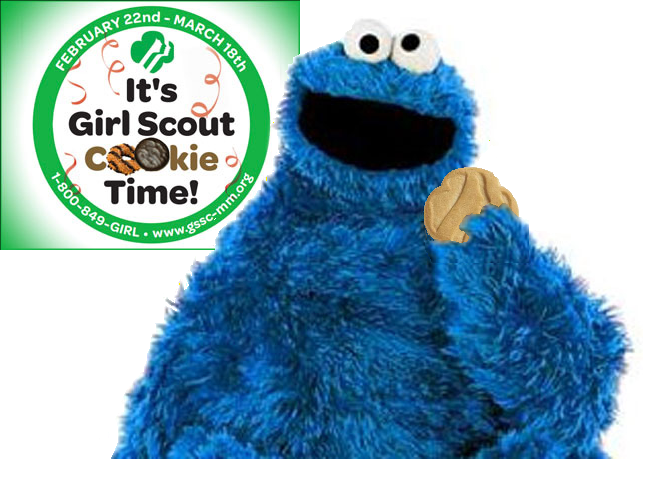
Right now in my freezer, I am proud to report, there is still one full sleeve of Girl Scout Thin Mint Cookies. One afternoon right at the end of January, an adorable little neighbor girl showed up on our doorstep peddling the irresistible treats. And I wasn’t home. I say this because I don’t want to accept the blame for the ridiculous number of boxes we purchased.

You see, my husband is a sucker very generous man, one of the many reasons I love him so much. He also has a competitive streak so when that shrewd little neighbor girl told him her dad had ordered seven boxes of Thin Mints, my man ordered EIGHT BOXES. The trouble with this is that he doesn’t eat them. He doesn’t even like them; he just knows I do. He did  also order a box of his favorite Samoas, which is currently unopened in the pantry, but mainly he ordered cookies for me.

Oh, no, no. I just meant one of the little green boxes. Oh, okay, I'll just take them all. photo credit: Brother O'Mara via photopin cc
Oh, no, no. I just meant one of the little green boxes. Oh, okay, I’ll just take them all.
photo credit: Brother O’Mara via photopin cc

Sweet, right? But as any little scout savvy enough to set up a sales table outside a marijuana clinic or to pit one competitive neighbor against another can tell you, these things are addictive. It’s true that according to the FAQ page linked to the Girl Scouts of America website: “Girl Scout Cookies…are considered a snack or special treat. As with all treats, they should be enjoyed in moderation.”

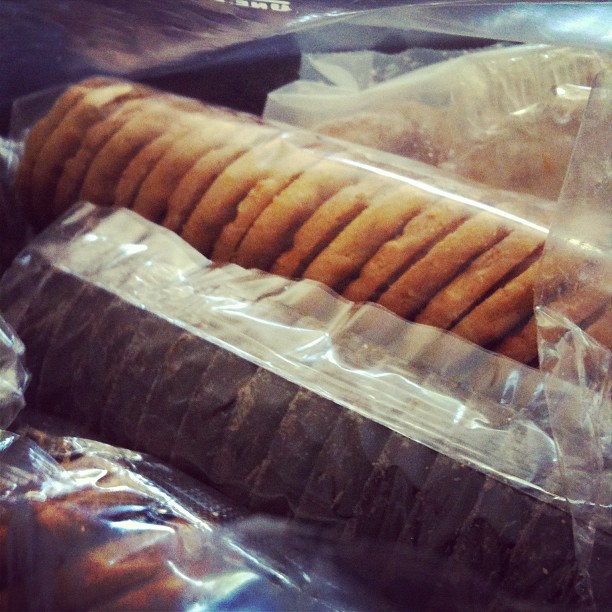
Of course. That makes sense. It’s good advice. I won’t sit down and eat the entire box, then. I’ll just eat one of the two little sleeves of wafer thin cookies. For now. Then I’ll have a glass of milk. And maybe the other sleeve of cookies, since the box is already open.

And that’s why I don’t order eight boxes.

It’s also the reason that since its humble beginnings as a 1917 fundraising bake sale for the Mistletoe Scout Troop in Muskogee, Oklahoma, the sale of Girl Scout cookies has grown to staggering annual sales of over $700 million. Ten years after Juliette Gordon Low founded the Girl Scouts and just five years after that local cookie fundraiser in Oklahoma, Chicago Girl Scout leader Florence E. Neil put together an inexpensive cookie recipe for the organization’s magazine, The American Girl, encouraging local troops to sell the cookies to raise activity funds.

And even though the original 1922 Girls Scout cookie recipe wasn’t the Thin Mint, the program flourished. In 1936 Girl Scouts started working with a number of commercial bakeries across the country to supply the growing demand for their cookies, which by 1951 came in three delicious varieties: Do-Si-Dos (peanut butter sandwich cookies), Trefoils (shortbread), and at long last, Thin Mints.

There is absolutley no reason to sit down and eat a whole box of Girl Scout Cookies at once. Not when they come so nicely packages in 1/2 box serving sizes. photo credit: elaine a via photopin cc
There is absolutley no reason to sit down and eat a whole box of Girl Scout Cookies at once. Not when they come so nicely packaged in 1/2 box serving sizes. photo credit: elaine a via photopin cc

Gradually, Girl Scouts consolidated their cookie sources and today the ones you buy because cute little girls are standing in the cold right outside your favorite grocery store and you suspect they might not be allowed to go home until their cookie table is empty, come from one of two commercial bakers. Each bakery is required by the Girl Scouts to produce the three varieties standardized in 1951, but then select five more varieties to offer every year. The recipes are similar between the bakeries, but not identical, and the names may be different as well. So, if like my husband, you for some reason just love Samoas (actually the second best seller in the catalog), don’t be too upset if you find you have to settle for a box of Caramel deLites instead.

Thankfully, Thin Mints are always Thin Mints so there’s no confusion there, and I’m not the only one who likes them. As the top-selling Girl Scout Cookie, Thin Mints make up 25% of sales every year, most of them going to residents of my neighborhood. I am fortunate that even though my husband isn’t a big fan, my two sons enjoy them as much as I do, so I’ve managed to go through several packages by doling them out in lunch bags. I’ve mailed a couple more boxes in college care packages and I put the rest in the freezer.

Sadly, that last solution doesn’t work out all that well, because the only thing tastier than a Thin Mint is a frozen Thin Mint. And the only thing tastier than that is a sleeve of frozen Thin Mints. I’m not thinking the last cookies are going to make it into lunches tomorrow. I wonder how the boys would feel about getting Samoas instead.

I bet he'd rather have a Thin Mint. photo credit: Mike Licht, NotionsCapital.com via photopin cc
I bet he’d rather have a Thin Mint. photo credit: Mike Licht, NotionsCapital.com via photopin cc

Bouncing Ideas Around

My oldest son, a bright nine-year-old with big dreams, wants more than anything to be an inventor when he grows up. And having watched him design and build, and redesign and build better since he was old enough to know blocks could be more useful in his hands than in his mouth, I have no doubt he will succeed in doing just that.

Actually I think if he could just wear a lab coat to work, he might be completely happy. photo credit: philentropist via photopin cc

The trouble is he isn’t quite sure what to invent. He still lives in a nine-year-old’s world and thankfully, from his perspective, life is pretty good. So one of his favorite questions to ask people is whether they have a problem he can solve with an invention.

This approach hasn’t led yet to much inspiration, but I think he’s on the right track because many of the most important inventions in history have occurred specifically because the world had a problem and it needed the inventors to step in and solve it. And, of course, I have to assume that when I say “important”, your mind jumps immediately to silly putty.

In WWII Japan rushed to seize rubber plantations throughout Southeast Asia. This made a lot of sense strategically because rubber is an important resource for armies which need it for tires, rafts, boots, and all kinds of army type things. But this created a big problem for the US that got 90% of its rubber from Southeast Asia.

The call went out to the American public to conserve and to donate any spare rubber they may possess. The public responded, turning in old boots, rain coats, and garden hoses. The Boy Scouts of America chipped in by collecting 54,000 tons of scrap tires in just the first few weeks of the shortage.

It's possible that this boot could be put to better use.    photo credit: runran via photopin cc
It’s possible that this boot could be put to better use. photo credit: runran via photopin cc

But conservation alone couldn’t solve the problem and so the word was sent out to the inventors that we needed a good, cheap, synthetic rubber material and we needed it fast. Industry in the US and around the world had been working on a synthetic rubber for about fifty years with some small scale successes, but nothing that could supply the wartime need. It was Waldo Semon of B.F. Goodrich that produced a substance that could fill the gap. And if this blog were as practical as it claims, this post would probably be about him.

Instead it’s about a General Electric scientist by the name of James Wright who in 1943 made a rubbery putty that bounced even better than natural rubber, that stretched if pulled slowly, broke if twisted quickly, and picked up petroleum-based newspaper ink. And if left on a lab table, it puddled. This last characteristic made it unlikely as a candidate for use in effective tires, but Wright still thought it was pretty cool.

Frustrated that he couldn’t find a good use for it beyond impressing his friends at parties, Wright consulted with fellow inventors throughout the world who all said it also impressed their friends at parties.

Eventually the substance came to the attention of Peter Hodgson, a marketing specialist who had worked with a toy store owner that briefly, and somewhat successfully, included the substance in her catalog.  Hodgson saw potential and bought the production rights from General Electric for $147.

Stringy. Bouncy. Gooey. Not good for making tires.   photo credit: Hometown Beauty via photopin cc
Stringy. Bouncy. Gooey. Not good for making tires. photo credit: Hometown Beauty via photopin cc

With Easter coming up, Hodgson named the stuff “Silly Putty,” packaged it in small plastic eggs and waited for his millions to roll in. Before long silly putty was enjoying worldwide success and it even launched into space with Apollo 8, where it finally proved useful as a means to hold down tools in zero-gravity. By the time of Hodgson’s death in 1976, his estate was worth $140 million in silly putty money (even so, all of his checks bounced—get it?).

So I may not be able to provide a great deal of inspiration for my budding inventor, but it still seems to me that he’s onto something. The world has lots of problems that need solving. And if that doesn’t work out, it also has lots of party-goers that need impressing.

Peanuts, Cracker Jack, and the Most Important Political Movement of Our Time

On Tuesday of this week, a movement of monumental proportions began in the United States. Sure we could be focused on political instability in the Ukraine, nuclear missile testing in North Korea, the ongoing saga of US healthcare reform, or even the hot mess that is Arizona politics, but wouldn’t we rather turn our attention to what really matters: baseball.

The opening of the 2014 St. Louis Cardinals world championship season is only about a month away and rumor has it there may even be some other teams playing, too. Obviously it’s time we start turning our national attention to how we plan to celebrate this wondrous event.

It's hard to disagreee with someone who nods all the time.
It’s hard to disagree with someone who nods all the time.

Thirteen gold glove winning Hall of Famer Ozzie Smith has an idea. He has teamed up with Budweiser (an originally American company now owned by the Belgian company InBev that is committed to demonstrating its all-American-ness) to start a petition that would require the Federal government to consider declaring baseball’s opening day a national holiday. The petition started circulating on Tuesday and the goal is to get the necessary 100,000 signatures within thirty days, giving Smith just enough time to deliver it to the White House before opening day.

And why not? I mean, obviously the federal government doesn’t have much else going on and I can’t think of any reason such a move wouldn’t garner bipartisan support. Because baseball is, after all, America’s Pastime.

But is it really all that American? The history of the sport is a little muddy. There’s evidence that there were bat and ball games played even in Ancient Egypt and the most likely direct ancestors of baseball come largely from England where games like Cricket and Rounders have developed and evolved over centuries.

But when in 1903 British sports writer Henry Chadwick penned an article claiming baseball was a derivative of rounders (which to be fair, is an incredibly similar game), Americans cried foul (or threw their  helmets on the ground, kicked up some dirt, and ejected Chadwick from the game). A commission was formed to ascertain the truth.

What they found was a likely made-up story by a thoroughly unreliable witness who insisted that the first game of baseball played on a well-defined diamond was invented by Abner Doubleday in 1839 in Cooperstown, New York. So it was settled. Baseball was as American as apple pie and it still is.

I'm thinking of petitioning the US government to form a commission to ascertain the truth behind the American-ness of apple pie. photo credit: Barbara.K via photopin cc
I’m thinking of petitioning the US government to form a commission to ascertain the truth behind the American-ness of apple pie. photo credit: Barbara.K via photopin cc

Of course the “witness” was five at the time this game would have taken place and the only “evidence” he could provide was a sketch of Doubleday’s field that he himself reproduced more than sixty years later. It’s also proven unlikely that Doubleday was ever in Cooperstown in 1839, but now I’m probably just being picky.

Even the Hall of Fame in Cooperstown has admitted that the opening of its doors in 1939 honored “the mythical ‘first game’ that allegedly was played in Cooperstown on June 12, 1839.” Commissioner of baseball Bud Selig on the other hand “really believe[s] that Abner Doubleday is the ‘Father of Baseball,’” which just goes to show you that at least one noteworthy baseball expert (my husband) is right when he says that Bud Selig should probably be considered unreliable on most things baseball.

The first truly concrete evidence of American baseball is from a 1791 ordinance in Pittsfield, Massachusetts banning play of the sport near a community building, the fine for which was to garnish allowance until any broken windows had been paid for by the players. So it’s safe to conclude that at least a similar sport to that which we now know as baseball, was being played (carelessly) in America.

And that would be really something if there wasn’t just as reliably recorded evidence that baseball (referred to separately from both rounders and cricket) was being played in England by British royalty as early as 1749.

Okay, so in rounders you swing a bat at a ball and score by successfully running around four bases. But she's clearly holding the bat in one hand. It's completely different. See?  photo credit: theirhistory via photopin cc
Okay, so in rounders you swing a bat at a ball and score by successfully running around four bases. But she’s clearly holding the bat in one hand. It’s completely different. See? photo credit: theirhistory via photopin cc

So, is baseball a quintessentially American sport deserving of its own national holiday? I’m not sure. It’s true that no one loves baseball quite like the US (except for maybe Cuba, South Korea, the Netherlands, the Dominican Republic, and Japan, just to name a few). And there can be no doubt that the rules of the sport as it is played today developed primarily in the United States (where it was decided in 1845 that winging a baseball at someone’s head for an out might not constitute fair play).

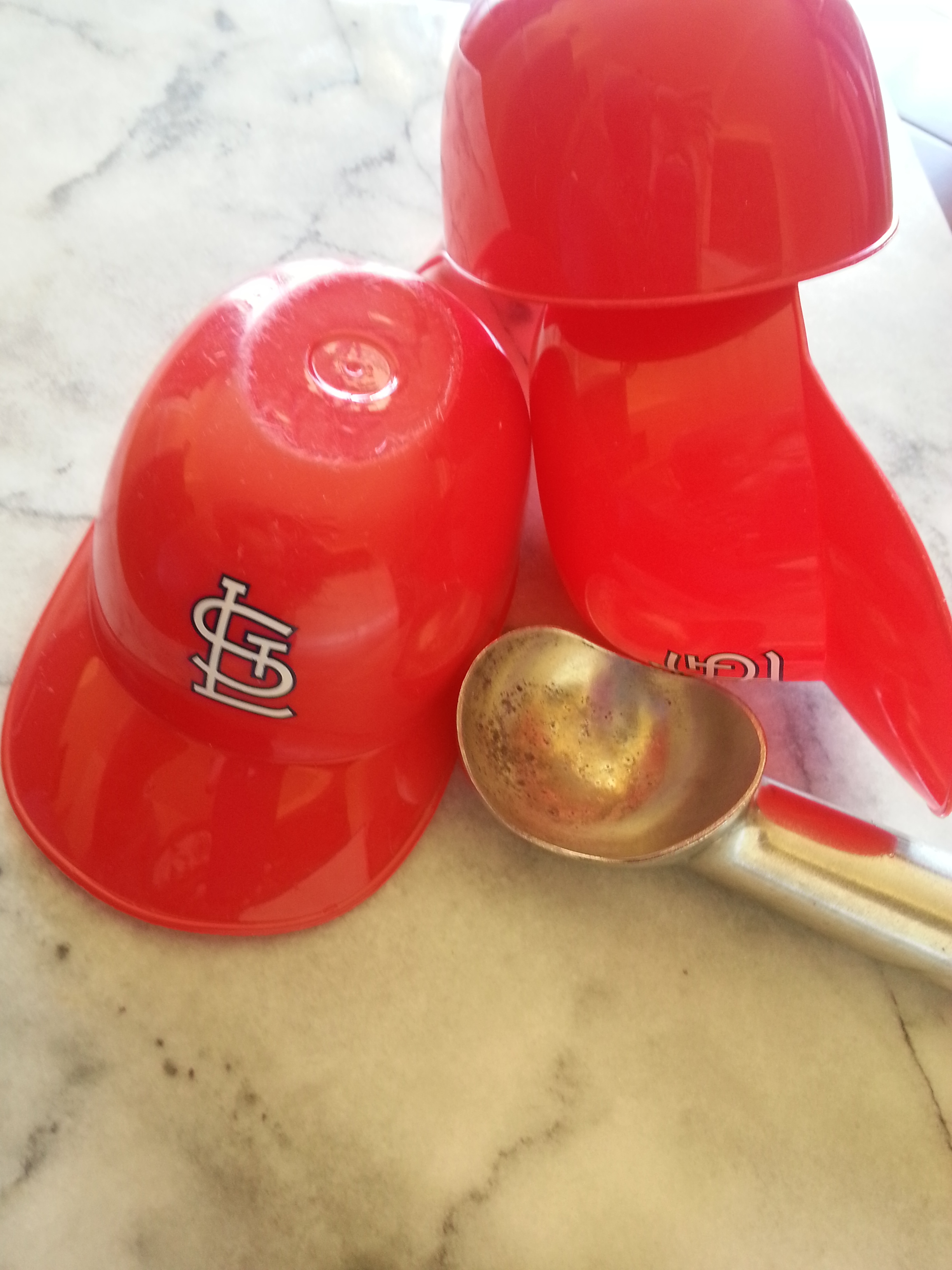
According to Ozzie Smith 22 million Americans claim to have at least at one time played hooky to enjoy opening day so he reckons we ought to make it official. And though I don’t think I’ll sign the petition, I’m sure he’ll get his signatures. At the time of this posting, it stands at  36, 612 with 27 days remaining. And regardless of what happens, my family will celebrate the way we always do, with hot dogs and nachos, with ice cream in those little plastic batting helmets, and with unbridled enthusiasm.

National holiday or not, I'll be getting my celebration on.
National holiday or not, I’ll be getting my celebration on.