Superglue, Bailing Wire, and Candy Cane Goo

If you were to walk into my parents’ house at Christmastime, you would see an artificial Christmas tree strung with lights and topped with the same lighted, multicolored star my parents have had for as long as I can remember. At this point I’m pretty sure the star contains more bailing wire and superglue than original material and still it’s held together mainly by the sheer will of Christmas spirit. Well, that, and maybe a little sticky candy cane goo.
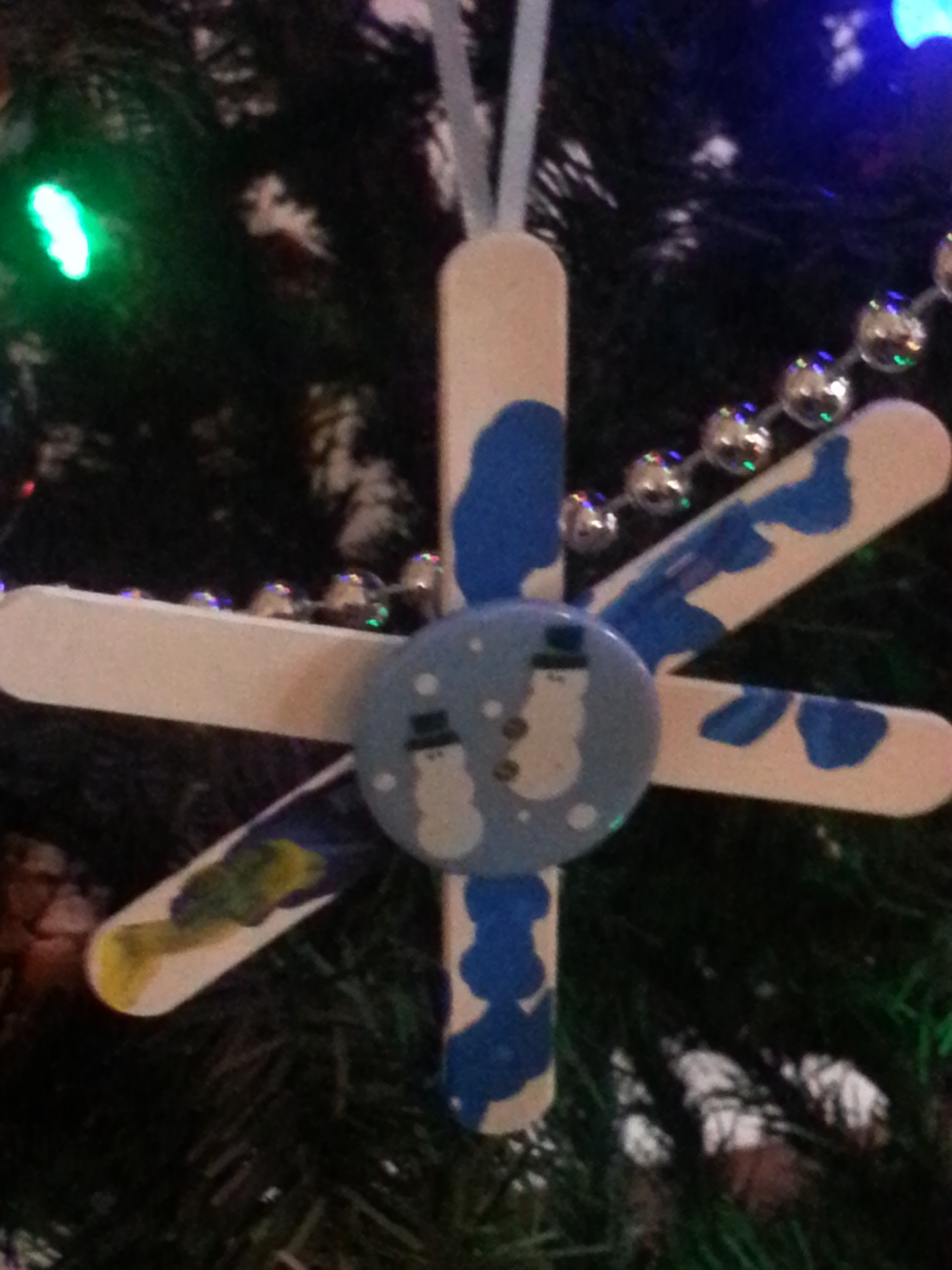
The most precious ornaments are always made with Popsicle sticks put together by little fingers.

I don’t remember when it happened because I had to have been very small at the time, but the story goes that as the family worked together to decorate the Christmas tree, my eldest brother, who is easily the tallest in the family, was teasing my sister, just two years younger and quite a bit shorter.

As she was always the most zealous keeper of holiday traditions in our house, I suspect she had been giving him a hard time about his tendency to clump the tinsel and to think little of the proper spacing of candy canes as he threw them randomly on the tree.

So he did what any young teenage boy might and stretched up beyond her reach to place a candy cane on the star. He expected it to irritate her. Instead, she was delighted. We all were. Somehow it seemed like the perfect touch to finish off the tree that primarily featured lumpy clay and Popsicle-stick-ornaments constructed by little fingers. And every Christmas since, the tree has been topped with the same (kind of garish) star and a single candy cane.

Because regardless of what religious symbolism a Christmas tree may hold (a hundred different sources will provide a hundred different interpretations), it should represent childhood and good Christmas memories.

At least that’s what Queen Charlotte, the German wife of England’s King George III, seemed to think. When she married in 1761, Charlotte spoke no English (though she learned quickly) and brought with her several German customs, one of which was the setting up of a decorated yew branch at Christmastime.

Christmas trees, or some version of them, had been part of German tradition since at least the 16th-century, when legend credits Martin Luther with the first. The claim of the legend is almost certainly false, but historians do generally agree that the first Christmas trees emerged from the general vicinity of Germany.

Queen Charlotte was certainly fond of the tradition and quickly transformed the private family yew branch celebration of her childhood into a spectacle like none the English nobility had ever seen. Then in 1800, she took the tradition to a whole new level, inviting the children of Windsor to a party featuring at its center an entire yew tree loaded with, according to one contemporary biographer, “bunches of sweetmeats, almonds and raisins in papers, fruits and toys, most tastefully arranged; the whole illuminated by small wax candles.”

He makes no mention of Queen Charlotte topping the tree with a star or a candy cane. Of course since there’s no definite evidence that the candy cane was invented until a hundred years later, I can give her a pass on that one.

Queen Victorian and Prince Albert gathered with their family around the Christmas tree.
Queen Victoria and Prince Albert looking very stylish around the Christmas tree.

What is clear is that the tree was a hit and Christmas trees started popping up in some of the noble households over the next few years, until in 1848, The Illustrated London News featured a woodcarving of Queen Victoria and her family gathered around their Christmas tree. After that, everyone wanted one. When the picture was run two years later in the American publication Godey’s Lady’s Book, the tradition caught fire (sometimes literally) in the United States as well.

Ours is not yet held together by bailing wire and hot glue, but give it time.

Queen Victoria and her Prince Albert often get the credit for popularizing the Christmas tree, but the honor may more appropriately belong to Queen Charlotte, who knew that there are some traditions worth preserving.

So if you were to walk into my house at Christmastime, you would see an artificial Christmas tree strung with lights, decorated with lumpy clay and Popsicle-stick-ornaments, and topped with a (kind of garish) multicolored, lighted star and a single candy cane.

What weird little traditions do you follow and wouldn’t dream of celebrating Christmas without?
A Shocking Turkey Recipe

The holiday season is nearly upon us, beginning here in the US with Thanksgiving next week. And if, like us, you’re hosting family for the big day that means it’s time to make plans for your turkey. We tend to prefer the Alton Brown brine method at our house, but I bet a fair few hosts are thinking of getting up at the crack of dawn to continually check and baste their birds until they are roasted to golden brown perfection. Other more adventurous sorts may be considering rigging up a deep fryer and spending the holiday at the hospital being treated for third degree burns.

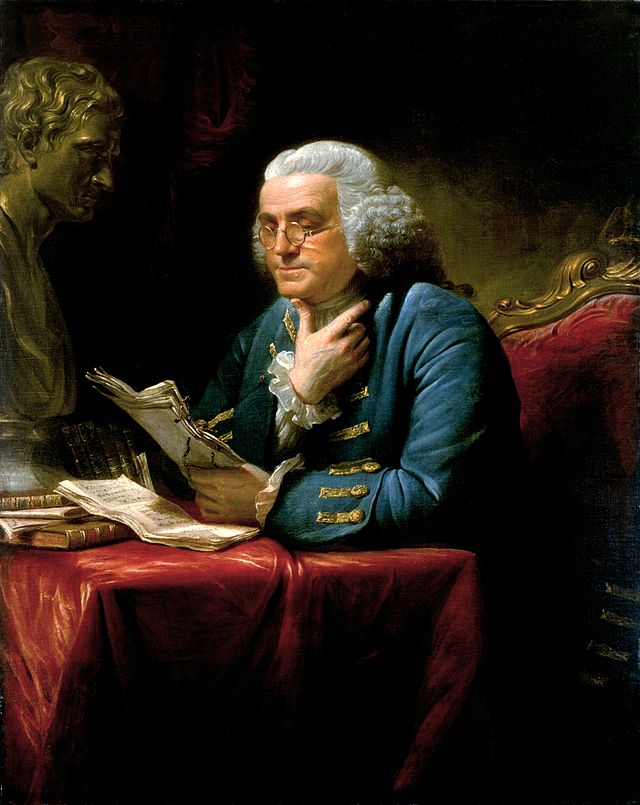
Benjamin Franklin, reviewing his collection of turkey recipes.

But history suggests there may be an even better (and possibly more dangerous) way.

In 1750, before he famously tied a key to a kite string and invented the lightning rod, Benjamin Franklin hosted a Christmas dinner party. Interested as he was with exploring the properties of electricity, Franklin decided to educate and entertain as well as feed his guests. His theory was that by electrocuting his roasting turkey, he could produce a more tender meat.

And he wasn’t wrong. In fact, his discovery is still important to the meat industry today, but it did come at a the expense of some personal pain and humiliation. As he was setting up an electrical jack he had designed specifically to meet all of his poultry electrocution needs, the plucky inventor received a pretty good shock himself. The gathering of witnesses to the experiment-gone-wrong reported a flash of light and a loud crack.

Whereas I would have tried to pretend the incident never happened and certainly would never mention it again (okay that’s not true. I’d totally blog about it), Franklin wrote about the failure to his brother just two days later. In the letter, he describes in detail how the event made him feel, which was, more or less, bad. Numb in his arms and on the back of his neck until the next morning and still achy a couple days later, Franklin seems to have decided that electricity, though hilarious, is not necessarily something to trifle with (chalk up one more important discovery for Franklin). He makes no mention as to whether or not he felt tenderized by the experience.

Benjamin Franklin, determined to carry on despite his shocking turkey set-back.

Now I can hear the objections already: “But, Sarah, that can’t be right. Benjamin Franklin was a friend to the turkey. He had great respect for it and even fought for its adoption as the symbol of the United States of America.” I hear you, Dear Reader. And I understand your concern. I, like many of you, was an American school child so I am familiar with that story. If you don’t wish to have your image of Benjamin Franklin as the great turkey advocate shattered, then feel free to stop reading at this point and assume that I’m just full of it.

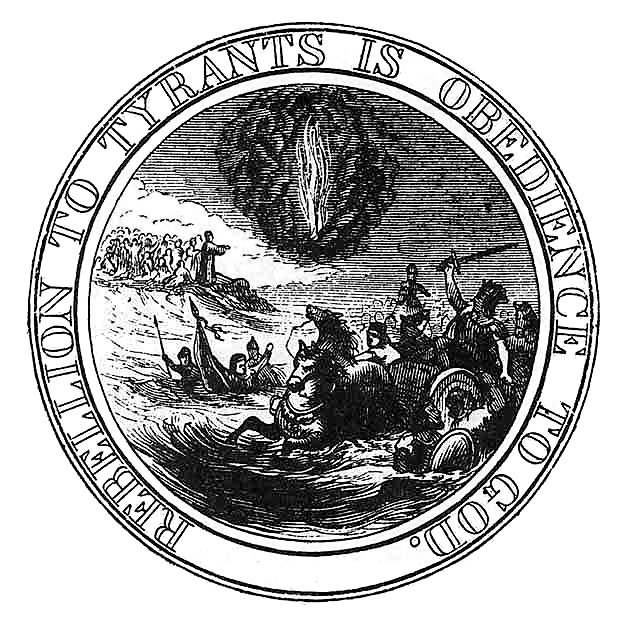
But for those of you who want to know what’s what, I’m going to share the real story with you. Even though Benjamin Franklin was a part of the original committee charged with choosing a design for the Great Seal of the United States, he recommended a rattlesnake to represent the young nation. Not once did he suggest a turkey.

Franklin also proposed this image of Moses and Pharaoh at the Red Sea for the Great Seal. Imagine the controversy that would have caused!

The idea that he did comes from an unrelated letter to his daughter written some years later when he was serving as an American envoy in Paris. To give some perspective, this was two years after the official adoption of the Great Seal, and six years after Franklin had served on the committee, again, making no mention of the turkey. He wrote the letter in response to his daughter’s question as to his opinion of the newly forming Society of the Cincinnati, a fraternity of officers of the Continental Army.

The society, founded in May of 1783, adopted for its symbol a bald eagle, claimed by some to look somewhat more like a turkey. Though Franklin didn’t oppose the society and eventually accepted an honorary membership in it, what he did not approve was the desire of some to make membership hereditary. This, he claimed, established an “order of hereditary knights,” which contradicted the ideals set forward by the newly formed republic.

But to openly mock or question the intentions of the brave men whose leadership had won the United States its freedom was simply not Benjamin Franklin’s style. Instead he focused on the turkey-eagle:

I am…not displeased that the figure is not known as a bald eagle, but looks more like a turkey. For in truth, the turkey is in comparison a much more respectable bird…He is besides, though a little vain and silly, a Bird of Courage, and would not hesitate to attack a Grenadier of the British Guards who should presume to invade his Farm Yard with a red coat on.

I'm kind of partial to the bald eagle myself.  photo credit: Thomas Hawk via photopin cc
I’m kind of partial to the bald eagle myself. photo credit: Thomas Hawk via photopin cc

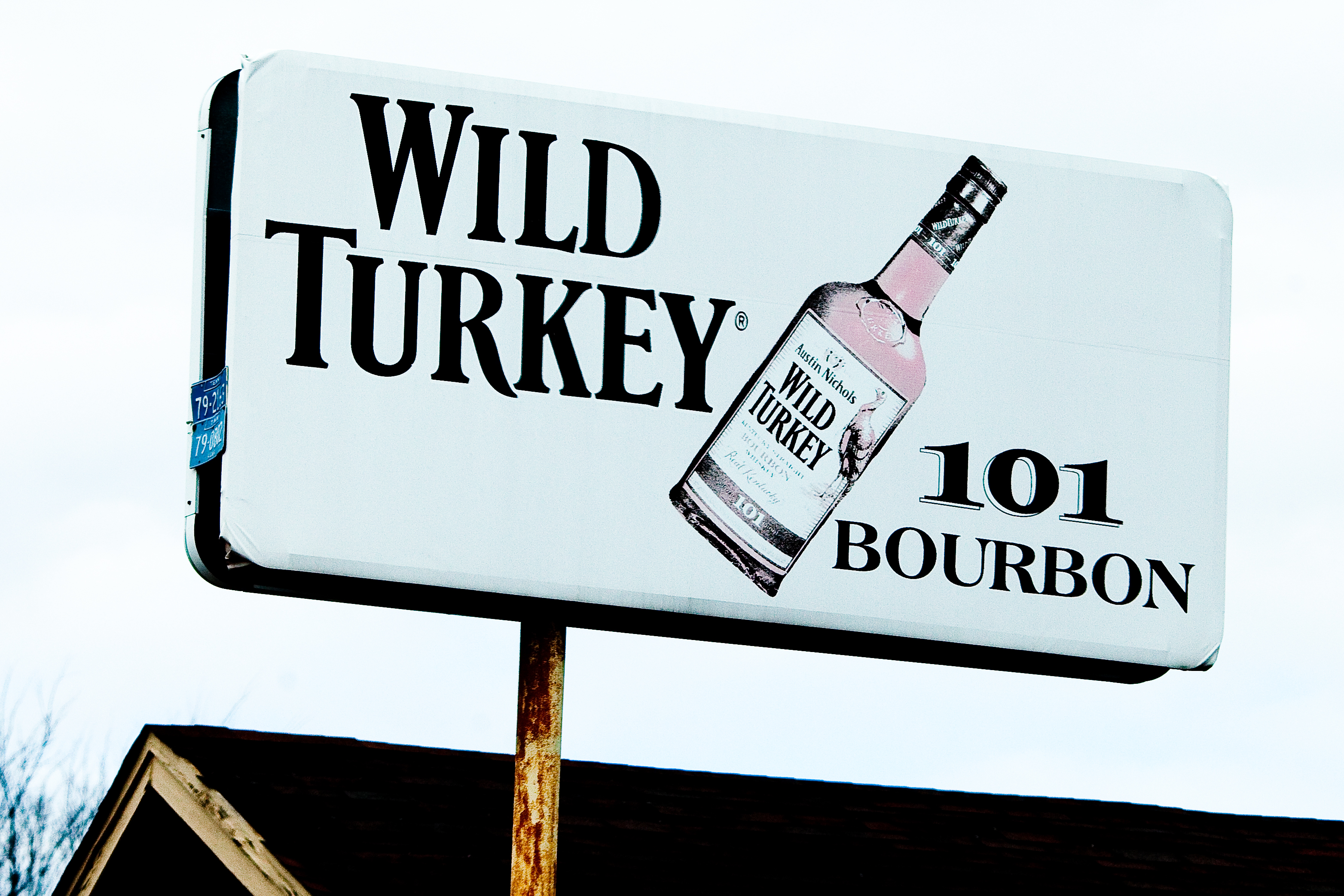
I have to assume that despite his reference to the farmyard, Franklin would not wish the symbol of our nation or its high ranking officers to be the comically large-breasted domesticated flightless bird that graces our Thanksgiving tables. Perhaps he meant to suggest wild turkey, which is a full flavored, barrel-aged, American original that tends to give one courage. Or perhaps he meant the wild turkey, which hunters suggest is a slippery foe, difficult to sneak up on and evidently tricky to electrocute.

Whatever his true intentions, I think it is clear that though Benjamin Franklin was certainly a great American who helped to shape the United States and provide all of its half-blind citizens with bifocals, he could also, at times, be a bit of a turkey.

Praying for KitKats

I don’t know how it is in your neighborhood, but mine is starting to get pretty spooky. Mummies, skeletons, and witches peek out from behind trees jumping, unwelcome, into my periphery. I love my neighbors, and they love Halloween, so I won’t really complain, but I admit, I’m not a big fan of this holiday coming up tomorrow.

As far as I can tell, fear isn’t a particularly enjoyable sensation. I have never understood the point of haunted houses or scary movies. I don’t like being startled. And I really don’t like nightmares.

Aren't you a little old to be Trick-or-Treating?   photo credit: abbynormy via photopin cc
Aren’t you a little old to be Trick-or-Treating? photo credit: abbynormy via photopin cc

But even though all of that is true, my family still observes Halloween, because I really do enjoy handing out candy to all of the creatively costumed kids and to the crowds of tiny Disney Princesses. As long as they don’t ring the doorbell past bedtime, I can even appreciate the clearly-too-old-to-participate teenagers that cut eye holes in their moms’ best sheets and show up on my doorstep.

My kiddos are all set, too. Their costumes have been pieced together and we’ve developed a plan for warm layers underneath because, of course, the meteorologists tell us that Halloween night may be bringing our first freeze of the season and I have worked too hard on these costumes to simply have them wear their coats.

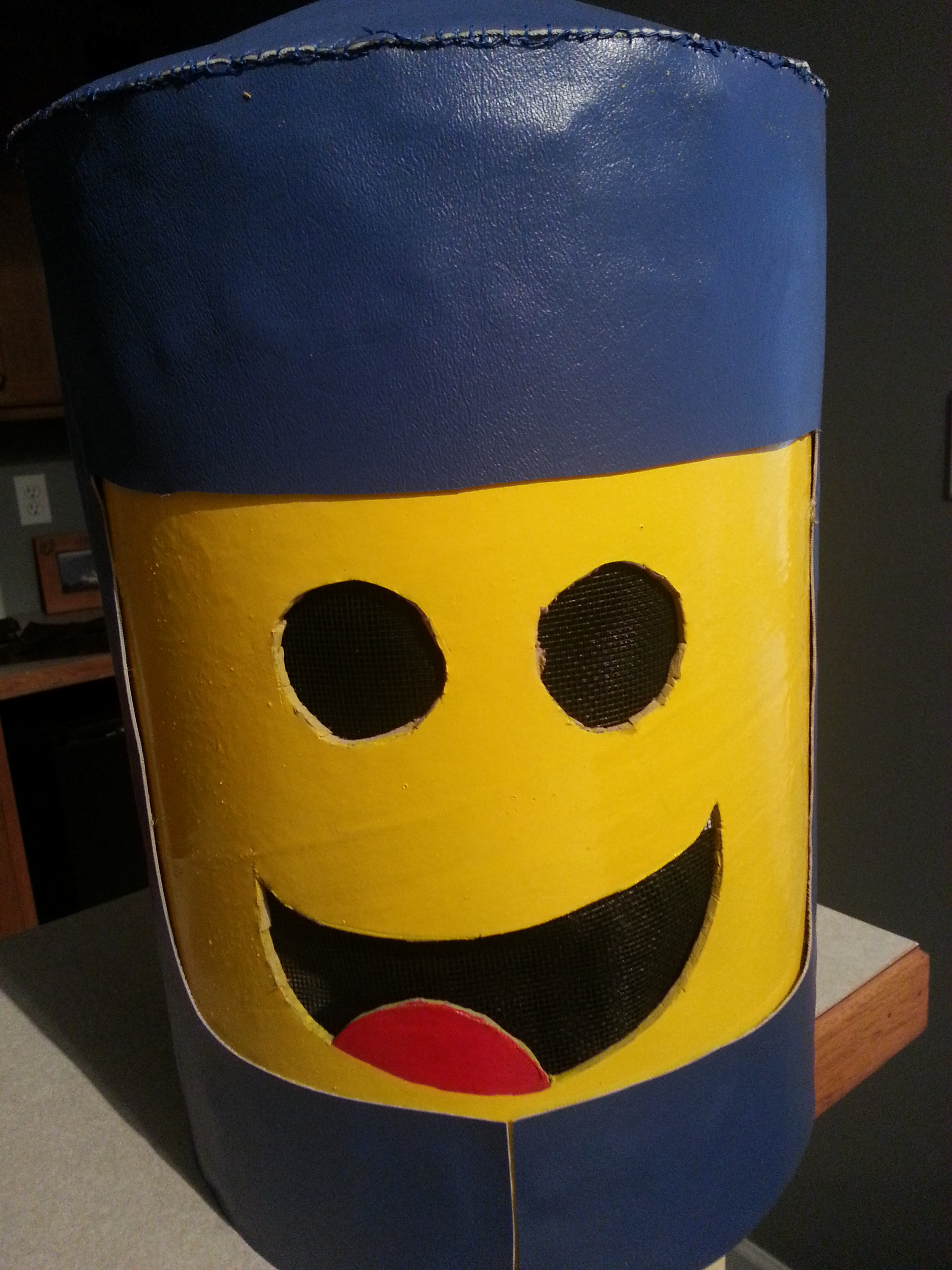
I mean, I don't want to brag that I'm the best mom in the world or anything, but an awful lot of love went into that mask.
I mean, I don’t want to brag that I’m the best mom in the world or anything, but an awful lot of love went into that mask.

All that’s left is for me to figure out what the heck we are going to do with all that candy. Because, as I mentioned, my neighbors seem to love Halloween and I love my neighbors, so I will not refuse their generosity.

But trick-or-treating is kind of a strange tradition, isn’t it? It’s generally assumed that the practice is derived from the Celtic festival of Samhain. Observed as far back as at least 2000 years, Samhain marked an important seasonal transition and a time when the spirits of the deceased were believed to walk the earth again.

Since it’s probably not smart to presume all wandering spirits are friendly, gifts of food (mostly KitKats, I assume) were often left for them by the living who also cut eye holes in their moms’ best sheets or donned Disney princess dresses so any unfriendlies might not notice them.

800 years later, when the Church decided to Christianize the Celts, Samhain became a problem. It’s really difficult to overcome superstition and the desire to give KitKats to tiny Disney princesses. What the Church decided to do was commandeer the holiday and transform it into Hallowtide, a festival encompassing All Hallow’s Eve, All Saint’s Day, and All Soul’s Day, from October 31 to November 2.

Because what wandering spirit wouldn't appreciate this?  photo credit: Andrew _ B via photopin cc
Because what wandering spirit wouldn’t appreciate this? photo credit: Andrew _ B via photopin cc

Instead of fearing evil wandering spirits, the holiday became about honoring and praying for the departed. By the 11th Century, the Church had come to be pretty cool with the idea of dressing up as angels, demons, and Disney princesses as a part of the celebration and soon the tradition of “guising” emerged. Children (and probably a few neighborhood teens who were clearly too old to participate) knocked on doors, often with a song, to beg for food or money in exchange for prayers offered up for the dead. The beggars became known as “soulers” and the treat most often given was called a “soul cake.”

Soul cakes were small and round, often with crosses marked on the top. I can’t find a recipe, but rumor has it they were sweet cakes with things like ginger, raisins, and not nearly enough KitKats in them. I’m betting that’s why the tradition has evolved from “if you give me a treat, I’ll pray for you” to “if you don’t give me a KitKat I’ll egg your house.”

Where's my KitKat?  photo credit: katerha via photopin cc
Where’s my KitKat? photo credit: katerha via photopin cc

But the soul cake does give me an idea of how I can deal with the massive amount of candy that will be entering my house tomorrow night. I’m going to take a lesson form the early Christian Church and commandeer my children’s candy bags (after letting them eat A LOT of candy on Halloween night, I promise) and re-purpose as many of the sweet treats as I can into baked goods that I will serve to friends and neighbors during the coming, more cheerful holiday season.

I have been scouring the Internet for recipes that will help me do just that. My favorite so far is this one for KitKat Cookie Bars. If you know others, please feel free to share. And keep in mind that if you don’t, I just might egg your house.

Drinks with the Devil Lead to Puking Pumpkins

This morning I’ve been living the stay-at-home mom’s dream. I took my children to school, covered my kitchen table in newspaper, and carved jack-o-lanterns. Okay, maybe it’s not every stay-at-home mom’s dream, or even mine, though I’m pretty sure my kids think I make them go to school just so I can play with their toys all day long.

Remember when we were kids and we had to do this with just a spoon and a steak knife. And bandaids.

I really did borrow their carving tools because I haven’t carved a pumpkin on my own since my oldest could manage to rub pumpkin guts in his hair, but tomorrow are the fall parties in my sons’ classrooms and while I did manage to dodge being put entirely in charge this time, I volunteered to help.

And no fall party would be complete without a few Jack-o-lanterns, that bizarre Halloween craft that traces its roots back to a not-so-nice wandering spirit named “Stingy Jack.” According to an Irish tale, Jack was a ne’er-do-well who had a run-in with the devil, a much more famous ne’er-do-well.

Because he was such a good guy, Jack invited the devil to join him for a drink. The devil agreed and even said he’d pay the bill when Jack suggested that the devil turn himself into a coin from which he could later transform back, thereby cheating the bar owner out of the price of the drinks. As soon as the devil transformed, Jack grabbed the coin and placed it in his own pouch next to a small cross he had presumably stolen from someone much nicer than himself. The devil was trapped and Jack only agreed to release him for a promise that he’d leave Jack his soul.

pumpkindrill
Don’t worry, my boys will get to carve they’re own pumpkins, too. They might even get to use Dad’s tools.

Some versions of the tale claim that Jack trapped the devil in a tree with similar results, but regardless of how it happened, the years went by and Stingy Jack died, as nearly all ne’er-do-wells eventually do. Of course, because of his ne’er-do-well ways, Jack didn’t make the cut for Heaven. The devil wouldn’t take him in either and so Jack found himself stuck. Not knowing where to go, he asked his old drinking buddy for directions. In answer, the devil flashed him what I have to assume was truly a devilish grin and tossed Jack a burning ember from the eternal fires of Hell.

Jack wasn’t too bothered. He simply placed the ember in the trusty old turnip he happened to be carrying with him into the afterlife, because that seemed like a pretty good folklore-y kind of thing to do. And ever since then, we’ve been carving vegetables because, well…because…um…

So it turns out this story might not really address the history of today’s jack-o-lanterns at all. There’s not even much evidence that the tradition is particular Irish in origin. Jack’s story is similar to tales from around the globe, used to explain the ghostly phenomenon of ignis fatuus, or the eerie lights that sometimes appear at night over marshy areas and, like a newborn’s smile, are often attributed to gas.

The Māori people of New Zealand were carving gourds to use as lanterns as early as 700 years ago, and it worked pretty well. On a night when little ghouls and goblins are running through the streets, it seems like a good idea to light their way. The practicality of the carved gourd as a way to see where one was going and ward off the evil of the night eventually merged with the spooky tale of Stingy Jack and the Jack-o-lantern we know and love was born, maybe as recently as the early 19th century.

So today the jack-o-lantern is a staple of Halloween décor and of fourth grade classroom fall parties, where it’s featured in the “puking pumpkin” experiment. How could I not volunteer to help with that!?

Uh oh. These pumpkins don't look like they're feeling so well.
Uh oh. These pumpkins don’t look like they’re feeling so well.

After the party tomorrow afternoon you can check out a video of the puking pumpkins on my Facebook page.

The Cheese is Old and Moldy

In the summer of 1987, Paddy Coughlan and Dan O’Conner got to work digging peat on a farm near Glenahilty in Ireland’s Tipperary County and found a little more than they expected. The two men worked together to extract their mysterious find, which turned out to be a 100-pound block of 1,400-year-old cheese.

So just picture this, older and boggier. photo credit: abbyladybug via photopin cc

An exciting find to be sure, especially if you happen to have a box of crackers handy, but Coughlan and O’Connor didn’t. They contacted archaeologist Tony Candon, who, though pretty psyched about the find, was also fresh out of crackers. He did, however, identify the find as cheese (or possibly butter) and declared it quite likely edible, preserved as it was by the cool, acidic, and anaerobic conditions of the bog.

For nearly 27 years, it was a really impressive discovery. Then in February of 2014, archaeologists published the findings from the excavation of a 17th-century B.C. cemetery in the Taklamakan Desert in China’s Xinjiang region. What they found was about 200 well-preserved mummies, each with a little chunk of 3,600-year-old yellow cheese hanging around its neck. Though there’s secondary evidence that cheese has been around some parts of the world for more than 7000 years, this is the oldest actual cheese that’s ever turned up.

I mention this, not because I am particularly knowledgeable about cheese (I’m certainly not), but because today happens to be National Moldy Cheese Day. As far as I know Hallmark hasn’t produced a card for this one yet and you might be hard pressed to find it printed on a wall calendar, but nevertheless today is, without question, the day when we’re all supposed to take a moment to appreciate moldy cheese.

Because this is sort of a history blog, I scoured Wikipedia for at least a couple of minutes to see if I could discover the origin of the strange holiday. I failed. But I think given the importance our ancestors placed on cheese (a convenient snack for the deceased or a 100-pound treasure to be buried in in the back yard for safe keeping), we can assume that Moldy Cheese Day has been around for a while, just like the forgotten slice of American sizzling on the middle school blacktop or that block of Swiss growing fuzzy in the back of your refrigerator.

Vieux-Boulogne, the world's stinkiest cheese, according to two Camdon University studies in 2004 and 2007. Grant money well spent I'd say. photo credit: noodlepie via photopin cc
Vieux-Boulogne, the world’s stinkiest cheese, according to two Cranfield University studies in 2004 and 2007. Grant money well spent I’d say. photo credit: noodlepie via photopin cc

And there’s no question that there are folks among us today who are crazy about cheese. Foodies rave about various stinky cheeses with rinds washed in this or that briny solution. They speak of aging processes and of textures and flavors described as earthy or meaty. There are die-hard cheese eaters out there who can’t wait to devour the smelliest cheeses they can find, not even shying away when the odor is described as similar to that of sweaty feet.

This defies explanation. Just...no. photo credit: cdw9 via photopin cc
This defies explanation. Just…no. photo credit: cdw9 via photopin cc

My guess is that Helen Lucy Burke is one of these die-hard cheese fanatics (not to be confused with the Green Bay Packers cheese-head fanatics, who are even more peculiar). Ms. Burke threw caution to the wind and sampled the 1,400-year-old bog cheese where it’s now kept at the Roscrea Heritage Centre in Tipperary. She described the flavor as unpleasant, though not quite revolting, similar to a dried Wensleydale cheese, which I’m pretty sure I’m never going to eat.

But perhaps you are braver than I am. If you are, you can celebrate Moldy Cheese Day by branching out and trying something new, or, if you want, rumor has it you can cut the fuzzy parts off that lump of Swiss and eat it without worry.

Personally, I think I might celebrate by cleaning out my fridge.

How Joe Somebody Met Pretty Girl

Of the many wondrous mysteries of my childhood, one survived until I became an adult. Every year on the night of April 30th, someone rang our doorbell and disappeared, leaving behind a gift of four small fudge sundaes from Dairy Queen on our doorstep, one for each of the children in our family.

That's my kind of May basket!    photo credit: Mr.TinDC via photopin cc
That’s my kind of May basket! photo credit: Mr.TinDC via photopin cc

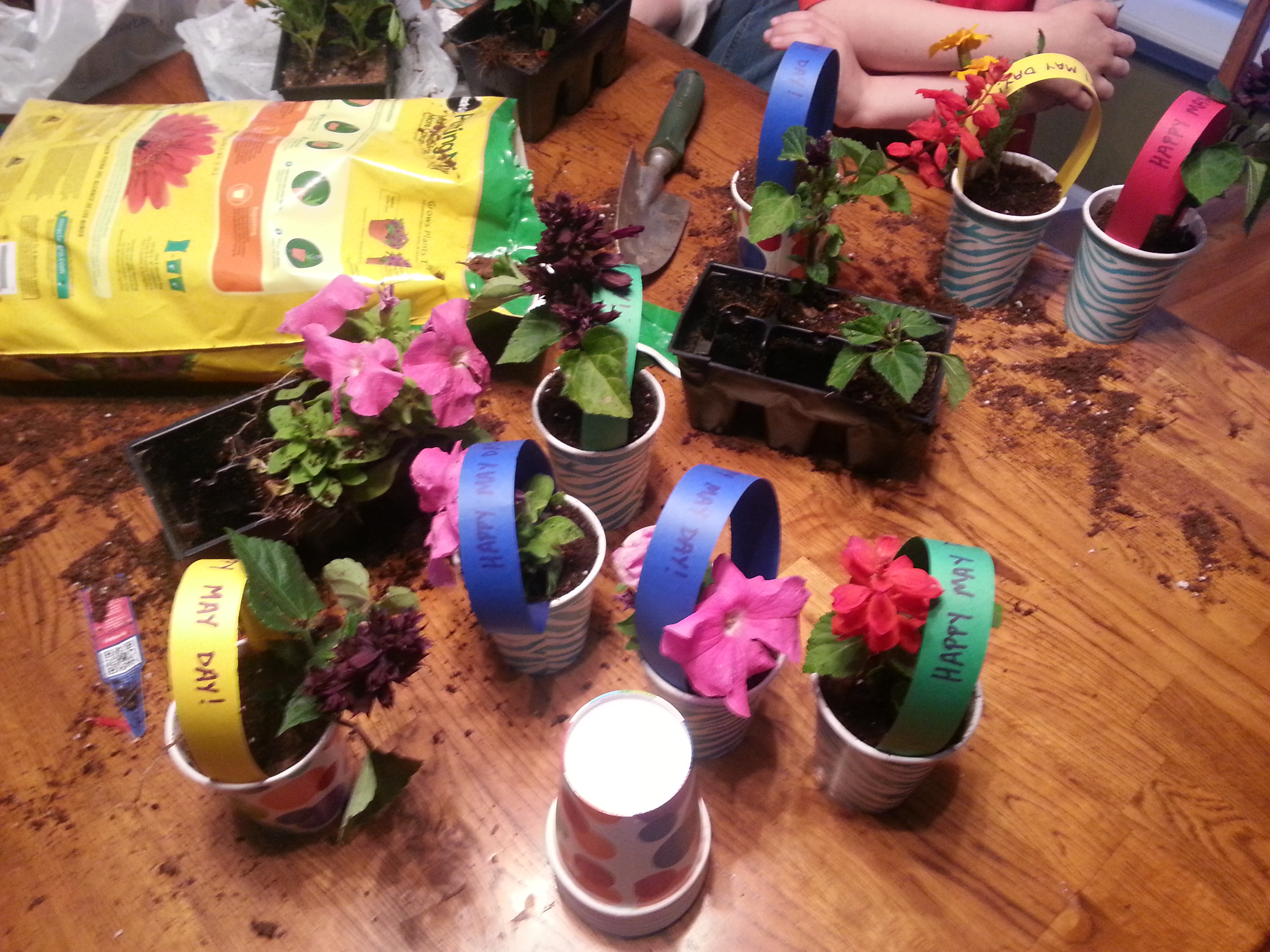
Often this happened shortly after we arrived back at home from our neighborhood May basket deliveries. I know, I know, that’s a quaint little tradition that nobody follows anymore, maybe even fewer people today than when I was growing up in the 1980’s, except that at my house we did. Up and down our block we placed a spring flower on each doorstep, planted in a little basket, usually made from a paper cup decorated with childish scrawl.

Most of the time, we left the gifts to be discovered in the morning, on May Day itself, but with some of the younger neighbors, the ones with kids our age, we would ring the doorbell and run like crazy to hide in the bushes or jump into the car with Mom at the wheel and the motor running (in another, less scrupulous, lifetime she might have made a good bank robber).

It wasn’t a huge secret that our family was behind the May baskets, but it was a great game for the neighborhood kids to try to catch us at it. And we were no better. I remember one year, one of my brothers (I won’t reveal which one because their children sometimes read this blog and it would be more fun to have them ask their dads), deciding he was going to wait out the fudge sundae bandit, dressed in head-to-toe black ninja garb and climbed the tree in the front yard to watch.

He successfully delayed the arrival of the sundaes (much to the dismay of the rest of us), but still they came. And my ninja brother didn’t see a thing.

The stealthiest and most efficient flower delivery service ever.    photo credit: JennyCide/grom via photopin cc
The stealthiest and most efficient flower delivery service ever. photo credit: JennyCide/grom via photopin cc

The May basket and the tradition of celebrating May Day has a messy history, not the kind of thing I usually like to write about. I’d love to be able to tell you about Joe Somebody winning the love of his fair maiden Pretty Girl by getting caught delivering a basket of flowers to her doorstep on May 1 of 472. This of course would have led to her kissing him and a happily-ever-after that their ancestors have been celebrating ever since. I guess that could have happened, but since no one thought to include that story on the Internet (until now), it’s forever lost to us.

What I can share with you is that May 1 has been observed for thousands of years, first as one of four seasonal Pagan holidays, symbolizing the beginning of summer and celebrated with purifying fire. Later the Romans got hold of the holiday and transformed it into a festival honoring Flora, the goddess of flowers. And there was a time when every English village had a Maypole to celebrate spring and welcome summer.

A May Day tradition that has nothing whatsoever to do with fudge sundaes. I don't get it.    photo credit: Liz Castro via photopin cc
A May Day tradition that has nothing whatsoever to do with fudge sundaes. I don’t get it. photo credit: Liz Castro via photopin cc

Not surprisingly, Puritan settlers in America didn’t care for the holiday and to this day it has never been widely observed in the United States. But there are pockets (like my childhood home) where the spring is marked by the sharing of a small gift with friends and neighbors and you might even find the odd festival that has children dancing around a maypole (which I’ve never done) and electing a May queen (which, alas, I’ve never been).

I’m delighted that my children enjoy the tradition now, too. But then what kid wouldn’t want to dress like a ninja and ding-dong-ditch the neighbors for a good cause? And it turns out we have a fudge sundae bandit in our neighborhood, too.

A fun, but messy tradition.
If only someone would sneak in and clean up the mess.

I did finally learn who was responsible for the annual sundae delivery of my childhood and it wasn’t the elderly neighbors down the street that for some reason I was always convinced were responsible. My mom let me in on her big secret a few years ago (sometimes even good bank robbers crack). In retrospect, I probably should have figured it out myself. But then childhood really should include a few good mysteries.


Study Shows VD is Good for Your Heart

Tomorrow we celebrate “love,” on that most romantic of days commemorating a couple of martyrs, a massacre, some very poorly behaving Romans, awkward relationship moments, and heart-shaped boxes of chocolate candies filled with who knows what. As you can probably gather, we’re not big celebrators of Valentine’s Day around here, although, I have to admit, I will likely make a heart-shaped casserole for dinner because I received a heart-shaped pan as a wedding gift and honestly when else am I going to use that?

Despite my own reluctance to celebrate VD, my children have been busy designing and filling out valentines to give to their classmates. They’re excited mostly, I think, to see the pile of candy they will bring home.

If you must celebrate, at least do so Pinterest style, right?

But I am delighted with their teachers and with their school because both classes are also trying to make this kind of silly holiday meaningful on a larger scale than simply fretting over cryptic Conversation Hearts bearing messages such as: “DARE YA,” “GOT CHA,” and “URS 4EVR.”

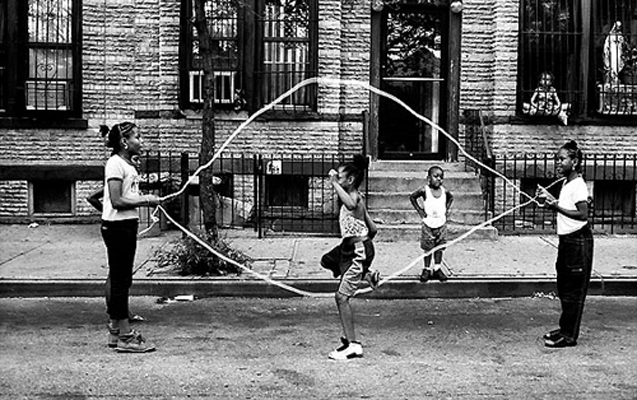
My oldest son’s third grade class will be spending at least some of their party time making therapy pillows to be donated to a local children’s cardiac unit. And my first grader’s class will be participating in Jump Rope for Heart.

I’m especially pleased about that because in fifth grade I participated in the program myself and not to brag, but I had some pretty mad skill. Over the years the Jump Rope for Heart Program has raised hundreds of millions of dollars for the American Heart Association all while promoting heart-healthy activity and an attitude of service among elementary students.

It might just be me, but I'm pretty sure the conversation hearts of my youth were more innocent.
It might just be me, but I’m pretty sure the conversation hearts of my youth were more innocent.

Because though it’s a ton of fun, jump roping is hard work. Some historians even trace the roots of the sport back precisely to hard work in Ancient Egypt and China from where the earliest twisted or braided ropes are believed to have come. The theory is that rope-makers had to jump the strands as part of the process of twisting them together to make rope and that in imitation of them, their children developed a game of it.

Whether or not the theory has any merit, rope jumping games certainly did take hold early in China. There’s also evidence that similar jumping activities developed early among the Aboriginal population in Australia. But it is most likely the Dutch we have to thank (or blame) for the modern sport of jump rope.

When early Dutch settlers brought jump roping to New Amsterdam (later New York) in America, the English thought it was the most ridiculous thing they’d ever seen. When Dutch children doubled it up, the English (who were obviously jealous of the mad skills) knew they had been wrong and that this “Double Dutch” accompanied by silly sing-song rhymes was, in fact, the most ridiculous thing they’d ever seen.

Mad Skill
Mad Skill

The sport’s been though some highs and lows in its history, enjoying a resurgence in the 1970’s with the NYPD’s Double Dutch outreach to inner city youth that included the slogan “Rope, Not Dope,” a “rope skipping” campaign begun in Colorado by PE teacher Richard Cendali, and the Jump Rope for Heart program started in 1978 by Milwaukee PE teacher Jean Barkow.

And now, all over the United States, elementary students jump their hearts out around this time of year in order to do some good in the world and prove that Valentine’s Day, for all the angst and disturbing candy messages, can actually be pretty good for your heart.

jumpropeforheart

So in the interest of exhaustive (or at least exhausting) research, I felt it necessary to dust off my mad skills and jump a little rope. In the process I learned a few things:

  1. I am not at quite the same level of physical conditioning as my fifth grade self.
  2. My “Jumping Rope” list on iTunes needs more Pointer Sisters, Van Halen, and Kris Kross (sure to make me jump jump).
  3. I don’t know if this proves the Englishmen of New Amsterdam right, but my attempt to jump rope is probably the most ridiculous thing anyone could ever see. But won’t. Ever.
  4. Jumping rope is a fantastic way to work off all the empty calories in the heart-shaped box of chocolates filled with who knows what that I’ll probably scarf down in honor of Valentine’s Day.
The things I do for you.

Please don’t look at me like that.

On Christmas morning 1902, young brothers Quentin and Archie Roosevelt revealed a holiday surprise to their parents. As the first family entered the White House room where they were to open their gifts, the boys threw open a set of closet doors to reveal a small decorated Christmas tree.

English: A Christmas Tree at Home
Surprise! There were too many trees in the yard anyway. (Photo credit: Wikipedia)

The tree had been cut from the White House grounds and with a little assistance from staff had been wired for electric lights. The trouble was that President Theodore Roosevelt had specifically banned White House Christmas trees the previous year.

A dedicated outdoorsman and environmentalist, Roosevelt had listened to the increasing public concern over unnecessary forest destruction and come to the decision that his family would not participate in the holiday tradition.

Now, please believe me when I say that I am not a Christmas tree hater. I recognize that for many of the folks out there who celebrate Christmas, the season just simply would not be the same without a freshly cut tree. But I don’t have a real tree in my home.

Primarily this is because I have a family member who is terribly allergic to evergreen, but I also appreciate that artificial trees don’t need to be watered, rarely burst into flame, and possess bendy branches that are quite convenient for whimsical ornament placement. Best of all, when Christmas is over, I don’t have to worry about how to dispose of my tree.

christmas tree recycling dropoff 4
Oh. Right there? OK. (Photo credit: sdminor81)

At least I thought that was an advantage, until I moved to Oregon, which produces more live Christmas trees than any other state in the United States. Sometime during the week following our first Oregonian Christmas, a young lady knocked on our door and explained that her glee club, chess team, cheerleading squad, or something was raising funds by recycling Christmas trees for people. When I told her that we had an artificial tree, the perky smile slid from her face.

She recovered quickly, the ends of her mouth turning up, a look of disbelief in her shining eyes as she shifted to try to see around me into my home. The “tree” was easy to spot in the front room.

“Oh, okay. Thanks anyway.” She turned to walk back down the driveway, her shoulders sagging, as if I had just explained how I’d accidentally run over her puppy.

Puppy-sam
Let me be perfectly clear about this. I did NOT run over anyone’s puppy. (Photo credit: Wikipedia)

But now we’re back in the Midwest where real trees cost nearly as much as the artificial ones and no one seems to take it as a personal affront that we prefer unpacking our tree from a box in the basement to strapping it to the roof of our car.

Still, my time in the Pacific Northwest has given me a new perspective on the advantages of real Christmas trees:

1.      Real evergreen trees make your house smell lovely and if anyone is allergic to them, his or her airway will soon clog enough to not smell them anyway so everyone wins.

2.      Real trees introduce a new crop of spiders into your home that soon take up residence and can become beloved pets for your children.

3.      Real trees spread their needles over the floor to be tracked all over the place, giving your entire home a fresh green Christmas-y feel.

4.      Real trees produce plenty of sap to coat your family’s treasured ornaments and protect them from potential breakage.

5.  When a young lady shows up on your doorstep offering to recycle your Christmas tree as a fundraiser for the annual honors orchestra trip to Boise, you don’t have to inform her that you have just run over her puppy.

And it turns out the Roosevelt family discovered a new perspective on their live Christmas tree, too. According to the story, the president was not particularly angry with his young sons, but decided that this was a teachable moment. He invited his friend and adviser Gifford Pinchot who would later serve as Chief of the United States Forest Service to explain to the boys the problems of deforestation and the use of trees for decorative purposes. Instead, Pinchot told them that sometimes the selective harvesting of older trees could be beneficial to a forest.

Christmas Tree Lot (#2548)
I’d like the one with the fewest bald spots and the most spiders, please.(Photo credit: regan76)

There’s no record of trees being reincorporated into the Roosevelt Christmas celebrations in the White House, but many reforestation laws and environmental acts came out of Theodore Roosevelt’s presidency. Today, most of the Christmas trees in the United States are farm raised with highly sustainable farming practices.

So go ahead all you holiday traditionalists out there. Gather with your family around your real Christmas tree and sing Dr. Seuss’s “Welcome Christmas” or whatever it is you do to celebrate. I will be with my family, passing out the gifts left under our perfectly shaped, green plastic Christmas “tree” complete with occasional clusters of small fake pine cones. In a few days, I will pull off the branches and stuff them back into the box in the basement. And I promise I will try not to run over your puppy.

Merry Christmas!

On Dasher. On Dancer. On Prancer. On Vixen. On Dominick, on Snoopy, on Baron von Richthofen.

It’s beginning to look a lot like Christmas here in the Angleton home. As is tradition for our family, we decorated the tree the day after Thanksgiving (alas, I missed out on all the Black Friday deals) and the Christmas geese are shining brightly in the front yard.

It’s also beginning to sound an awful lot like Christmas, as it has become our new tradition to crank up the volume on the Christmas iTunes list to sing and dance our way through dinner prep and homework in the evenings. My six-year-old has taken to shuffling through the songs to find what he most wants to hear, which means that we skip over Bing Crosby’s “White Christmas” and instead listen to Lou Monte’s “Dominick the Donkey” A LOT. It also means that homework is taking a little longer these days.

But I can’t complain too much because even though there are some great songs we’re missing out on, the kid has some pretty good taste. One that he has been particularly enjoying is The Royal Guardsmen’s 1967 “Snoopy’s Christmas.”

Both of my boys like this one, which makes a practical historian mama proud, because the song indirectly honors what has to be one of my favorite moments in all of human history. It’s a follow-up to “Snoopy vs. the Red Baron,” a 1966 release that tells the tale of Charles Schultz’s lovable cartoon beagle who in October of 1965 began fantasizing about engaging the WW I German flying ace often known as the Red Baron in a dogfight.

Snoopy as "the World War I flying ace&quo...
Snoopy as “the World War I flying ace”, flying his Sopwith Camel. (Photo credit: Wikipedia)

The Red Baron’s real name was Manfred von Richthofen. He emerged from the defunct cavalry division of the German Imperial Army to train as a pilot, apparently with a fair amount of natural talent. With nearly eighty confirmed kills and most likely over a hundred in all, he was the most successful fighter pilot of the war, becoming something of a legend to both sides of the struggle.

Of course because he is such a legendary figure, there is some controversy surrounding his eventual death. Richthofen was wounded and went down (remarkably gracefully, according to reports) over France on April 21, 1918. He died from the shot to his chest, moments after landing. The trouble is that it has proven difficult to know who shot him.

Manfred von Richthofen from Sanke card #450. T...
Manfred von Richthofen (Photo credit: Wikipedia)

The kill was long credited to Canadian pilot Captain Arthur Brown, but there is a good deal of evidence that the fatal shot came from the ground.  Several historians have assigned credit to various anti-aircraft gunners who were in the area at the time. Still others believe that it was in fact Snoopy perched atop his flying doghouse that drove the Baron to the ground where he survived the wound and went on to start a highly successful frozen pizza business.

The problem with that last theory is that if we assume a certain degree of historical accuracy in the well-researched work of The Royal Guardsmen, then Snoopy and the Red Baron met one more time, on Christmas Eve.

This encounter ended very differently than the first. The Red Baron had Snoopy in his sights and instead of moving in for the kill, forced him to the ground for a friendly Christmas toast, after which the two parted ways peacefully.

I regret to inform you that there is no record of this encounter in the history books, nor of a similar one involving Richthofen, but there is a truly wonderful occasion documented in the history of WW I on which primarily British and German troops fighting in the trenches of the Western Front called a spontaneous truce and celebrated together on Christmas of 1914.

Accounts describe German soldiers beginning to sing carols on Christmas Eve and placing small, lighted trees along the edge of the trenches. Soon makeshift signs expressing Christmas greetings and suggesting a temporary peace started appearing on both sides and by morning, soldiers emerged to cross no-man’s land and shake hands. All day (and according to some accounts, for several after) soldiers took time to bury fallen comrades, exchange small gifts, and even play football (soccer) together.

This “Christmas Truce” was not government sanctioned and in fact followed a flat rejection on both sides of a December 7th suggestion from Pope Benedict XV that a temporary ceasefire be declared in honor of the holiday. Of course eventually the fighting started again and the war raged on for four more bloody years.

Never again in World War I nor in any conflict since has a similar truce been effectively carried out, but for one brief shining moment in history, the commonality of basic humanity triumphed over the absurdity of war. And Snoopy and the Red Baron shared a Christmas toast. I think that’s something worth singing about, even if it means I can’t always dream of a white Christmas as much as I’d like.

Merry Christmas (Bing Crosby album)
It may not appeal to the six-year-old crowd, but it’s still the greatest Christmas album of all time. (Bing Crosby album) (Photo credit: Wikipedia)

The Practical Historian Takes the Day Off

NOTE: I generally post on Thursdays, but have decided this week to post a little early so that I can spend the Thanksgiving holiday with my family, the way it was meant to be spent. Last year, I wrote about my absolute disgust that retailers were open for Black Friday sales on the Thursday of Thanksgiving, which meant that their employees were not able to spend the holiday at home with their families. Apparently, the retailers didn’t get my message as an even greater number of them are engaged in the practice this year. So, I’m going to try again, with this (slightly) revised post. I hope that you enjoy it and I welcome your comments, but please note that I will not be responding until Friday. This practical historian is taking the day off.

English: Oven roasted turkey, common fare for ...
Mmmm…smells like Thanksgiving. (Photo credit: Wikipedia)

Some Sincere and Honest Suggestions

Happy National Day of Thanksgiving on this the fourth Thursday of November when we here in the United States traditionally feel particularly thankful. But that wasn’t always when we celebrated as a nation. For much of our history, Thanksgiving was sporadically celebrated, with governors occasionally calling for state wide days of thankfulness.

It wasn’t until Abraham Lincoln that we had a national celebration. In 1863 as a gesture of unity for a nation at the height of civil war, Lincoln issued a presidential proclamation declaring the last Thursday of November the official day. Not surprisingly, the holiday was still not uniformly celebrated until 1870, when the war was finally over and Reconstruction was well under way.

After that, every year, part of the president’s responsibility was to declare the official day. And for many years that worked well, with each president following in Lincoln’s footsteps and proclaiming Thanksgiving to be on the last Thursday in November.

Then along came The Great Depression and Franklin Roosevelt. Listening to the appeals of concerned retailers who feared a late Thanksgiving would result in more sluggish Christmas sales, FDR decided to change Thanksgiving to Thursday, November 23, 1939.

Franklin Delano Roosevelt, 1933. Lietuvių: Fra...
Franklin Delano Roosevelt, the man who hated Thanksgiving. (Photo credit: Wikipedia)

What FDR hadn’t counted on, however, was the wrath of a nation determined to celebrate thankfulness on the traditional day. Though larger retailers were grateful for the change, smaller merchants, calendar makers, sports teams, and schools with already set schedules were just plain upset. Angry letters streamed into the White House from concerned citizens like Shelby O. Bennett of Shinnston, West Virginia who wrote the president with a few “sincere and honest suggestions” of other changes he might make including:

1. Have Sunday changed to Wednesday;

2. Have Monday’s to be Christmas;

3. Have it strictly against the Will of God to work on Tuesday;

4. Have Thursday to be Pay Day with time and one-half for overtime;

5. Require everyone to take Friday and Saturday off for a fishing trip down the Potomac.

Despite the outcry, FDR continued to ask the nation to celebrate Thanksgiving one week early and in December of 1941, Congress passed a law naming the fourth Thursday in November the official National Day of Thanksgiving. So at long last Americans were guaranteed more than 24 shopping days leading up to Christmas and as public anger faded, everyone was happy.

Then came Thanksgiving 2013 when, concerned about sluggish sales and with only a measly 27 days of Christmas shopping left to the American public, large retailers took it upon themselves to cancel the holiday altogether, declaring instead that “Black Friday” would begin on Thursday, November 28.

The First Thanksgiving, painting by Jean Louis...
A painting depicting Native Americans and early European settlers camped outside the Best Buy to get a great deal on an 84-inch flat screen.(Photo credit: Wikipedia)

In response, I have drafted a letter of my own:

Dear Retailers,

Though some may feel a little put off by your tenacity, personally I think it’s a great idea to begin your holiday sales extravaganza a little early this year. In fact, I have some suggestions for other changes you might consider as well.

  1. To get people excited for the holidays, start piping Christmas music into your stores in the last half of April.
  2. Offer free holiday gift wrapping for purchases of $50 and above after July 4th.
  3. Promote T.G.I.F. doorbuster deals beginning at 4 AM every Thursday all year long.
  4. In the month of October replace the traditional zombie, superhero, and princess Halloween costumes available in your stores with Santa suits, reindeer antlers, and elf tights.
  5. Open bright and early on Christmas morning to accommodate the returns and exchanges from those customers whose families open just one present on Christmas Eve.

Hoping that as I sit at home in my pajamas watching the Macy’s Thanksgiving Day Parade with my family, enjoying the aroma of a roasting turkey, and dreading the moment when I will finally have to start thinking about my holiday shopping, you will consider these sincere and honest suggestions, I remain,

Yours very truly,

Sarah Angleton

Check out Shelby O. Bennett’s letter to FDR here:

http://docs.fdrlibrary.marist.edu/thanksg.html#doc