When Life Hands You Apples

In the late sixteenth century French Jesuits brought the first apple seeds to America and by the time missionary John Chapman became the legendary Johnny Appleseed in the late eighteenth century, the fruits were already a pretty important part of American culture. Apple pies were on their way to becoming as American as they were ever likely to get, and the hard cider was flowing.
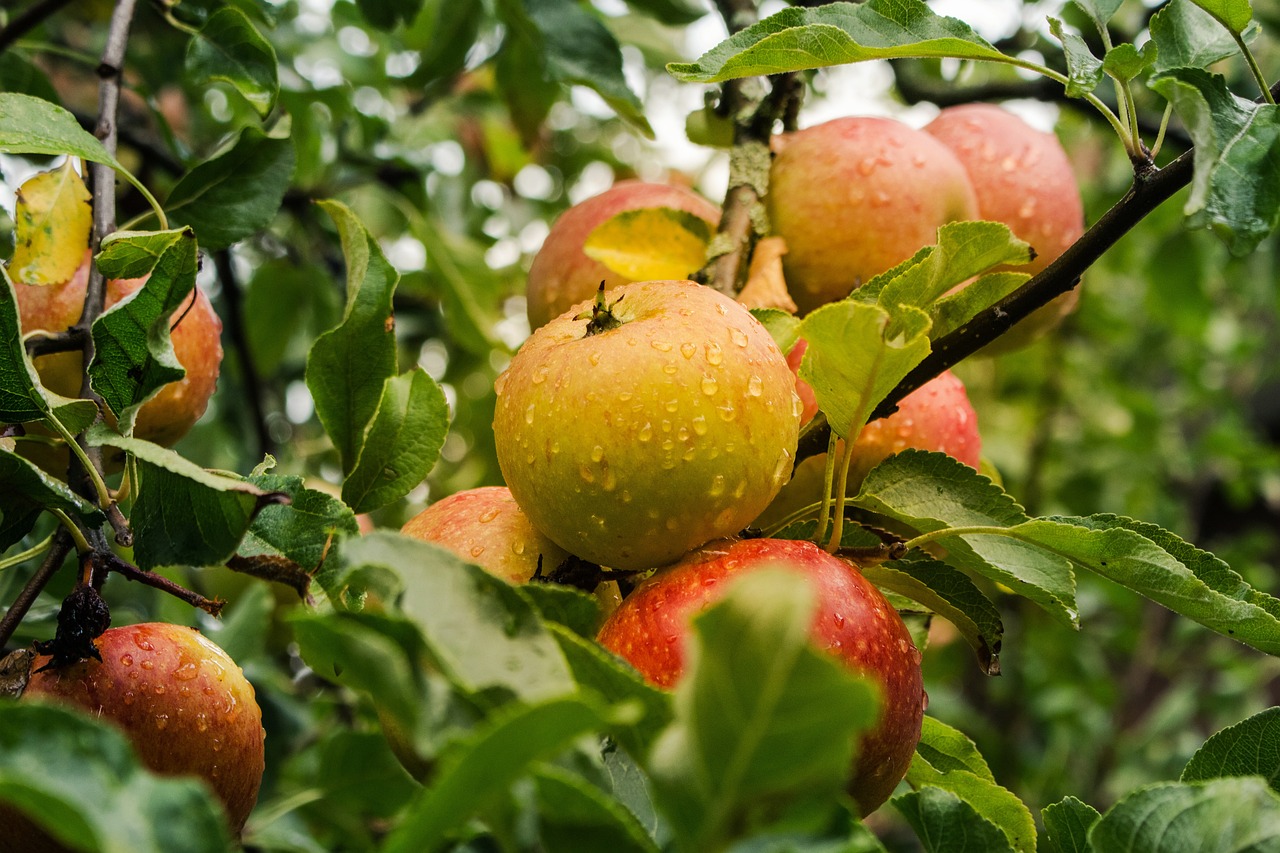
Image by Michael Strobel from Pixabay

Then came the increasing influence of German immigrants who brought with them an enthusiasm for beer. Barley grew well in the US. It was a quicker and cheaper crop, too, and recovered more easily when it occasionally fell victim to the whim of the temperance movement. Apple trees began to decline, beer surged, and apple cider became the drink of the backward-thinking country bumpkin.

That’s probably why, during the presidential campaign season of 1840, a Democratic newspaper insulted the Whig challenger to the Democrat incumbent Martin Van Buren by stating that you could “give [William Harrison] a barrel of hard cider. . .and he will sit out the remainder of his days in a log cabin by the side of his ‘sea coal’ fire, and study moral philosophy.”

The insult turned out to be a pretty big misstep because the US was in the midst of an economic depression that had occurred under the watch and policies of Van Buren and his Democrat predecessor Andrew Jackson. People were stressed and were perhaps feeling nostalgic for better days, even longing for a return of the hard cider they’d previously dismissed.

I mean, the man might have been a little hoity-toity, but he was as American as hard apple cider. Albert Gallatin, Public domain, via Wikimedia Commons

Harrison, who’d been raised as a wealthy and well educated Virginian with a pedigree every bit as hoity-toity as Van Buren’s, embraced hard cider which paired well with his reputation as a western hero of the War of 1812. Yes, it was maybe a little disingenuous, but when life hands you apples, you make hard cider.

That’s what we’ve decided to do this fall at the Angleton house. Shortly after moving into our current suburban home more than ten years ago, we planted three apple trees, of different varieties. One started producing a pretty good harvest the first year or two. The others took a little longer, but now all three are going strong and we are drowning in apples.

This is not a terrible problem to have. We share a lot of them with friends, family, neighbors, and food banks. With the rest, we get creative. Over the years we have canned applesauce, made apple butter, baked pies and cakes and muffins and doughnuts. Our apples have been the star of salads, hors d’oeuvres, main dishes, and snacks. The only thing we hadn’t done was make cider because we didn’t think we had the right kind of apples to make it work.

But then we found a stovetop recipe that isn’t too picky and it turned out really well. The next logical step then was to try our hand at fermenting it, because it felt like just the kind of thing nostalgic Americans should do.

If you didn’t know better, you might almost think we know what we’re doing.

Turns out it’s not that difficult. It does require some precision and care and a bit of patience. Our first batch isn’t quite through its initial fermentation yet, but as best as we can judge from all our recently obtained YouTube expertise, it’s coming along nicely so far.

Hard cider worked out for Harrison, too. He defeated Van Buren in an electoral college landslide, becoming the oldest person ever elected to the office (a record that has definitely been broken since) as well as the first to lay claim to a campaign slogan.

His success didn’t last, however, because after delivering the longest ever inaugural address (a record he does still hold), in the cold, without even stopping to take to his bed, he developed pneumonia and just a month later, became the first US president to die in office, after the shortest term ever served.

I do hope we have better luck with our hard cider.

How Do You Like Them Apples?

It was in 1902 that journalist Kate Masterson, writing for the New York Times, solidified an American symbol and expressed perhaps an over-zealous appreciation for America’s favorite dessert. In response to a British writer’s assertion that one shouldn’t indulge in apple pie more than twice a week, which is probably pretty good dietary advice, Masterson called that pace of pie-eating “utterly insufficient.”

She went on to write that “Pie is the American synonym of prosperity. . .Pie is the food of the heroic. No pie-eating people can be permanently vanquished.”

Mmm. Heroism is delicious. Image by Pam Carter from Pixabay

That’s a lot of confidence to put into pie, but to be fair, there really is nothing more American than apple pie. Except, that is, for pretty much anything that is actually uniquely American, or even originally American, which pie is not. For that matter, neither are apples.

There’s only one species of apple that is native to North America. That’s the inedible crab apple, from which Johnny Appleseed liked to make hard cider, but otherwise mostly just makes a mess of suburban lawns. The sweeter varieties that are great for pies come originally from Asia from which they made their way to pie-loving Europe, and then into the early days of the American colonies.

Colonists loved planting apple trees and it wasn’t long before there were thousands of varieties growing, with apple trees on nearly every homestead. When America’s first cookbook, American Cookery, was published in 1796, American housewives could find two different recipes for apple pie among its pages.

There are definitely worse problems to have. Image by S. Hermann & F. Richter from Pixabay

And they must have used them well because twenty-four years after Masterson extolled the heroic pie, the phrase “as American as apple pie,” began to show up as an expression of the ideals of American motherhood, wholesomeness, and comfort. When American soldiers headed off to World War II, one of their battle cries became fighting for mom and apple pie.

And why not? In a way I suppose it’s fitting. Much of the culture of the American people didn’t originate in North America, either, but is blended together from influences from all over the world into one big, unique pie, with admittedly quite a few different takes on the original one or two recipes.

I’m grateful for that and also for all the literal apple recipes for pies and cobblers and sauces and breads and apple butter and yes, more pie. Like the colonists that came before us, my family planted apple trees not long after we moved into our house. Two of the trees produce a couple dozen lovely sweet apples every year. The third tree produces somewhere in the neighborhood of ten thousand.

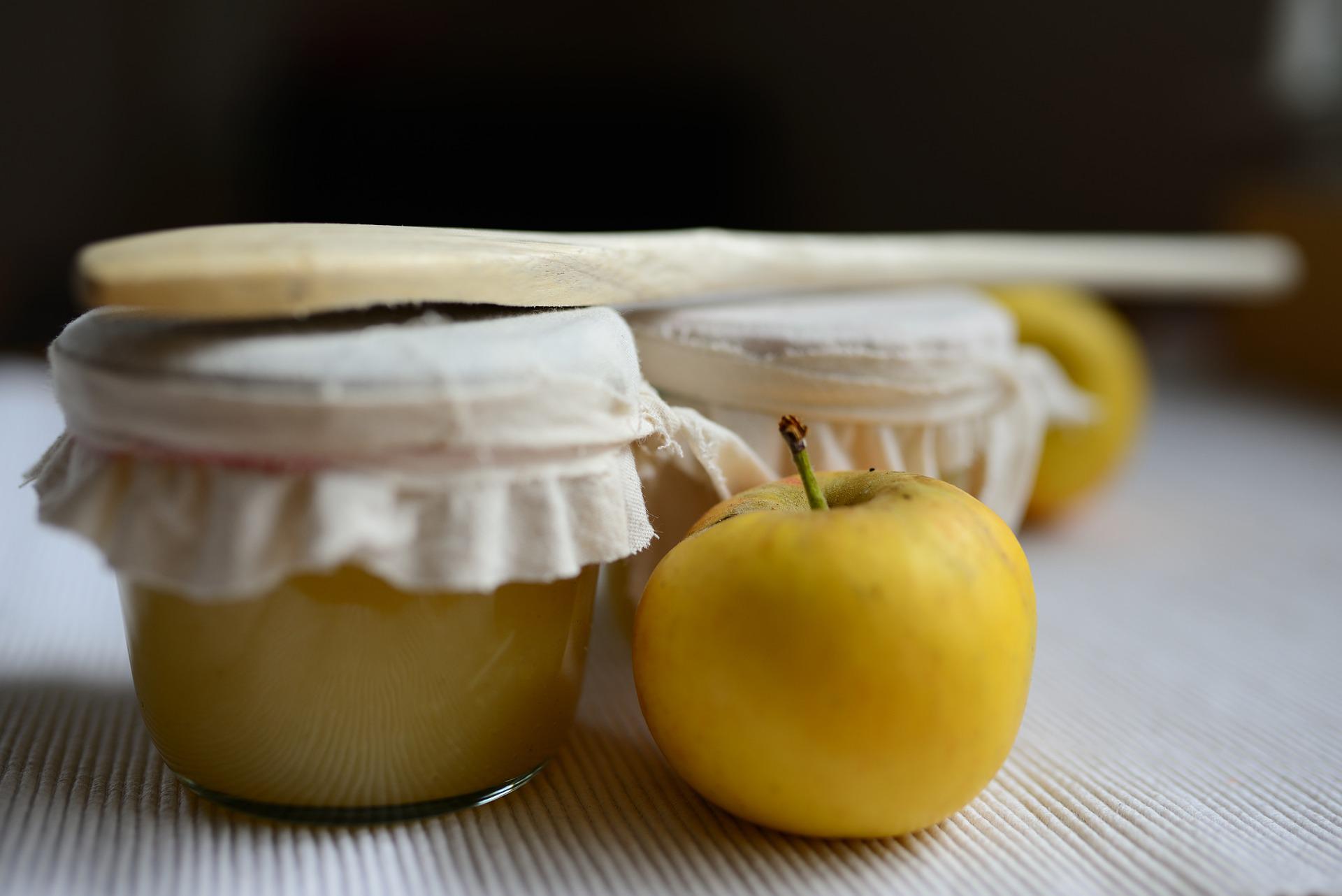
We might even have a jar or two of applesauce left from two years ago, but ours are not this pretty. Image by congerdesign from Pixabay

That might be a slight exaggeration, but you get the idea. We’ve given away apples, welcomed friends to come pick apples, canned applesauce to put on a shelf with last year’s canned applesauce we haven’t gotten to yet, and made our share of pies.

I like apples, and apple pie, but we kind of have it coming out of our ears. I guess maybe that’s a sign of prosperity and heroism and immunity to permanent vanquishment. I don’t know. But I do think that at least during apple season, Masterson was probably right to say that pie only two times a week is utterly insufficient.

Hey also, if you happen to know any great apple recipes, please feel free to put them in the comments. Thanks!