Chocolate, Vinegar, and Ashes

And another hint! As we slide down the backside of February we draw ever closer to a new historical mystery. Ten more weeks until publication! Public Domain, via the Missouri History Museum.

We’ve finally made it to the half-way point of February, which has the nerve to include an extra day this year. I realize if you live in the Southern Hemisphere, this milestone is not a huge cause of celebration for you, but if like me, you are located in the Northern Hemisphere, February is the last great stronghold of dreaded winter, and you know, it hasn’t really been that bad, at least not in my little corner of the world.

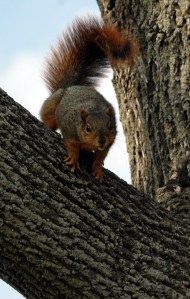
That’s probably because it’s been busy. The month started with that famous rodent prognosticator Punxsutawney Phil failing to see his shadow, allegedly a sign that spring is not a long six weeks away, but is in fact right around the corner in just a quick six weeks or so. 

Then last Sunday, the Kansas City Chiefs won the Superbowl, which was a big deal here in the Great State of Missouri, and I guess also for fans of Taylor Swift. In case you are not familiar with Midwestern geography, Kansas City is located in both Kansas and Missouri. The Chiefs represent the latter. And in case you have been fortunate enough to escape the hoopla, Taylor Swift is dating a Chief, so she’s been at a lot of the games, including this one, over which there was much ado made.
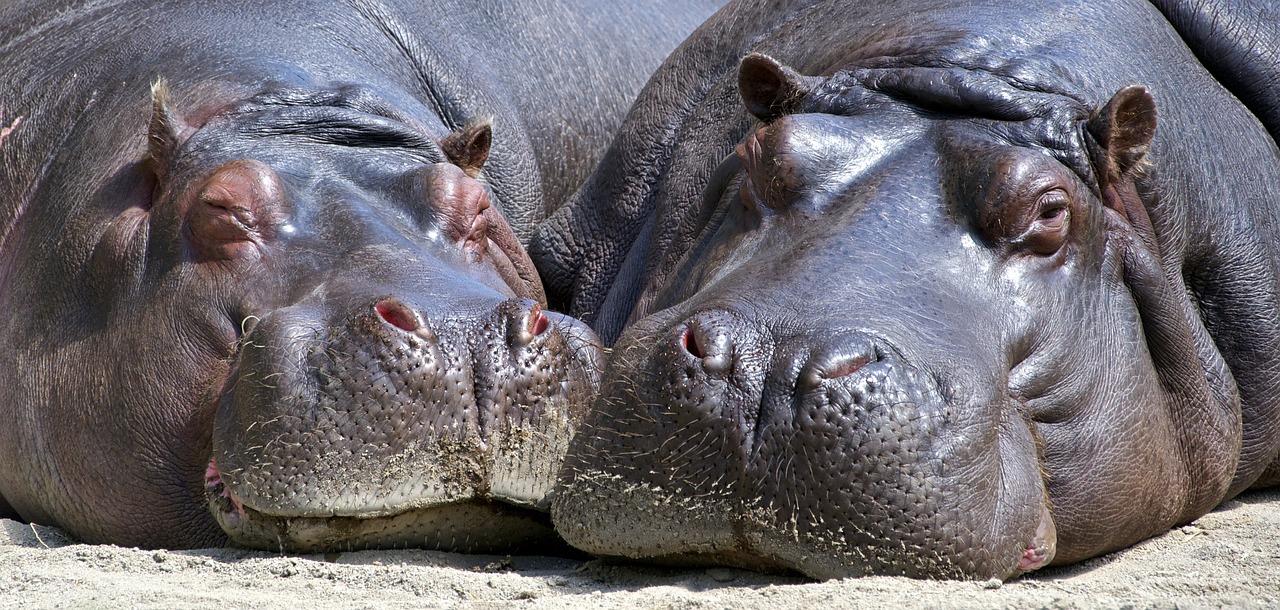
If you want to keep the good times rolling, apparently today (February 15) is World Hippo Day. Image by Don Orchard from Pixabay

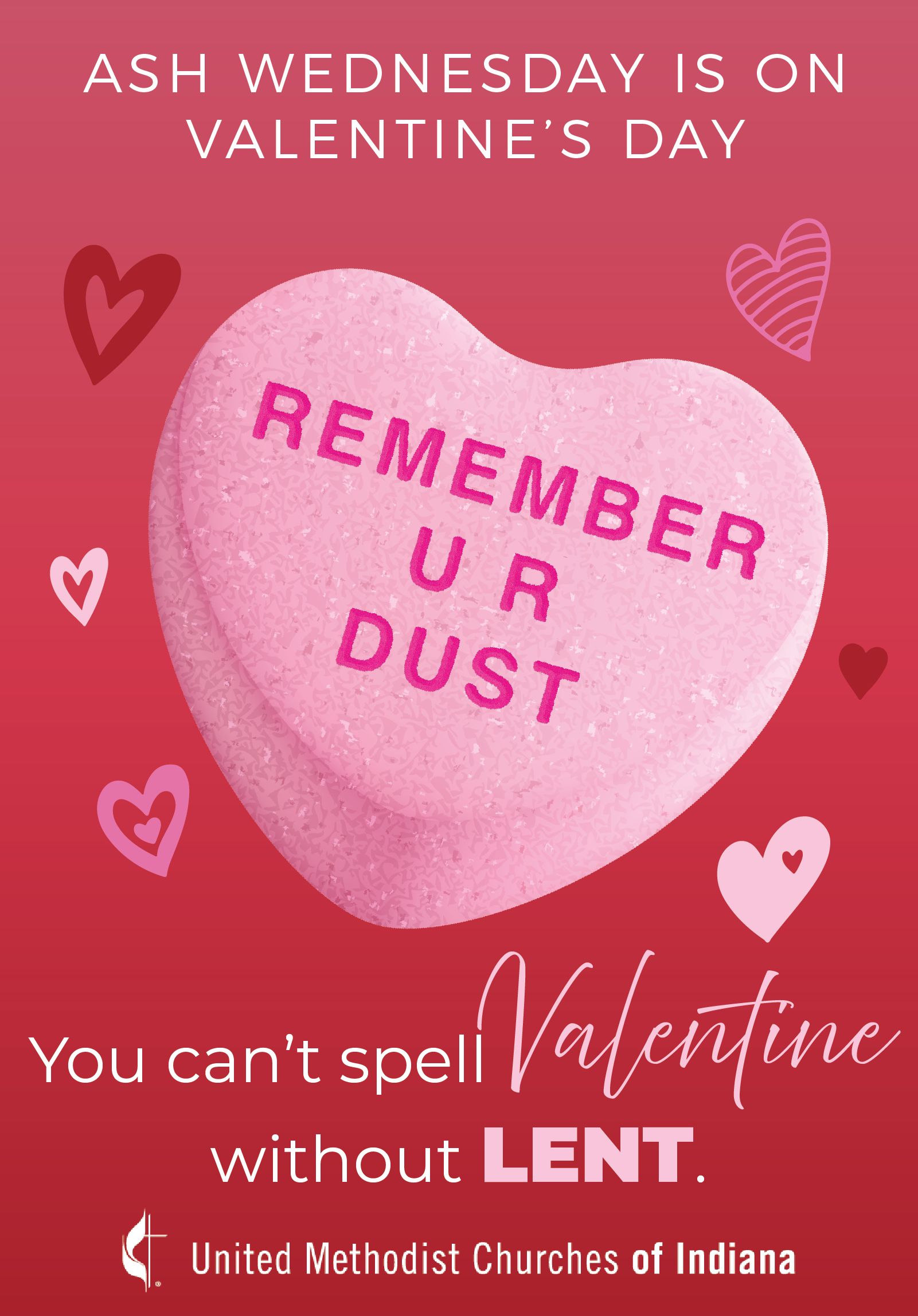
Then came Pancake Day, followed by Ash Wednesday, which this year fell on Valentine’s Day, a holiday that celebrates chocolate and overpriced roses (both sharply discounted today, in case you forgot).

Of course Valentine’s Day isn’t so special for everyone. It can be a tough day if everyone else seems to have a special someone and you don’t. But it could also be worse, because it turns out people knew how to be mean to one another even before the invention of the internet.
Valentine’s Day has been celebrated in some capacity as a day of love since the early 15th century, but card makers didn’t get in on the action until about 1840. That’s when mass produced Valentines hit the market, and when they did, not all of them were nice. Sure, you could find a beautifully constructed card with a sweet romantic poem on the inside and address it to your sweetheart, but on the shelf next to it, you might just find what came to be known as a vinegar Valentine.

These were more cheaply made, tended to feature grotesque drawings and included rude suggestions and insults. If that wasn’t bad enough, they also went through the mail anonymously with postage to be paid by the recipient. At the height of their popularity millions of such sour Valentine’s greetings were sold in both the US and England, and in the mid-19th century, they made up about half of the Valentine’s Day card market. 
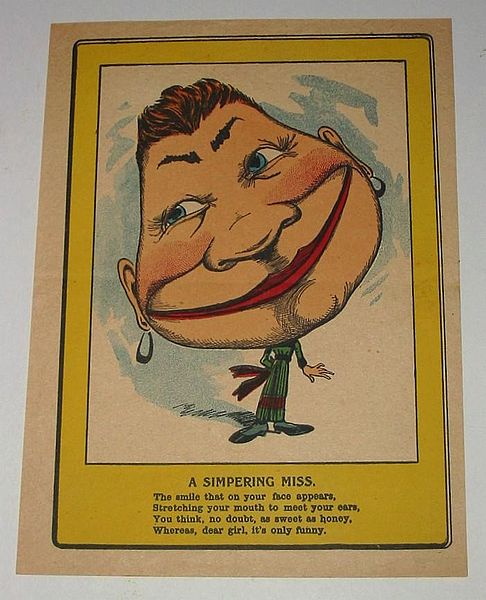
Public Domain, via Wikimedia Commons

What isn’t entirely known is whether a large percentage of these might have been viewed as friendly jokes, but what is true is that it’s harder to find well preserved examples of them than it is their sickeningly lovey-dovey counterparts. That could be because they tended to be cheaper and made of flimsy materials. Or it could be that people didn’t feel particularly compelled to hang onto the insults.

Thankfully, it’s not as common to find an insulting Valentine’s card today because as a species, humans have evolved past the point of sending anonymous hate through the mail. Instead we create false social media profiles and spew it on the internet. As God intended.

Anyway, I hope you had a good February 14th, free of vinegary insults, and that you got from it what you hoped—to eat chocolate and feel loved or to don ashes and reflect on the weight of sin and death. Or both. Either way, the end of February is in sight. And I don’t think it’s really going to be that bad.

Tree-Tapping Squirrels and Ooey, Gooey Deliciousness

In 1557, French cartographer André Thévet published Les Singularitez de la France Antarctique, an account containing a number of tales of the New World, gathered from men who’d been there. One of those men was Jacques Cartier, today credited with establishing a foothold for France in North America, laying claim to the country he named Canada, and for possibly being the first European to discover the ooey, gooey, deliciousness of maple syrup.

cartier
Jacques Cartier, dreaming of drinking maple syrup. By Theophile Hamel – Library and Archives Canada, Public Domain, via Wikimedia Commons

Well, it might not have been in an ooey, gooey form, but evidently Cartier relayed the tale to Thévet of a tree resembling a large European walnut that when felled, released a sugary liquid “as tasty and as delicate as any good wine from Orleans or Beaune.” Cartier’s party quickly filled several pots with the sweet sap and had they boiled it in those pots, they would have wanted some pancakes to go with it.

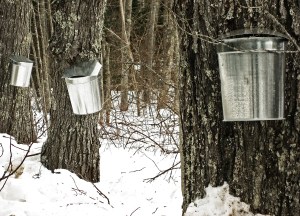
Native Americans in the area had been tapping maple trees during the Sugar Moon (the first full moon of spring) for enough years for several legends to have arisen around the practice, and North American squirrels had been doing it for even longer.

sap-collection
The squirrels may have been at it longer, but we do it better. photo credit: looseends sap season via photopin (license)

Europeans may have been late to the party, but they proved just as enthusiastic.Widely used as concentrated sugar during the 17th and 18th centuries, at around the time of the American Civil War, maple sap was largely replaced as a sweetener in American cooking by imported cane sugar. And so ooey, gooey, delicious syrup became the maple product of choice for most people (and probably squirrels).

It makes a good glaze for salmon or adds a lovely sweetness to barbecue sauce. It’s great in salad dressings, with bacon, or drizzled over nuts. And according to Yale-trained chemical engineer Edward Cusslerawarded a 2005 prestigious (sort of) Ig Nobel prize for his super science-y studyyou can even swim in it. But the best thing to do with it is to pour it over a big stack of soft, fluffy, warm, and buttery pancakes.

That’s just what my family will be doing next Tuesday. While some people may be donning masks, throwing beads, or eating cakes with a plastic baby trinket baked inside, we’ll be marking Shrove Tuesday with the traditional pancakes, smothered in ooey, gooey, syrupy deliciousness.

squirrel
Clearly up to no good. photo credit: kennethkonica “Didn’t you see the STAY AWAY sign?” via photopin (license)

Chances are, that deliciousness will come from trees in Canada, which produces about 75% of the world’s supply of maple syrup. And fortunately, they’re not going to run out anytime soon, thanks to the Global Strategic Maple Syrup Reserve, which is a real thing. Despite a notable robbery in 2012 in which 1000 tons of syrup vanished (I have to assume wily squirrels were somehow involved) and was only partially recovered, the reserve holds more than 12,000 tons of syrup in three separate warehouses throughout Quebec.

That’s probably just a little more than Cartier’s men gathered all those years ago. Now, the reserve is also a little controversial, because it’s essentially a cartel designed to control the Canadian syrup market and maintain higher prices. But it also means that if there’s a bad year for maples, my family can still observe Shrove Tuesday in style, with a big stack of soft, fluffy, warm, and buttery pancakes, smothered in ooey, gooey, syrupy deliciousness.